
The Wildcat would be the US Navy’s best front-line fighter from the start of the War until early 1943.
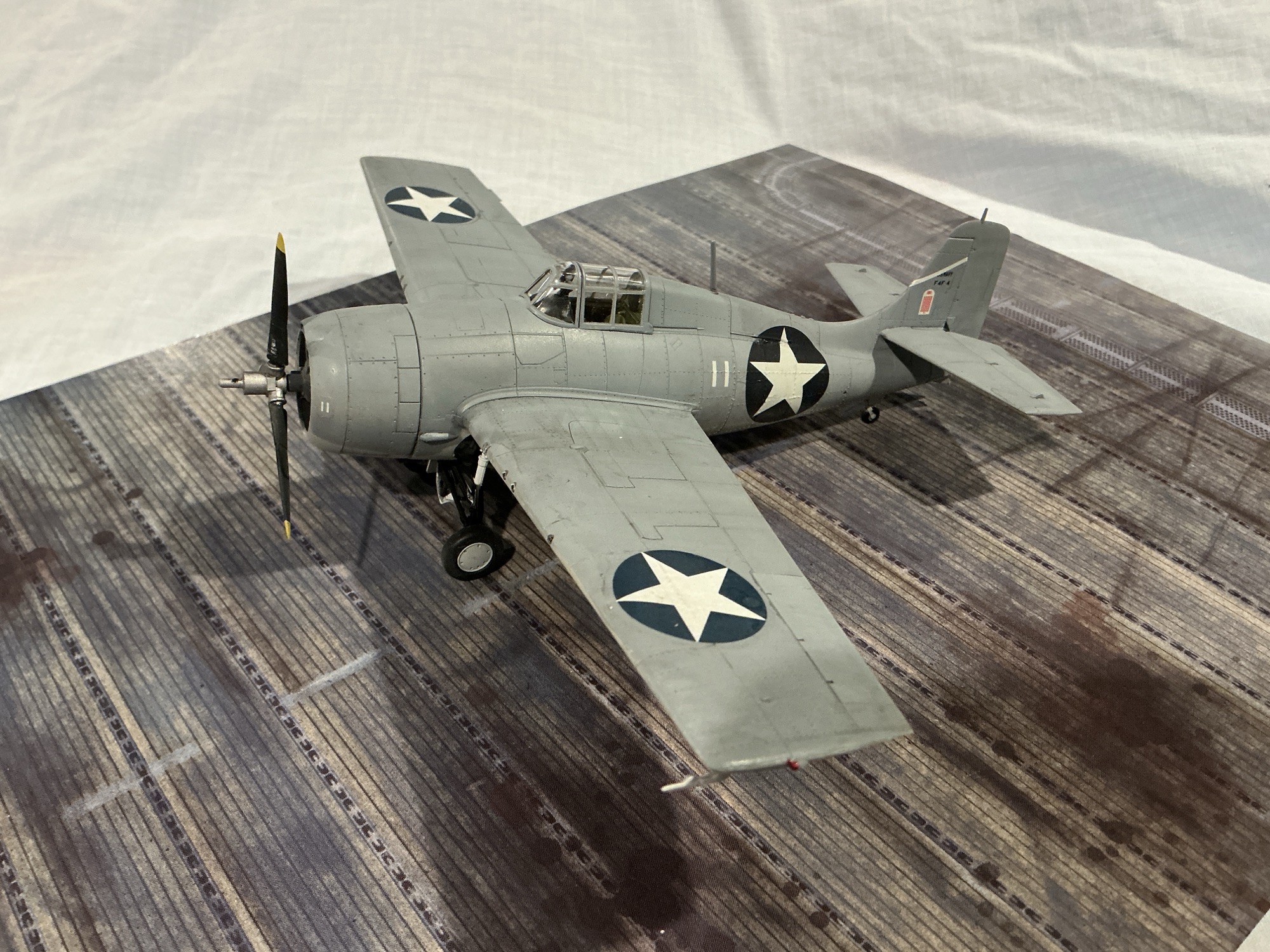
Let’s take a quick look at an example from the first Allied offensive in the Pacific.
Continue readingThe Wildcat would be the US Navy’s best front-line fighter from the start of the War until early 1943.
Let’s take a quick look at an example from the first Allied offensive in the Pacific.
Continue readingObviously a favorite type of mine, this time we’ll look mostly at origins and early use.
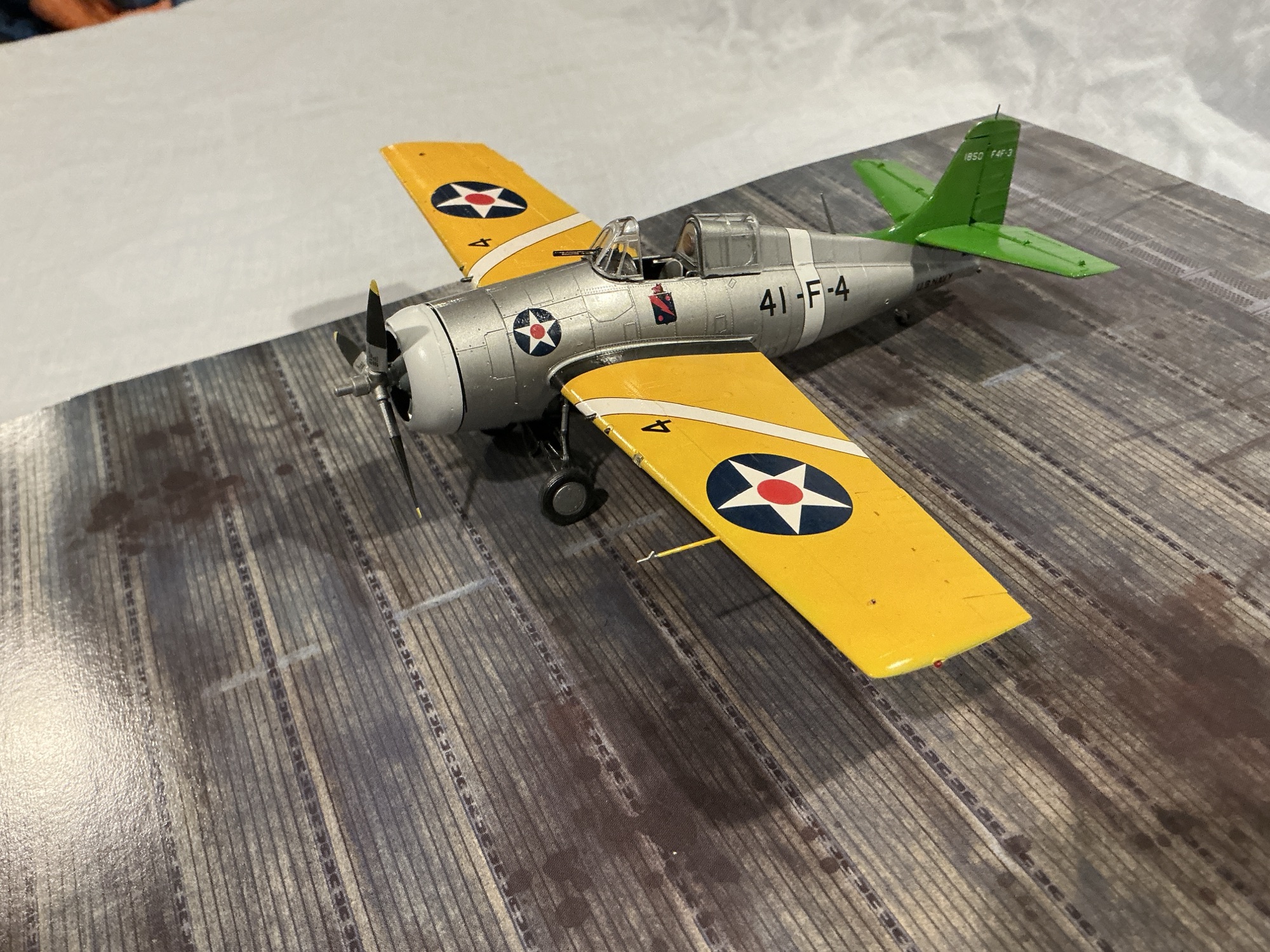
Join me for a quick look at the first production model of the well known naval fighter.
Continue readingThe Douglass TBD is one of those types synonymous with the painful start to the US’ war effort in the Pacific War, and is often reviled as painfully obsolete.
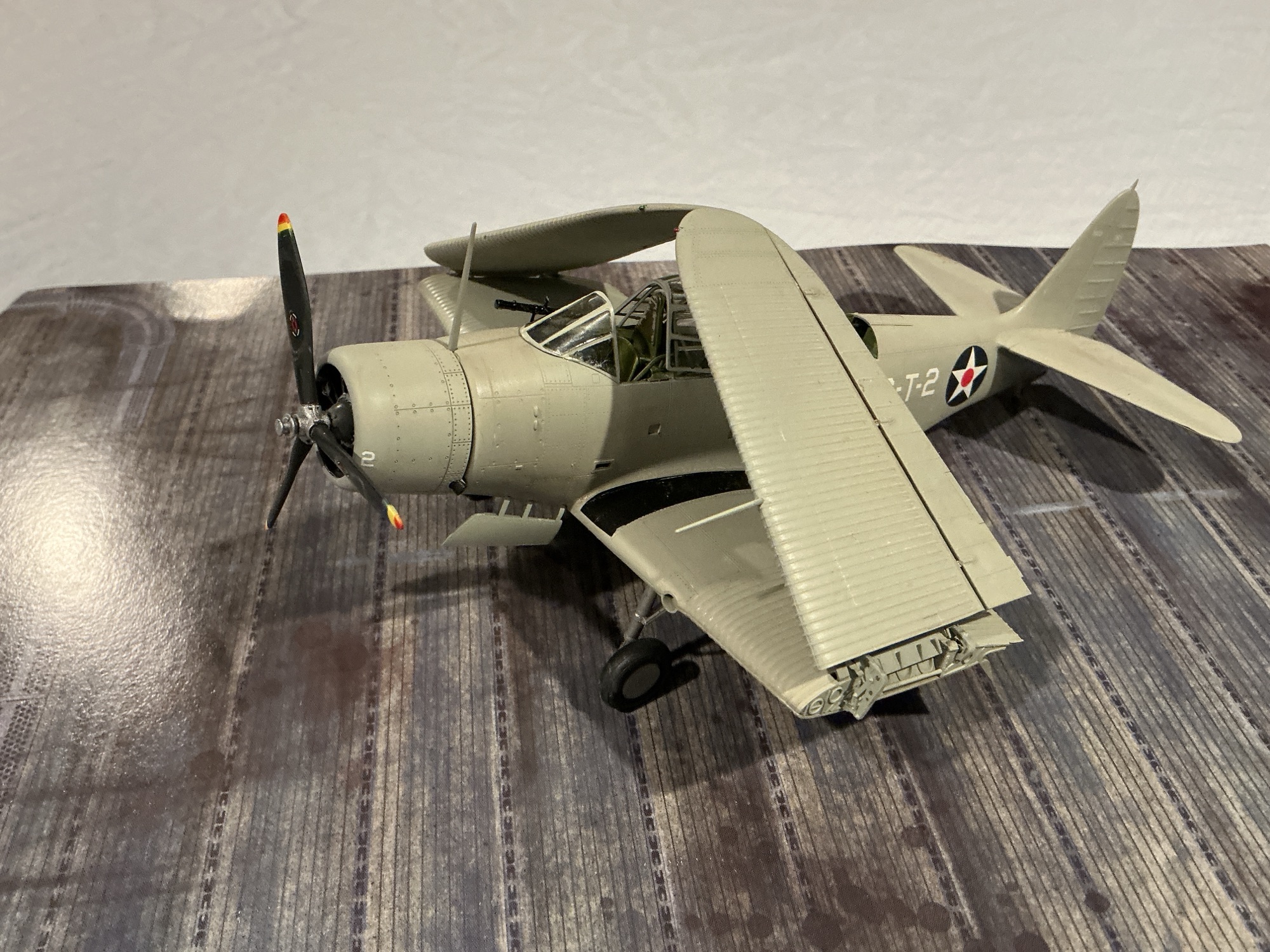
Of course, like many such examples, there’s more to the story than that. Let’s take a look at an example from just before the US entered the War.
Continue reading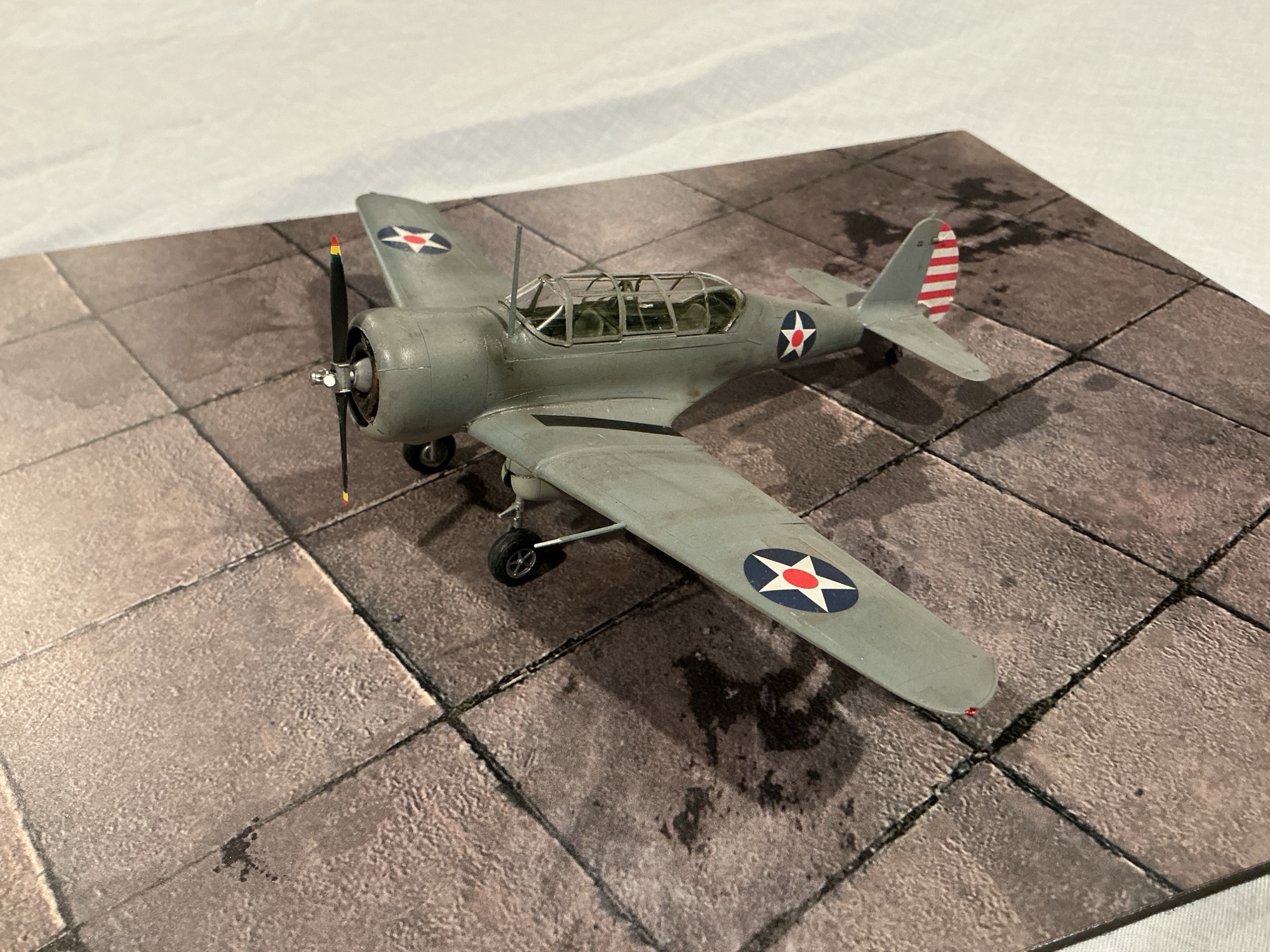
Another lesser known type, the SNC was one of a number of modern types produced in the early 1940s as technology was changing rapidly and the need for this new tech was extremely high with the World exploding into War.
Continue readingThe Westland Whirlwind may be a type many aircraft and World War II enthusiasts are “familiar” with, but few of us know much about it. I’d put myself in that category, really until I worked on this model.

Let’s take a look at a familiar, if not exactly well known aircraft.
Continue readingGrumman’s little F3F was the US Navy’s front-line fighter into 1940.
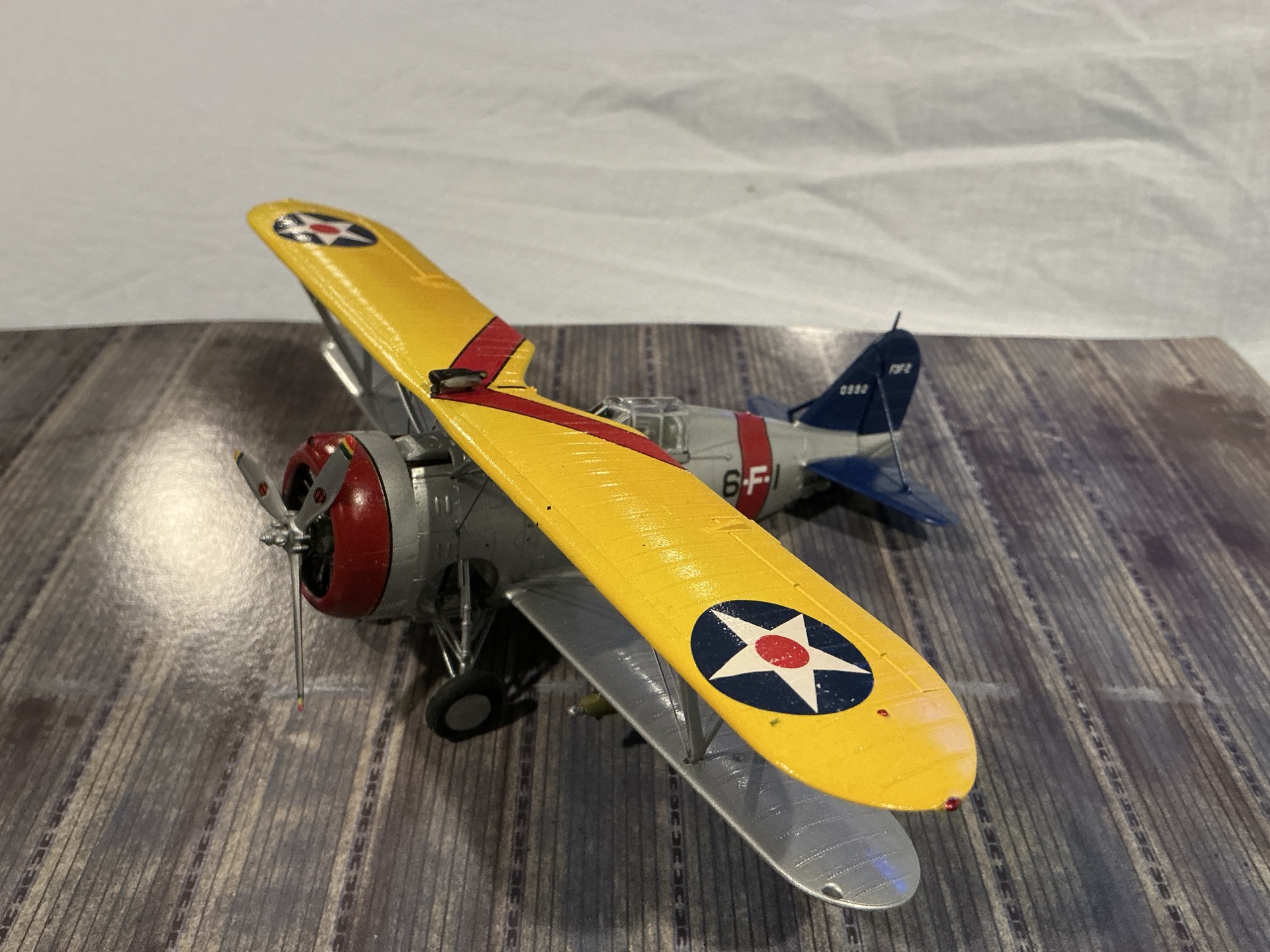
Let’s take a look at one that served abord the Navy’s most famous aircraft carrier.
Continue readingDefinitely a lesser known type, yet the Fairey Fulmar was in fairly wide service in the early to mid years of the War.
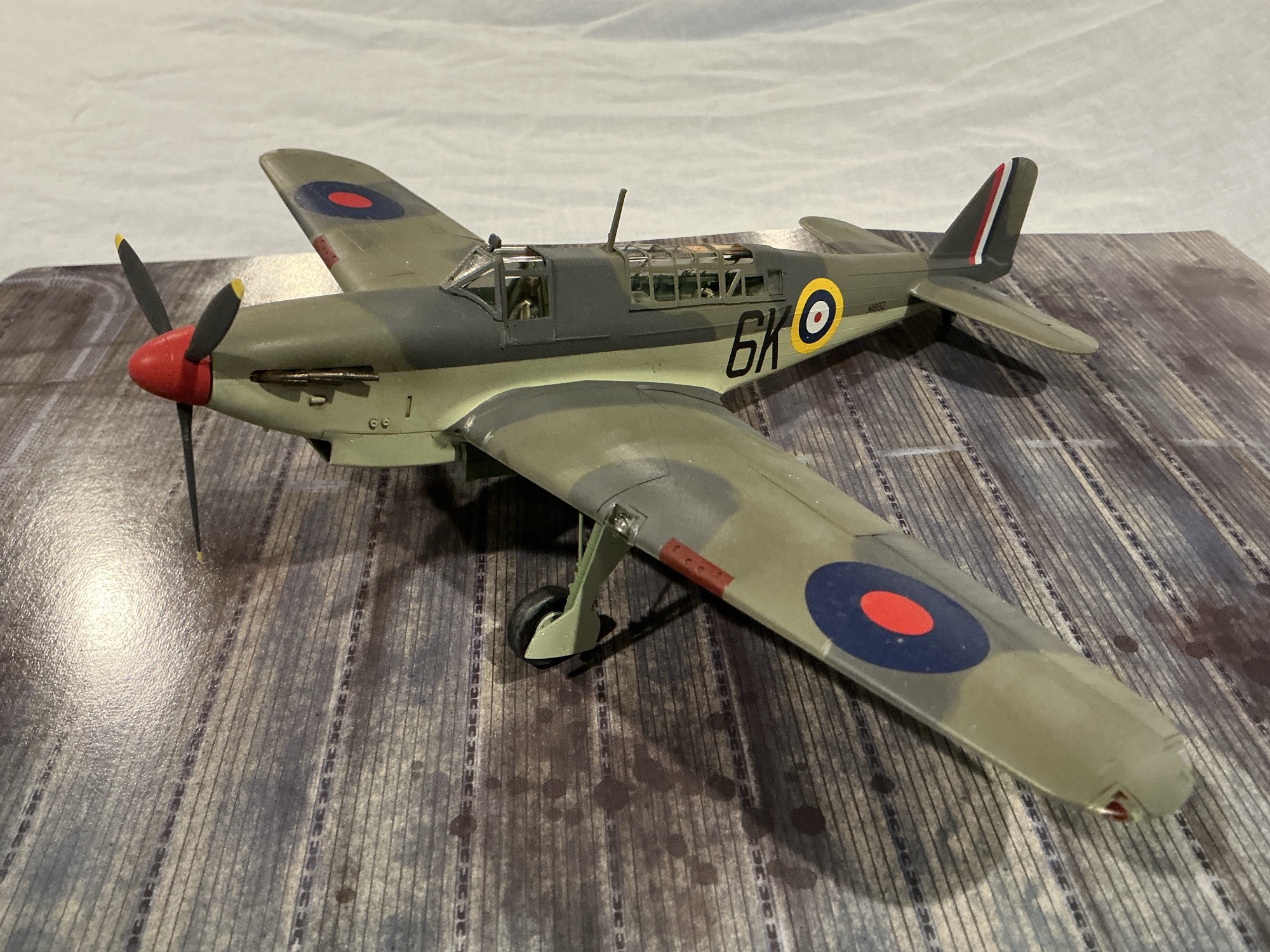
Let’s take a quick look.
Continue readingUSS Enterprise (CV-6)
Easily the best known aircraft carrier of World War II, and the name is even better known thanks to a certain sci-fi television series. Why did the Enterprise become so synonymous with US carrier aviation?
Known as “The Big E” or “The Grey Ghost” (due to the Japanese claim to have sunk her three times), the Enterprise was the most decorated ship in the US Navy. Which is perhaps not surprising since it was among a small number of ships in service from the start of the War to the end. Of seven US carriers in service at the start, only three survived to the end. One of these, USS Ranger had been converted to a training ship; but Ranger’s combat had all come in the Atlantic. So that means only Enterprise and Saratoga survived among Pacific Fleet carriers. And curiously, through luck and circumstance, the Enterprise had been present at every carrier battle except The Battle of Coral Sea (the first carrier battle, May 1942). While the Saratoga had missed every carrier battle but one, The Battle of the Eastern Solomons (August, 1942).
Over the course of that substantial combat record Enterprise amassed 20 Battle Stars (the most of any US warship). Her guns and aircraft destroyed 911 enemy planes and sank 71 ships.
The Panther Tank belongs on any short list of the most important tanks of World War II. And while, in some senses it was truly a brilliantly engineered Armored Fighting Vehicle, it came with some significant downsides.

Let’s take a look at a well known medium tank.
Continue reading | Spuddling 003… on About This Site |
| Just Goofing Around… on Grumman F4F-4 Wildcat | |
| Grumman F4F-3 Wildca… on Grumman F3F-2 | |
 | atcDave on Cessna OA-37B Dragonfly |
 | Michael Greene on Cessna OA-37B Dragonfly |
 | GP on Douglass TBD-1 Devastator |
 | Pierre Lagacé on Douglass TBD-1 Devastator |
| atcDave on Douglass TBD-1 Devastator |
| Plane Dave is back!… on Douglass TBD-1 Devastator | |
| Pierre Lagacé on Douglass TBD-1 Devastator |
| atcDave on Curtiss-Wright SNC-1 Falcon |
 | tinkll on Curtiss-Wright SNC-1 Falcon |
| atcDave on Lockheed P-38F Lightning |
 | Edwin on Lockheed P-38F Lightning |
| atcDave on North American F-6A Musta… |

 Plane Dave