
This late war Japanese fighter was a match for late war allied types.

After the jump, a look at a very dangerous Japanese Army Fighter. Continue reading
This late war Japanese fighter was a match for late war allied types.
After the jump, a look at a very dangerous Japanese Army Fighter. Continue reading
The P-40 carried a wide range of colorful unit markings, and the gaping radiator intake under the nose translated into many of them being mouth or head themed designs.
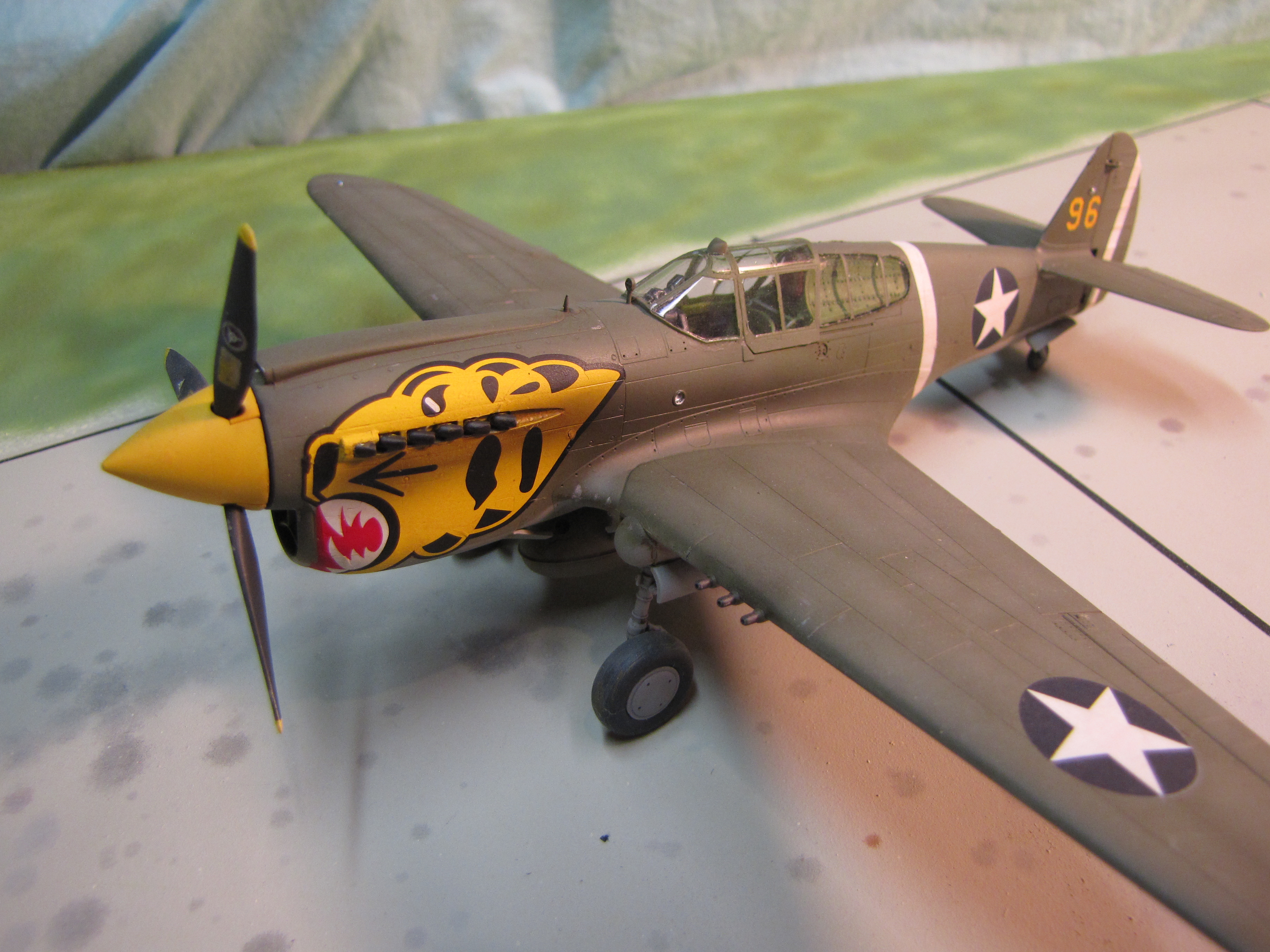
After the jump, a look at the lesser known Flying Tigers. Continue reading
One of the very best Soviet fighters of the war, the La-7 was the last and best of a series of wartime designs from Lavochkin.

After the jump, a look at one of the War’s great fighters. Continue reading
So much has been written about Pearl Harbor, its easily one of the most docummented events of the Second World War. A couple years back Alan Zimm wrote this book to provide a statistical and analytical look at the attack, especially the Japanese plan and organization.
He offered “A startling new analysis of the conflagaration at Pearl Harbor, from the Japanese point of the view”. After the jump, my brief look at his book and findings. Continue reading
Paper Tanks!
World War II was a total investment for all of the major players. That meant industry and resources deployed beyond 100%. That also meant innovation and creativity on an epic scale.

This week a look at one such example. Continue reading
The Eastern Front of World War II saw a constant spiral of increasing tank sizes, gun sizes and armor thickness. The largest allied tank to actually see widespread service during the war years, the IS-2 was built to be a Tiger killer.
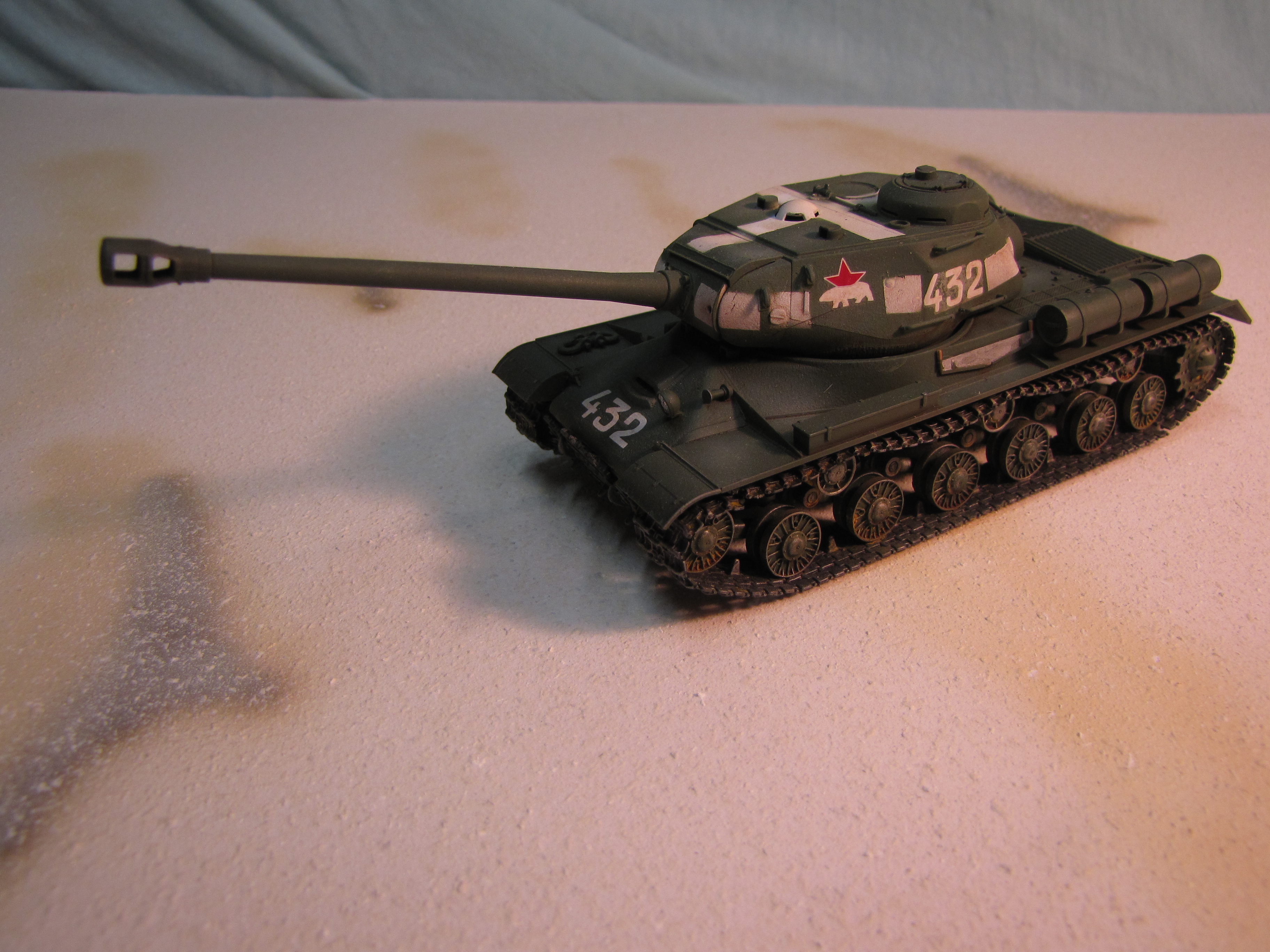
Join me for a look at this Soviet giant. Continue reading
The Japanese Army’s first generation of monoplane fighter was Nakajima’s Ki-27. This type entered service in 1937, saw extensive service in China and continued into World War II.

Join me for a brief look at a type that exemplified the Japanese design characteristic. Continue reading
As World War II came to an end new designs were still being pushed into service. Several of these came very close to seeing action and beg questions of how they would have fared.
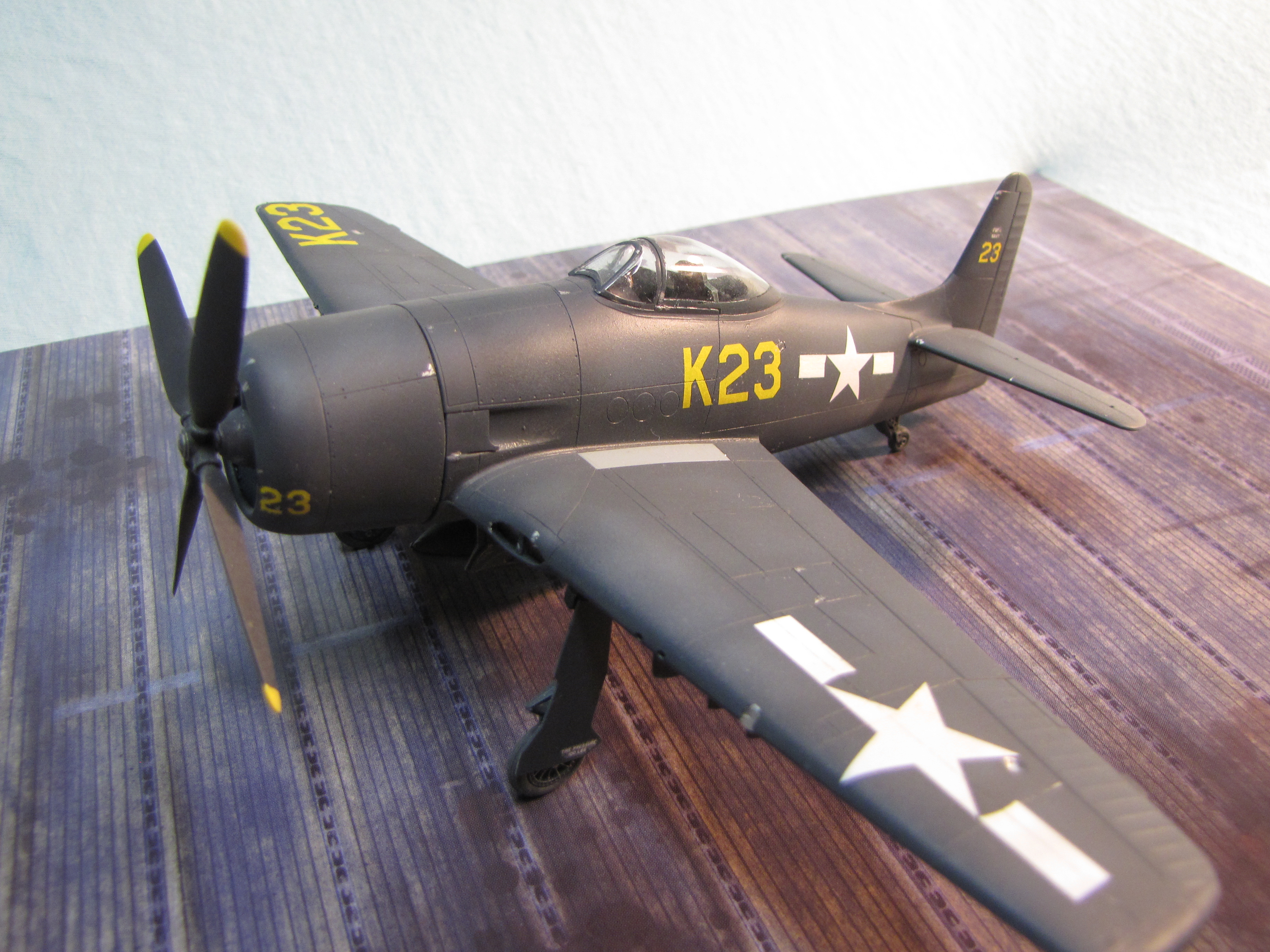
Let’s take a brief look at one Navy type that came closer than most. Continue reading
A very effective development in the Fw190 family, commonly known as the “long nose” version for its redesigned cowling, the Fw190D entered service in 1944 and served to the end of the war.

Join me for a look at this capable fighter. Continue reading
The Hurricane was most famous for its role in the Battle of Britain. But the type would continue to be improved for later service.
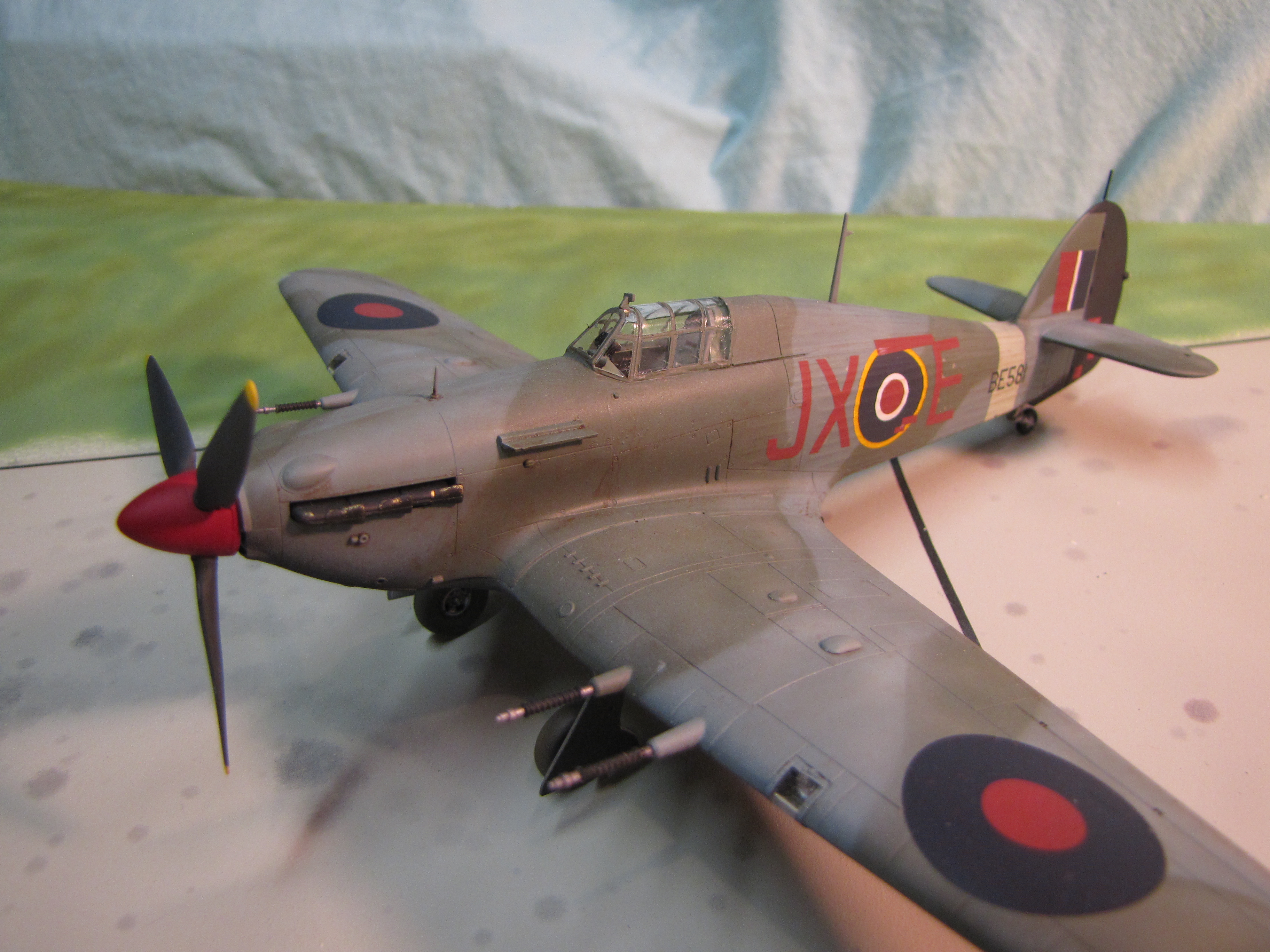
After the jump, a brief look at a later model Hurricane.
 | Spuddling 003… on About This Site |
| Just Goofing Around… on Grumman F4F-4 Wildcat | |
| Grumman F4F-3 Wildca… on Grumman F3F-2 | |
 | atcDave on Cessna OA-37B Dragonfly |
 | Michael Greene on Cessna OA-37B Dragonfly |
 | GP on Douglass TBD-1 Devastator |
 | Pierre Lagacé on Douglass TBD-1 Devastator |
| atcDave on Douglass TBD-1 Devastator |
| Plane Dave is back!… on Douglass TBD-1 Devastator | |
| Pierre Lagacé on Douglass TBD-1 Devastator |
| atcDave on Curtiss-Wright SNC-1 Falcon |
 | tinkll on Curtiss-Wright SNC-1 Falcon |
| atcDave on Lockheed P-38F Lightning |
 | Edwin on Lockheed P-38F Lightning |
| atcDave on North American F-6A Musta… |
 Plane Dave