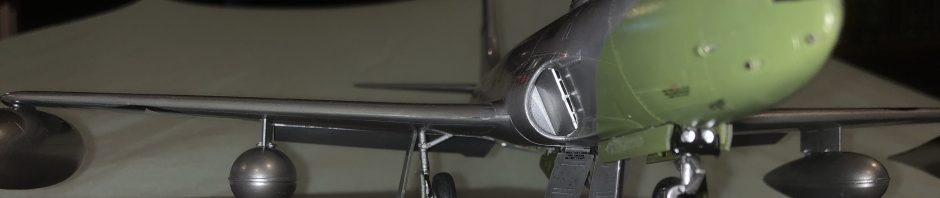
The capable Invader was among the last new types to see service during World War II.

We’ll take a quick look at one from the last summer of the War.
Continue readingThe capable Invader was among the last new types to see service during World War II.
We’ll take a quick look at one from the last summer of the War.
Continue readingThe Hellcat was well regarded for carrier service during the War.
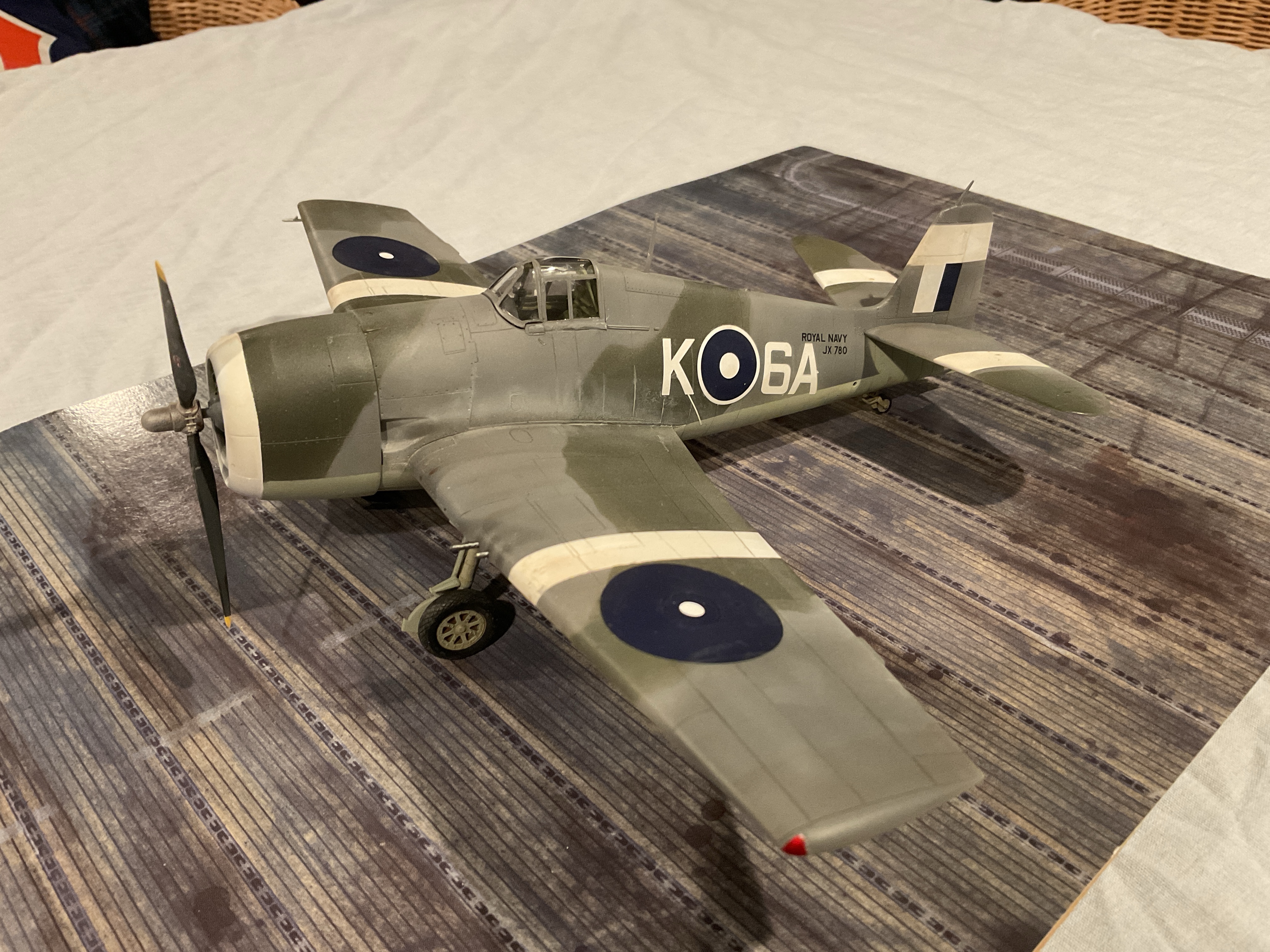
Let’s look at an example that flew for the Royal Navy.
Continue readingThis twist on the Zero hadn’t initially been planned for, but there proved to be a big need to fill.
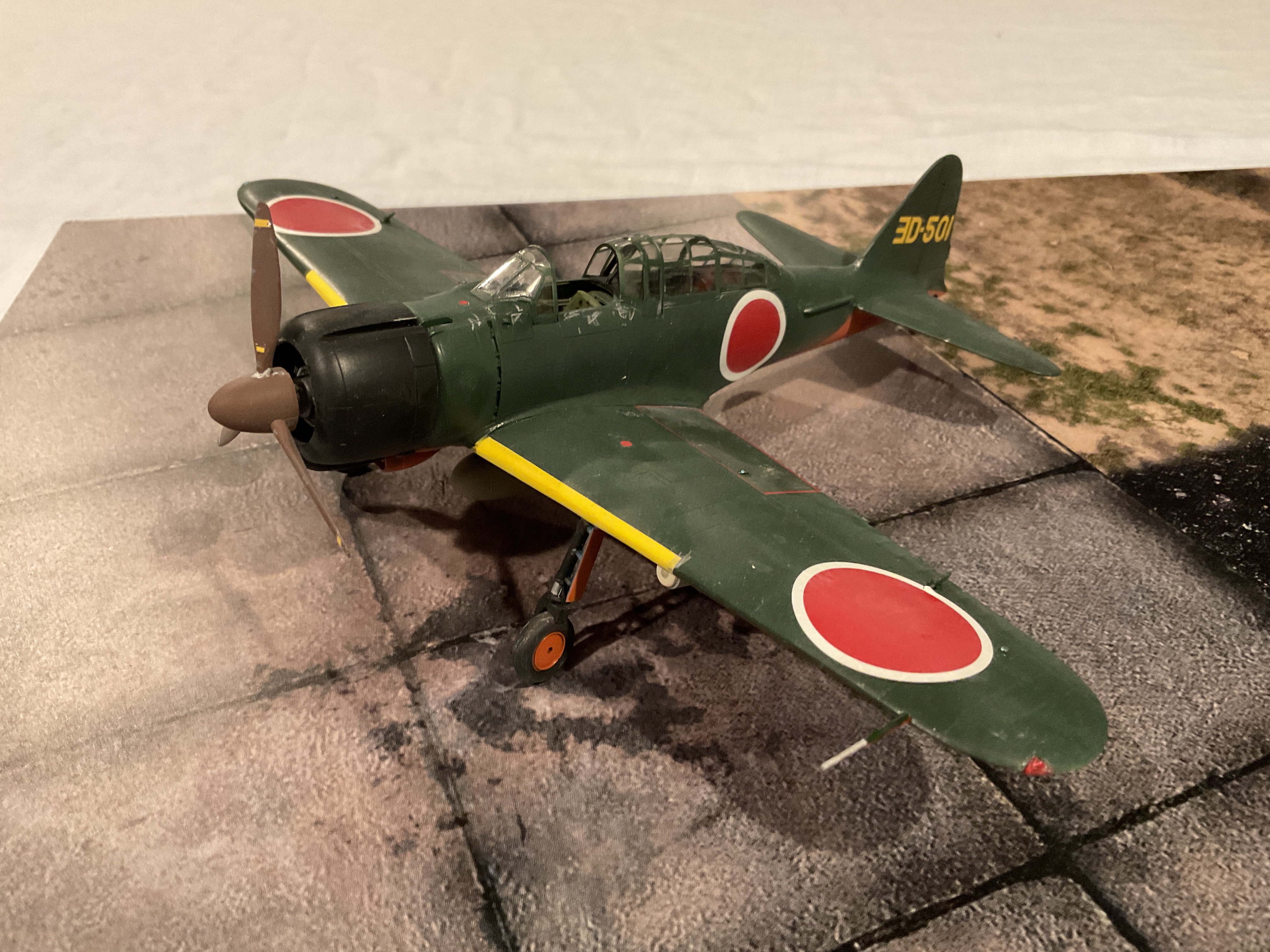
Let’s take a look at a 2-seat Zero.
Continue readingObviously a product of an earlier era. This plane was well into obsolescence when the Second World War broke out, yet it served almost to the end.
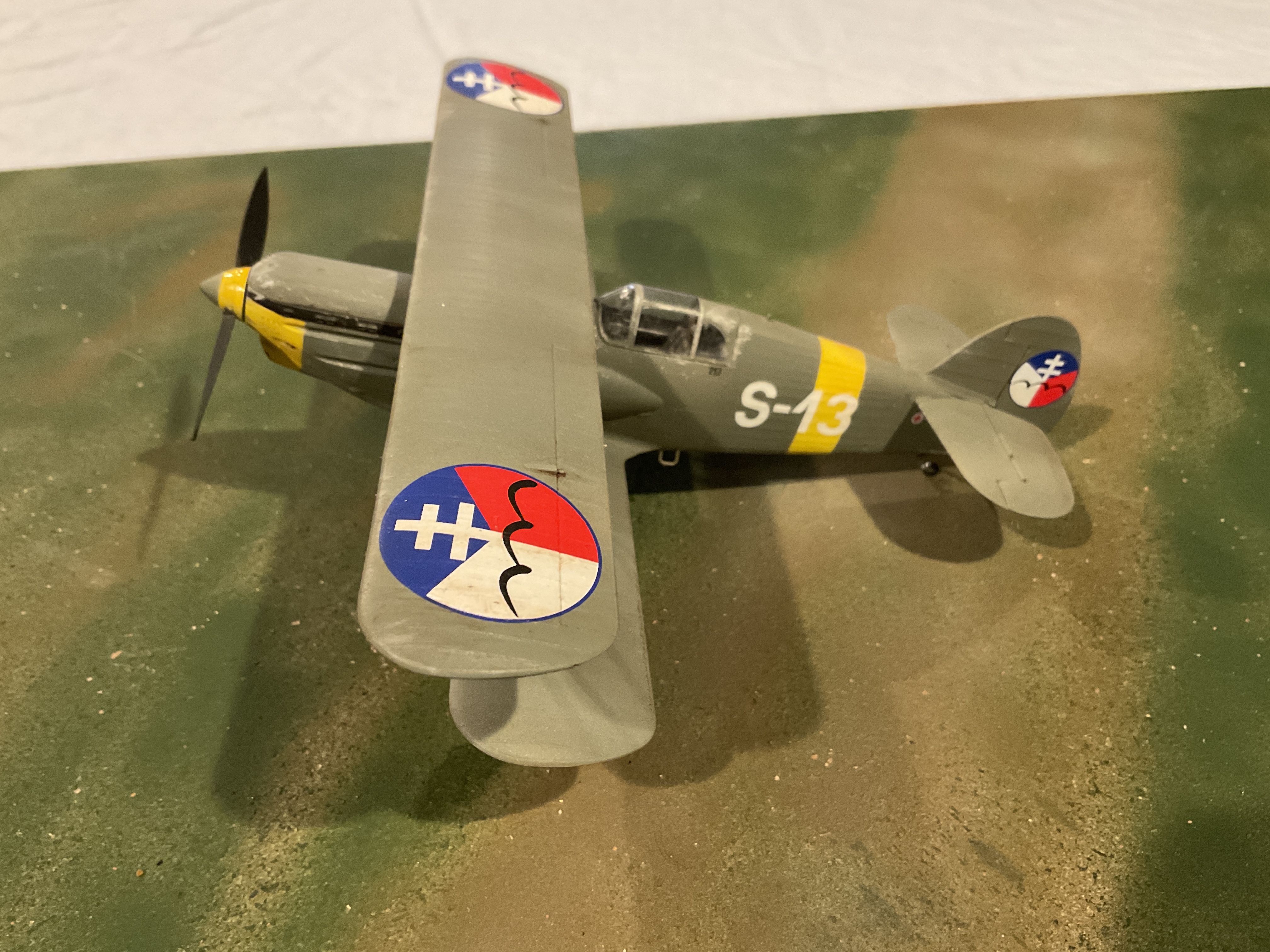
Let’s take a quick look at a minor type, that is symbol of resistance in its homeland.
Continue reading1943 was the pinnacle of German air defense. A brief period where the Luftwaffe owned the skies, and Allied bombers entered it only at extreme peril.

Let’s take a look at one colorful combatant from the period of German domination.
Continue readingCertainly one of the best known Advanced Trainers of the War.

Let’s take a quick look at a common sight at a stateside AAF base.
Continue reading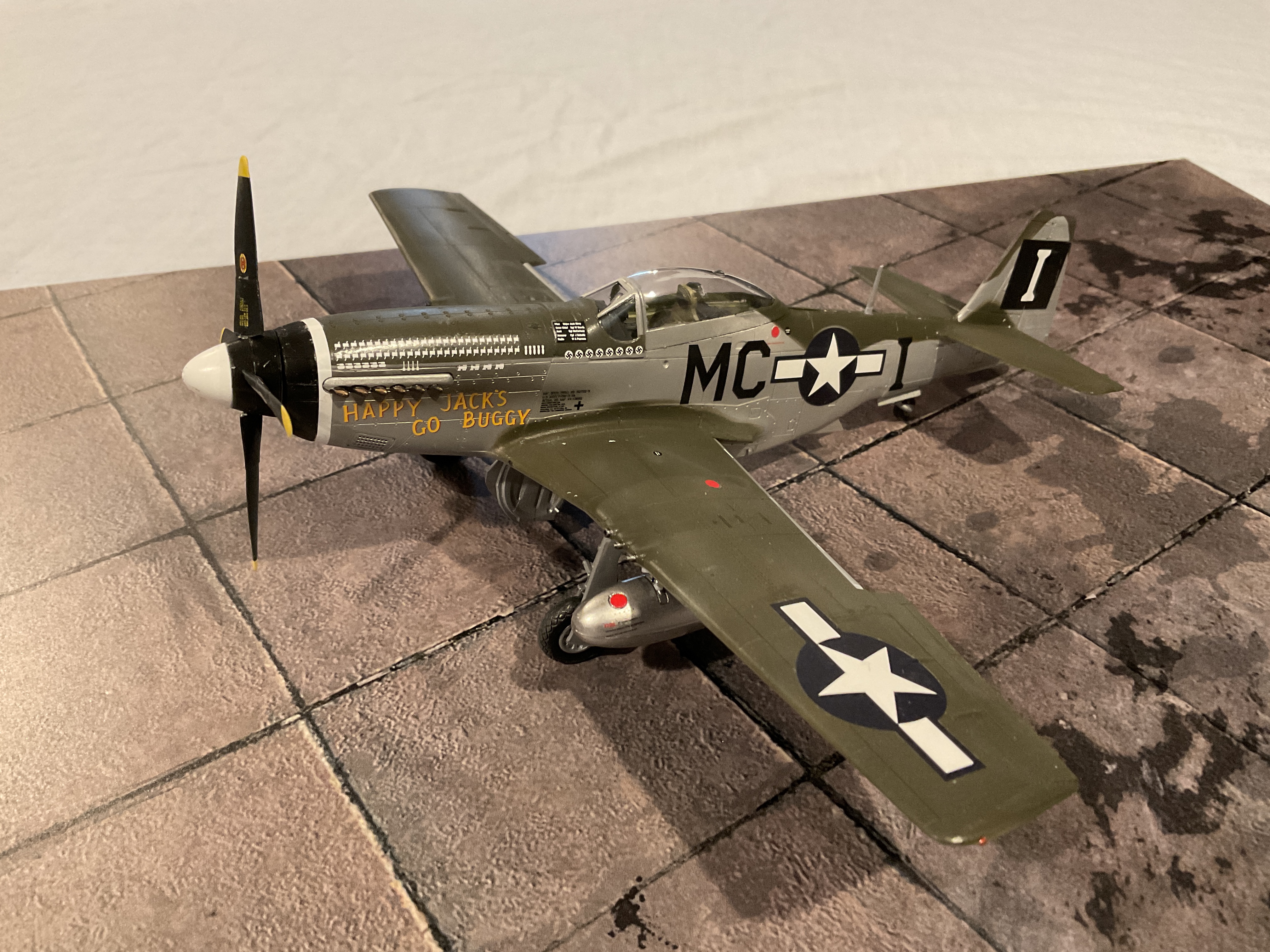
Let’s take another look at the ubiquitous symbol of 8th Fighter Command’s domination, as flown by a successful and interesting pilot.
Continue readingIt’s been a while since I’ve had anything new to share! It’s summer, we’re busy, etc. Almost makes me miss the Covid Years. Almost.
I just wanted to say, things are coming along! Time permitting, the Mustang should be done next week. I would say the Avia and Texan are both at “about the same place”. But please, no wagering on which will be done first. This knowledgeable handicapper thinks the Texan by a nose. The Avia looks to be a step ahead, but it has more complex work remaining. I think.

Trainers
Another theme I likely have little need to introduce. But you all know, I will anyway…
Every nation needed aircraft designed for training. This isn’t quite the “duh” comment that, well, that it actually is. In the early days of aviation there were no such machines, even as actual series production started. But as military aircraft increased in power and specialized capabilities it became more necessary to have specific aircraft a neophyte could acquire basic skills in.
By the time World War II started most Nation’s air arms broke this into several levels of instruction. I’ll present this by US terminology because its what I know best, but every major player did something similar.
US pilot training was broken into Primary, Basic and Advanced. Primary trainers were around 200 horsepower, had fixed (non-retractable) landing gear, fixed pitch propellers and very simple instrumentation. The Stearman is the best known US Primary trainer, deHavilland’s Moth family for the British. Primary training courses established pretty quickly who had the essential tools to be a pilot.
Basic trainers had around 400 horsepower and more sophisticated flight instruments. The most common US Basic trainer was the BT-13 Valiant, which also had a two pitch propeller and 2-Way Radio. From here, it was determined if the trainee would go to single or twin engine Advanced Training. Advanced trainers had at least 600 horsepower, and more or less modern systems all around including retractable landing gear and blind flying instruments. The Texan is the most famous US type.
For this Theme Build I will look at four advanced trainers. And to be clear, all of these are true trainers. Some of you may doubt this when you see the list! So I’m spoiling more here than I prefer to in advance, these are all two seat trainers. My four builds will be a North American AT-6, Mitsubishi A6M, Curtiss AT-9 and a Messerschmitt Me 262.
The first two are pretty simple builds, and apart from noting I have a bit of travel planned in the coming weeks, these should otherwise go quickly. The second two are a little more involved. But I expect this theme will be done by Summer’s end.
A late-War armored car saw service from 1943 to the end.

Let’s take a quick look at the Wehrmacht’s ultimate Armored Car.
Continue reading | Spuddling 003… on About This Site |
| Just Goofing Around… on Grumman F4F-4 Wildcat | |
| Grumman F4F-3 Wildca… on Grumman F3F-2 | |
 | atcDave on Cessna OA-37B Dragonfly |
 | Michael Greene on Cessna OA-37B Dragonfly |
 | GP on Douglass TBD-1 Devastator |
 | Pierre Lagacé on Douglass TBD-1 Devastator |
| atcDave on Douglass TBD-1 Devastator |
| Plane Dave is back!… on Douglass TBD-1 Devastator | |
| Pierre Lagacé on Douglass TBD-1 Devastator |
| atcDave on Curtiss-Wright SNC-1 Falcon |
 | tinkll on Curtiss-Wright SNC-1 Falcon |
| atcDave on Lockheed P-38F Lightning |
 | Edwin on Lockheed P-38F Lightning |
| atcDave on North American F-6A Musta… |
 Plane Dave