
The Panther Tank belongs on any short list of the most important tanks of World War II. And while, in some senses it was truly a brilliantly engineered Armored Fighting Vehicle, it came with some significant downsides.

Let’s take a look at a well known medium tank.
After the initial shock concerning the quality of much Soviet armor, Germany went to work on fielding tanks that should dominate any battle. The most famous product of this push was the massive Tiger and the even more massive King Tiger (or Tiger II). But the Wehrmacht recognized that the Tigers were expensive and not extremely mobile early on. So work was also started on something lighter, more affordable and practical. The best we can say is that those efforts were partly successful.
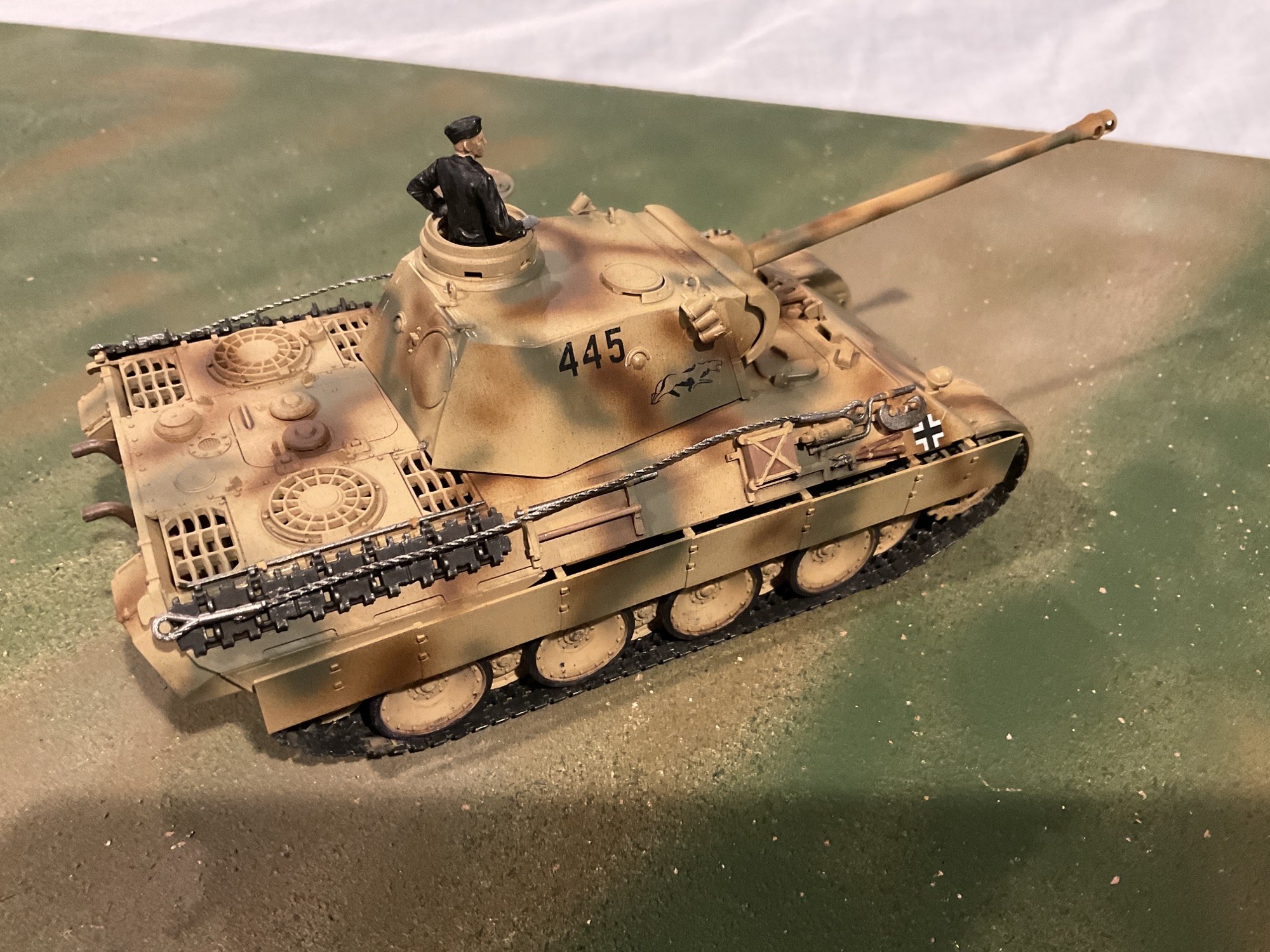
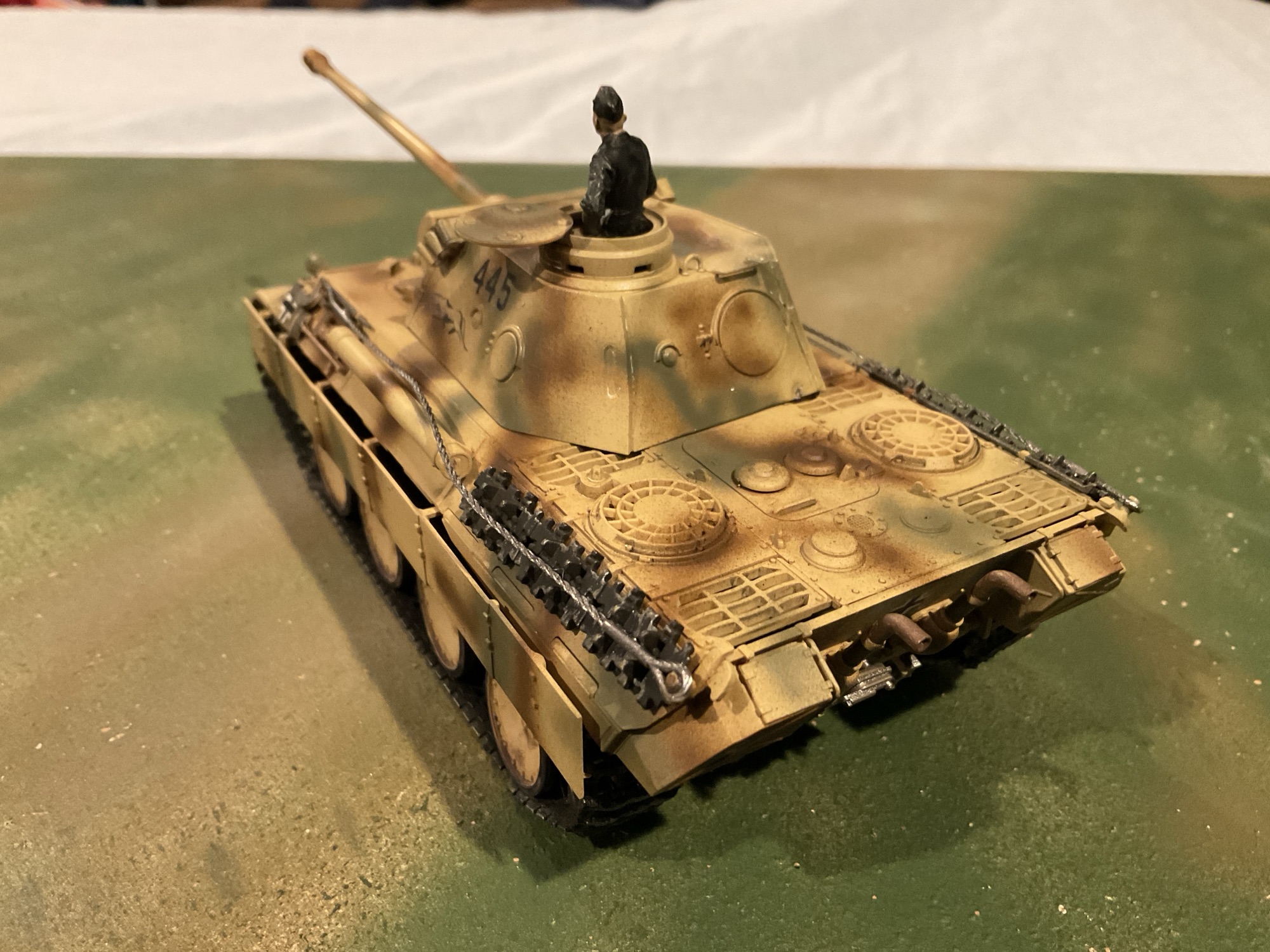
The new Panther started with the excellent L/70 75 mm anti-tank gun. German targeting optics were already the best there was, and that continued with the Panther. Add to that, high quality and thick frontal armor with well considered angles to improve its effectiveness. Driving was simple with a semi-automatic transmission (no clutching required) and independent track control that allowed pivot in place. Wide tracks made it possible to traverse loose and soft ground conditions.
Side and rear armor were much lighter to keep the weight down. But at 44 tons the Panther was a beast, far larger than what other countries were calling a “medium” tank. And this is where the Panther’s problems really started. The V-12 Maybach engine was overworked. The transmission even more so.

And the Army wanted their new tank NOW. As Soviet tactics were improving, the existing Panzer III and Panzer IV were increasingly outclassed. After the cataclysm of Stalingrad, rebuilding the Army and regaining the initiative became imperative. So Panthers were deployed as fast as possible. This wasn’t immediate as several problems were quickly apparent. The engine was prone to overheating, and failures of connecting rods and bearings. Fuel and oil leaks made fires in the engine compartment all too common. Transmission and other drive train failures were also common, this leads to particularly difficult repairs on any tank.
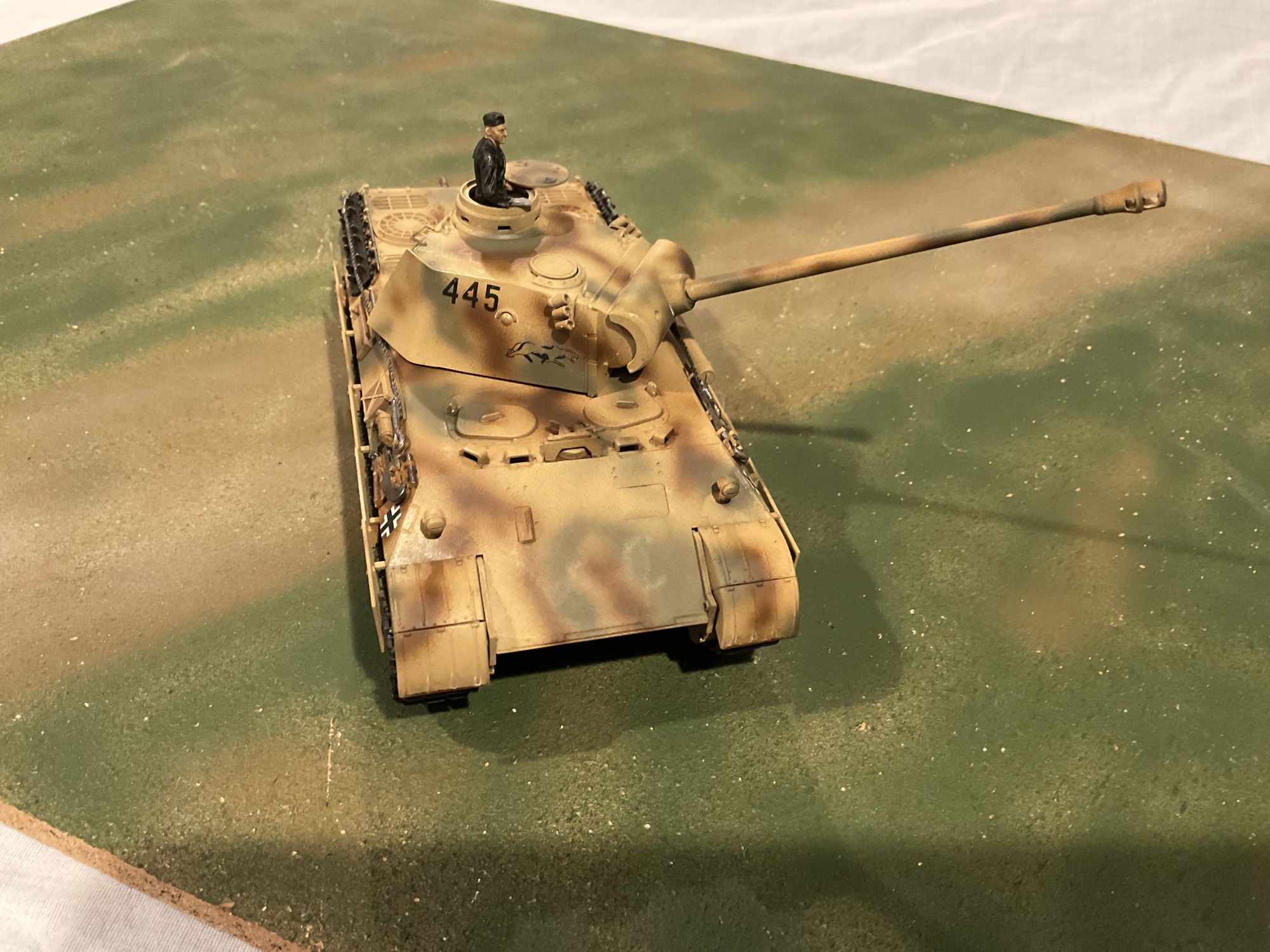
Even with thorough checks and repairs being done before tanks were shipped out, availability only gradually worked up to 37% by the end of 1943. To be clear, that is horrible. And that was the improved number at the end of the year. The big push was to get Panthers available in armored divisions for the Battle of Kursk in July of 1943. In spite of some good initial performance, nearly the entire Panther force (184 listed as available on the eve of battle, 16% functional by the end) effectively eliminated itself from contributing. To be fair, Panthers had been credited with destroying 140 Soviet tanks while they were working. The excellent main gun recorded kills at up to 2 km. One T-34 was reportedly destroyed at 3 km. Good performance from the gun, targeting and crews.
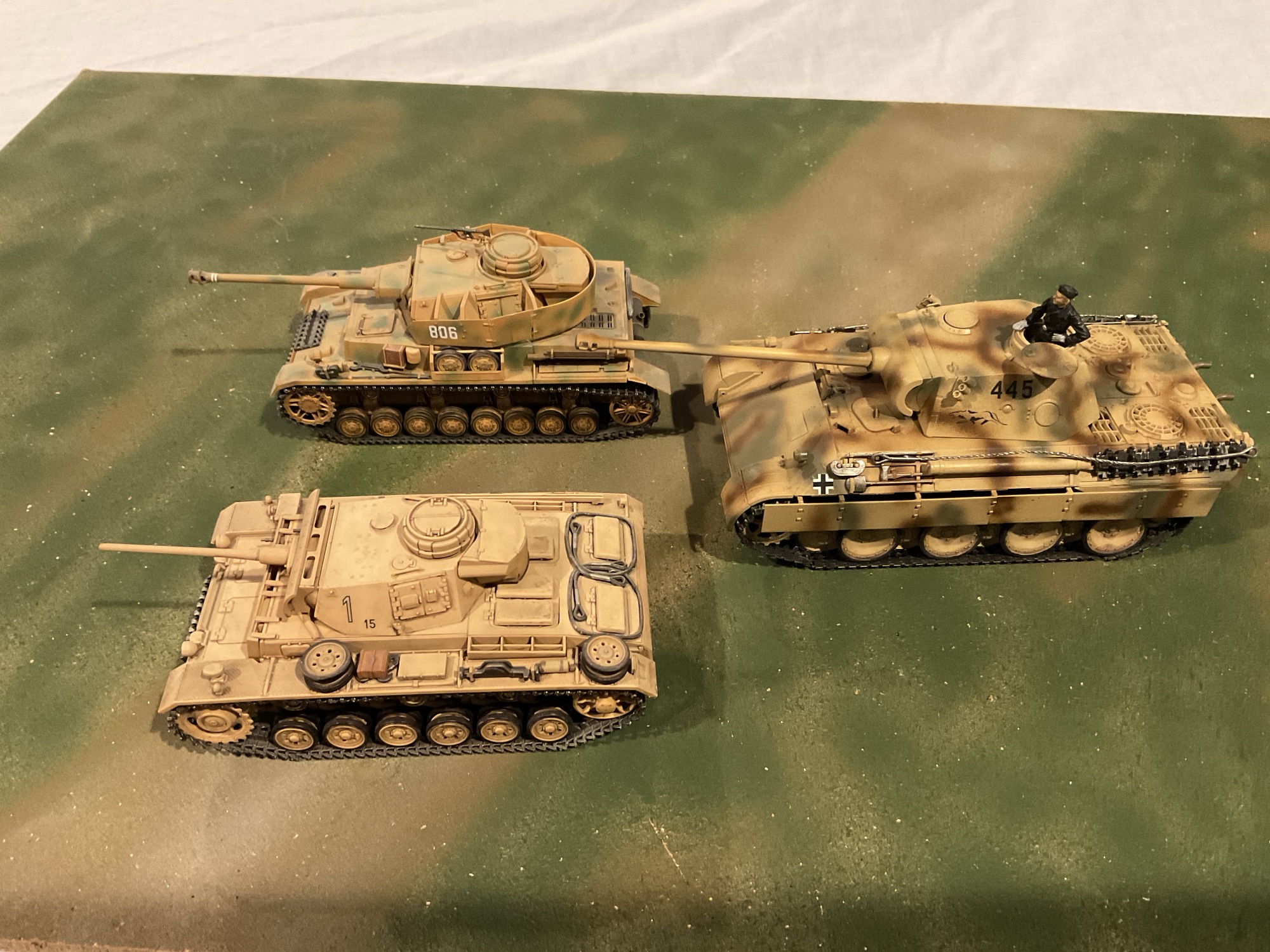
This was the performance of the “D” model, already improved from the “A” pre-production tanks. The “G” model came available at the end of 1943, and it did continue to show improvement. By the end of 1944 the Panther force could boast 54% available at any time. Still a bad enough number. It makes me think, no matter how fearsome the Panther was on the battlefield, just avoiding one until it broke strikes me as a legitimate tactic. (Apart from reality, as a wargamer that’s how I would play it).
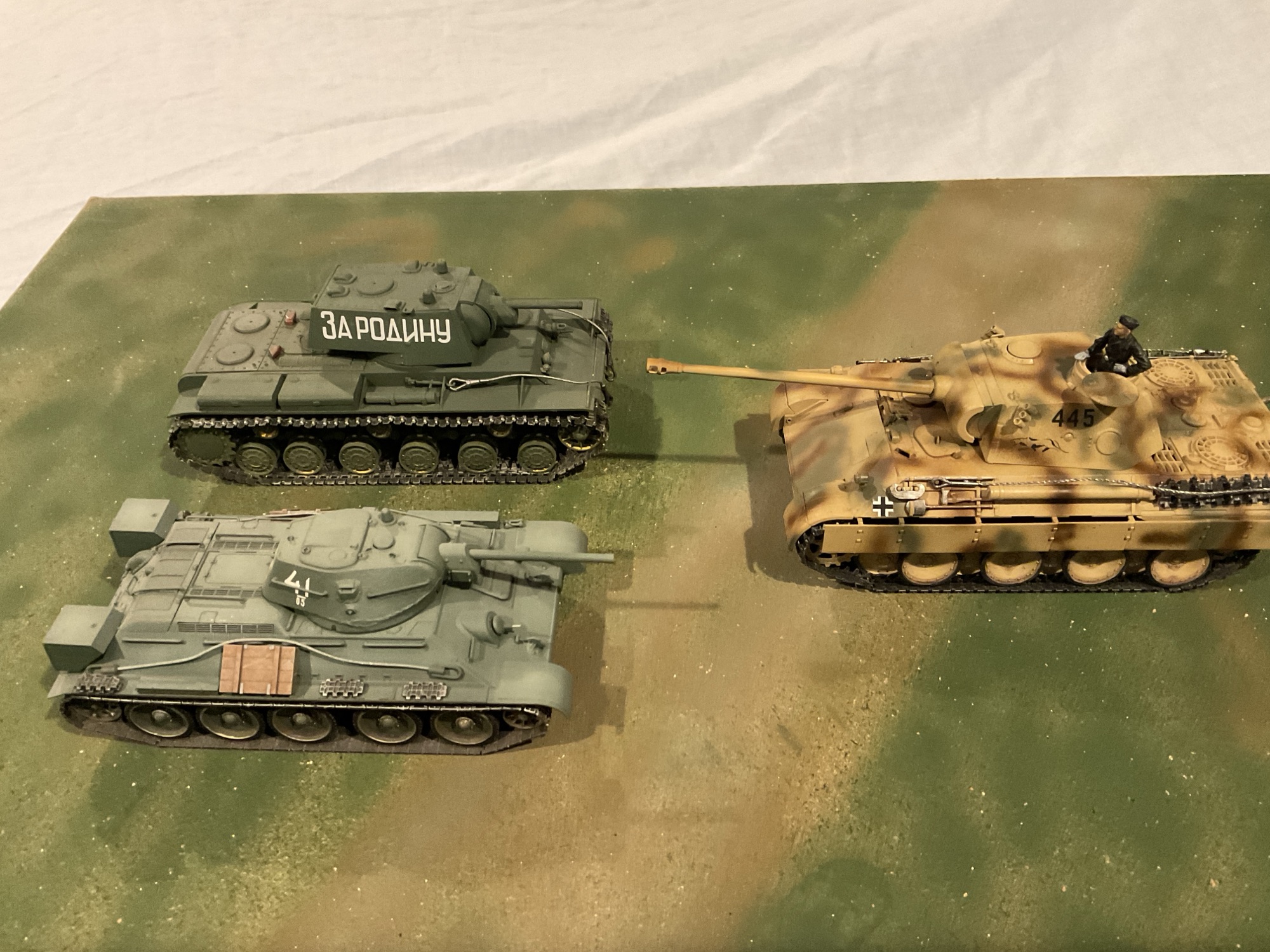
This particular tank was attached to the “Grossdeutschland” Division in the Battle of Kursk. No particular information on its performance apart from noting it was still listed as operational in August.

This is the Tamiya kit.


 Plane Dave
Nice work! My favourite internet rant on the Panther 🙂
Regards, Chris,
That was brilliant!
I tend to blame “The History Channel” sort of documentaries that were so popular through the 1990s. SO MUCH said about about how powerful and invincible Tigers and Panthers were.
I guess I’m a big fan of the so-called soft factors. Especially things like reliability and strategic mobility. In short, on the Tiger scale, I’m a Sherman fanboy…
But you know, a long barrel Panzer III is pretty good looking too!
Not at all reliable then! To be honest I’d agree, avoid action with it and wait until it broke down. It was yours for the taking then!
Yeah the early versions were almost comically unreliable (I suppose if you’re German that would be “tragically” unreliable!).
Definitely!