
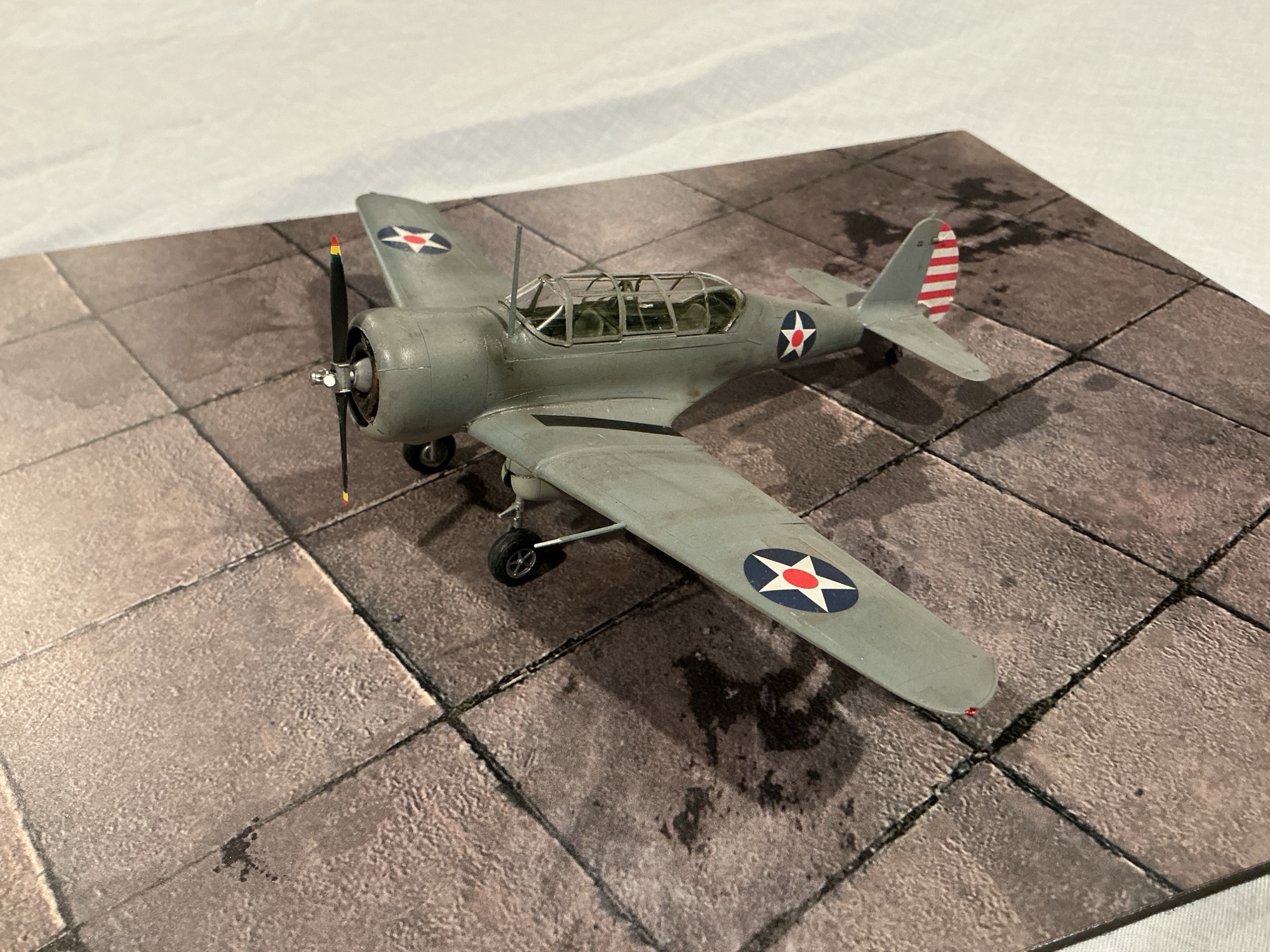
Another lesser known type, the SNC was one of a number of modern types produced in the early 1940s as technology was changing rapidly and the need for this new tech was extremely high with the World exploding into War.
The Curtiss-Wright Corporation was formed in 1929 when Curtiss purchased arch-rival Wright. The new entity ultimately acquired a dozen other aeronautical engineering and parts companies.
The SNC, also known as the CW-22, started as a light, two place civilian sport aircraft in the late 1930s. Curtiss immediately considered military sales for the new airframe. “Lightweight” remained a key part of the formula here. With the rapid growth of technology and demand, it was anticipated that many operators could not accept the increasing cost of the latest and greatest. From Curtiss’ own line-up, the Hawk 75 (USAAF P-36) represented a huge leap with all metal construction, retractable landing gear, electrical system (for radios and modern avionics) and around 1000 horse power. Trainers and other light aircraft were seeing similar make-overs.
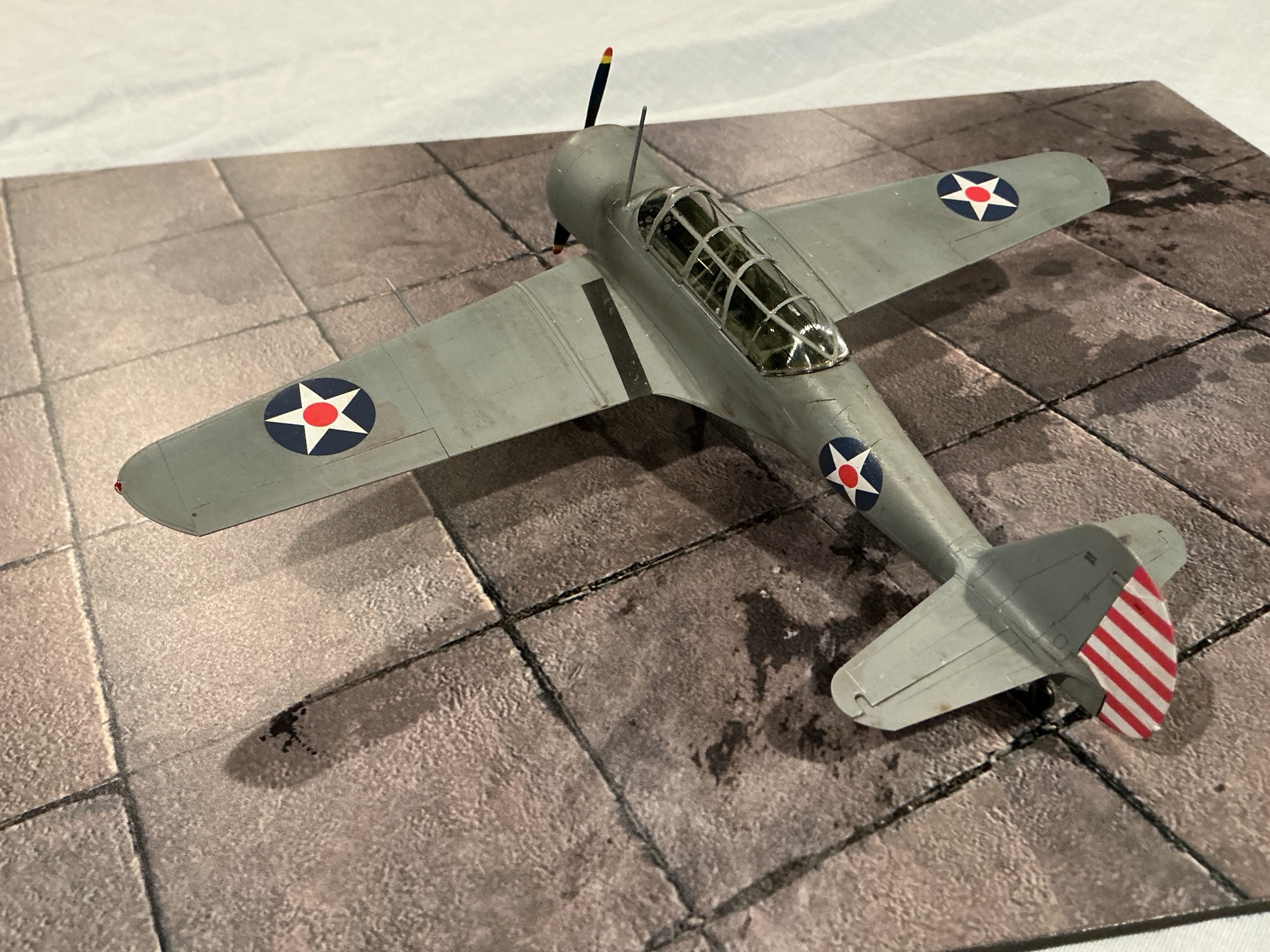
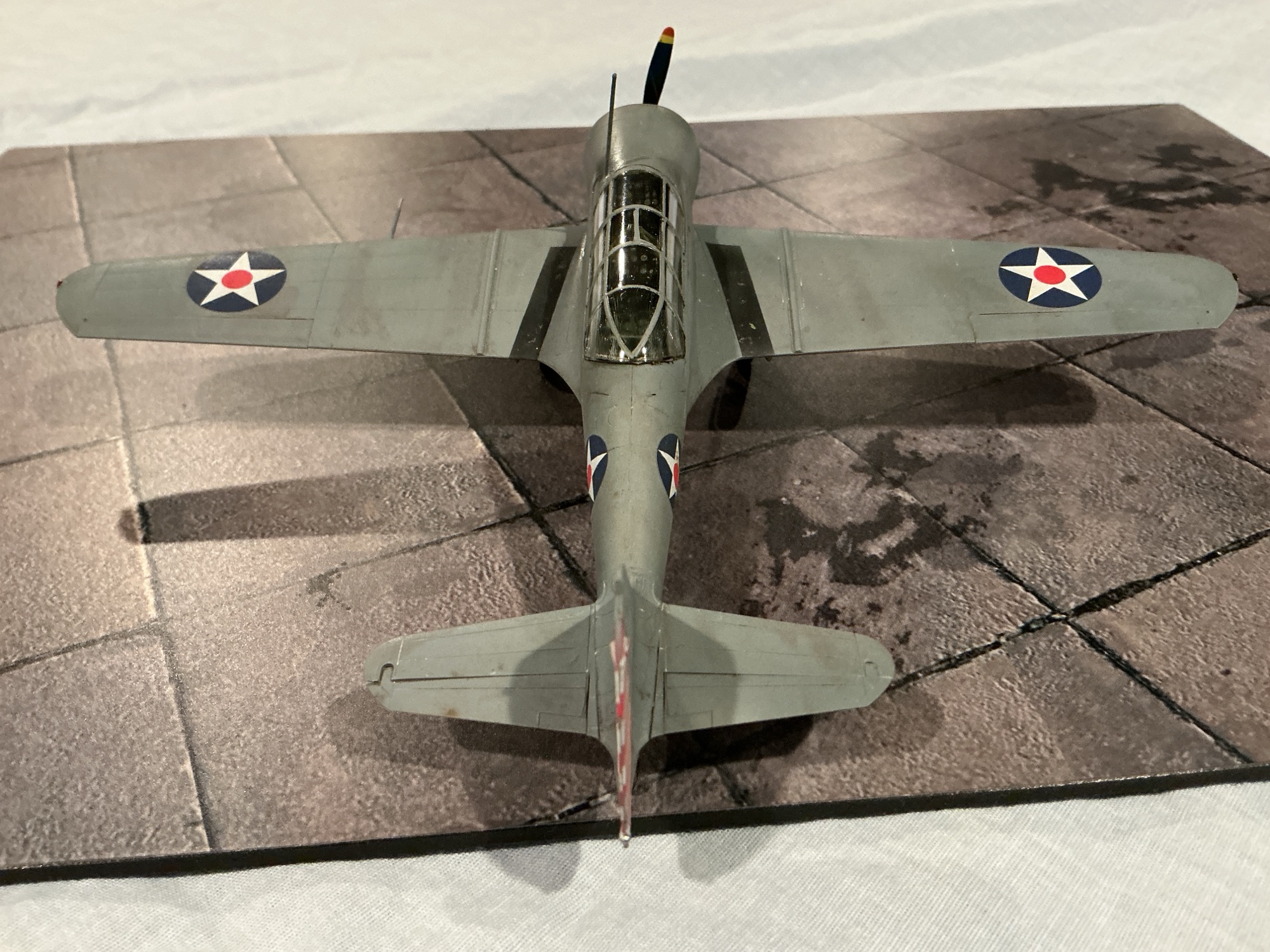
Curtiss had an idea of developing some smaller, and cheaper types using much of this modern tech. Two new types were built from their light CW-19 civil aircraft. A CW-21 single seat fighter, and a CW-22 trainer and light support type. The CW-21 will get its own post later. The CW-22 first flew in 1940 and entered service with the US Navy and other operators in 1942.
It used a Wright Whirlwind engine of 450 horse power and had a maximum speed of around 200 miles per hour.
Some were armed with a single fixed .30 in the nose and a rear seat flexible .30, with provisions for a light bomb load. This was primarily intended for combat training, although light support was also envisioned.
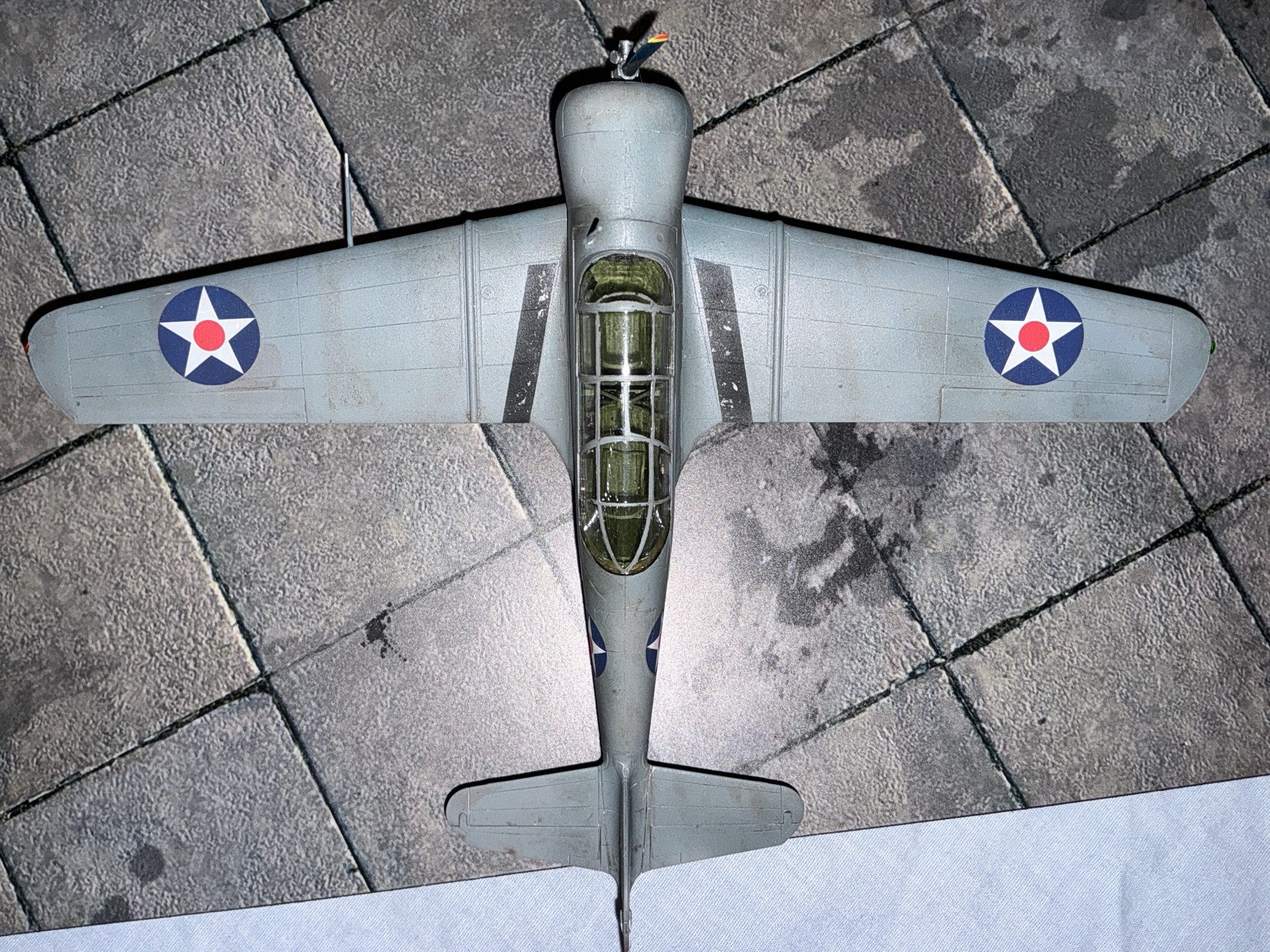
It did have some success in its intended international sales. The largest foreign user being the Dutch East Indies, at least 36 examples being delivered to them through Australia even as the Japanese were attacking their islands. This led to the Japanese being the next largest user of the type…
Bolivia, Peru, Uruguay and Turkey all used small numbers. And the RAF used at least one from an aborted order for China.
The US Navy purchased 305 as trainers. With a total production of 442 (some disagreement between sources), that makes the USN the largest user of the type by a wide margin.
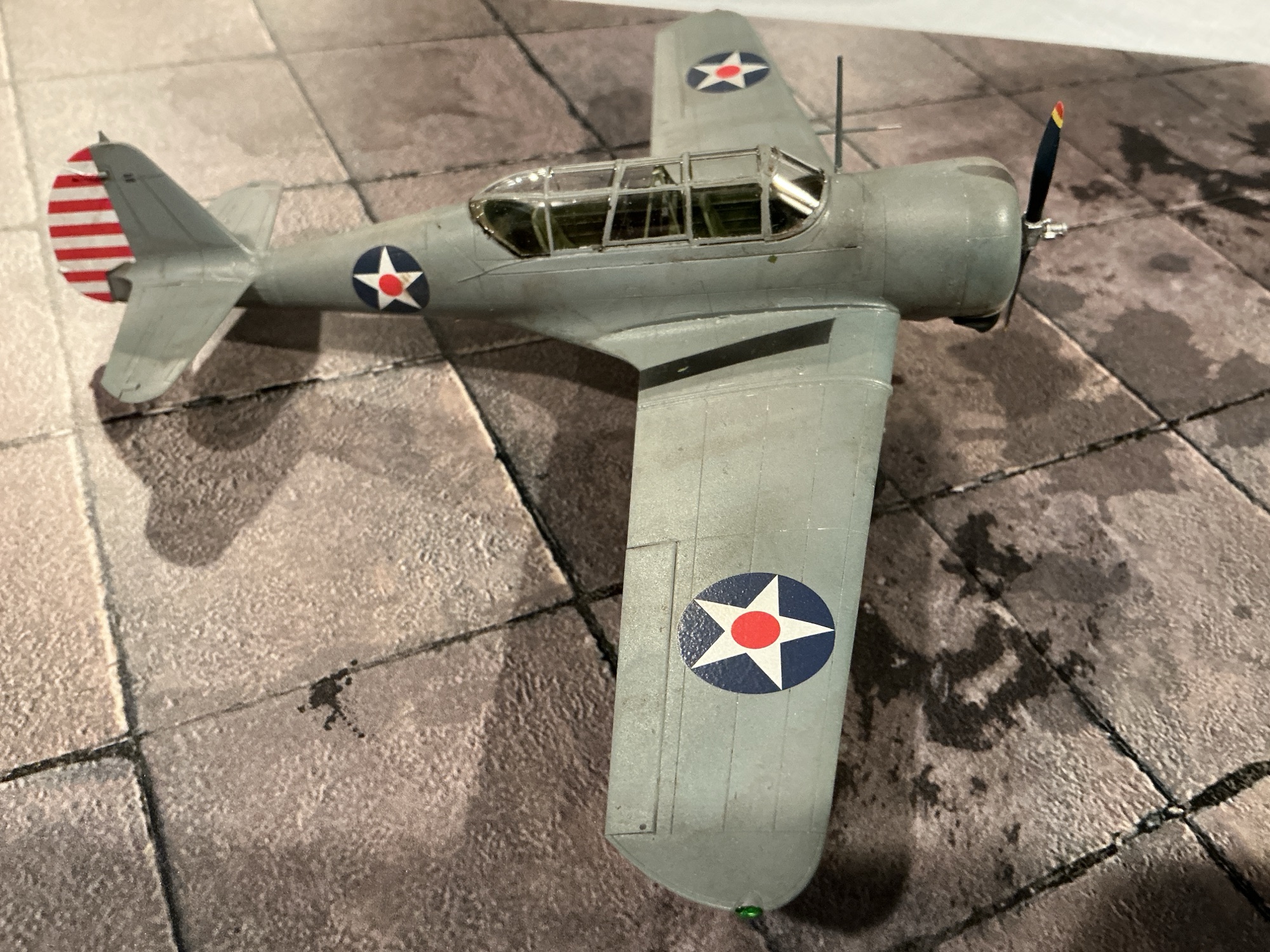
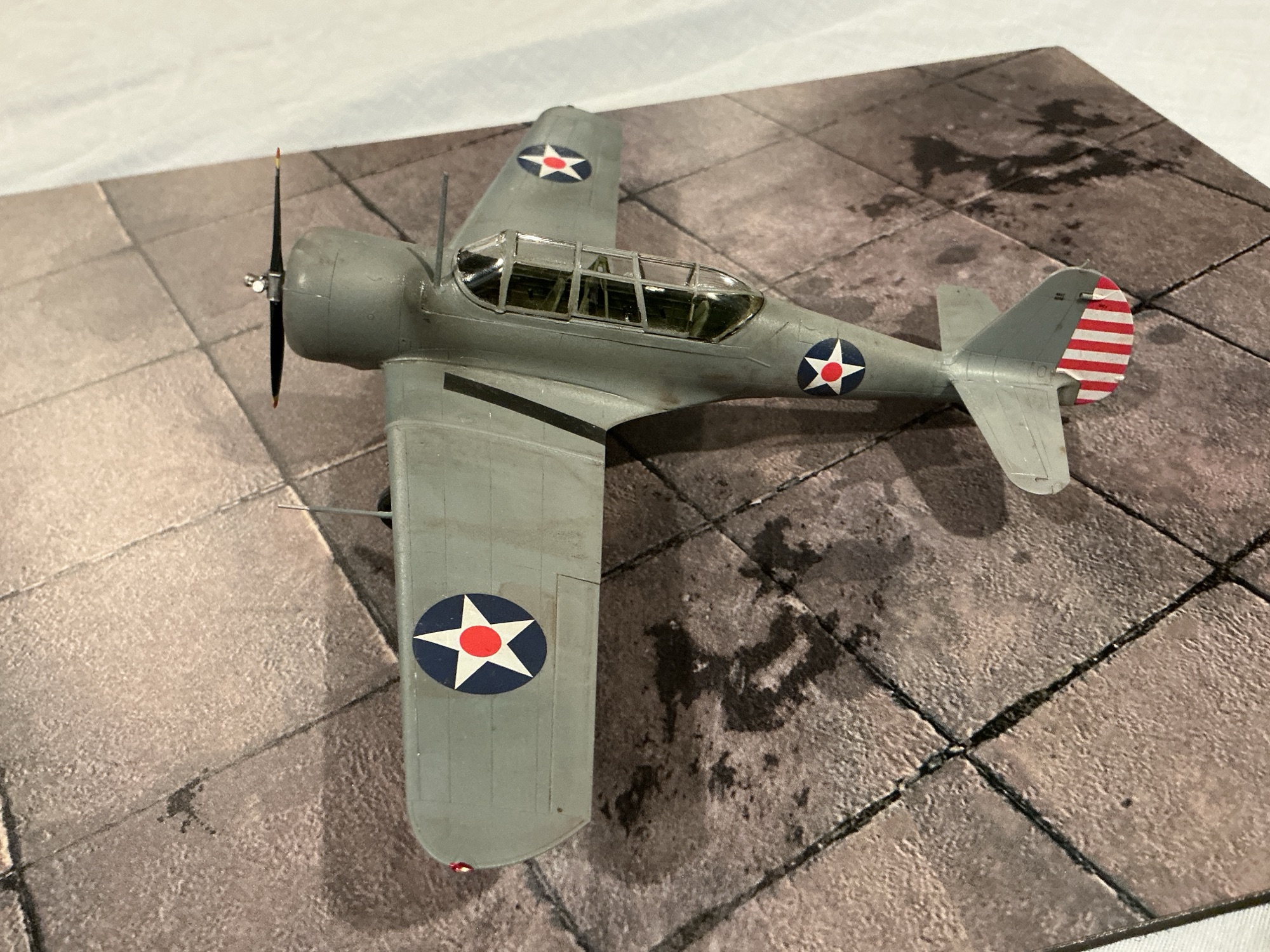
This particular aircraft represents one photographed at NAS Corpus Christi in 1942. The USN version includes full modern instrumentation and dual controls.
It is from the Dora Wings kit. Not a difficult build with the concession it is a limited run kit. That just means be patient, line things up carefully. Expect to use filler and spend time sanding.
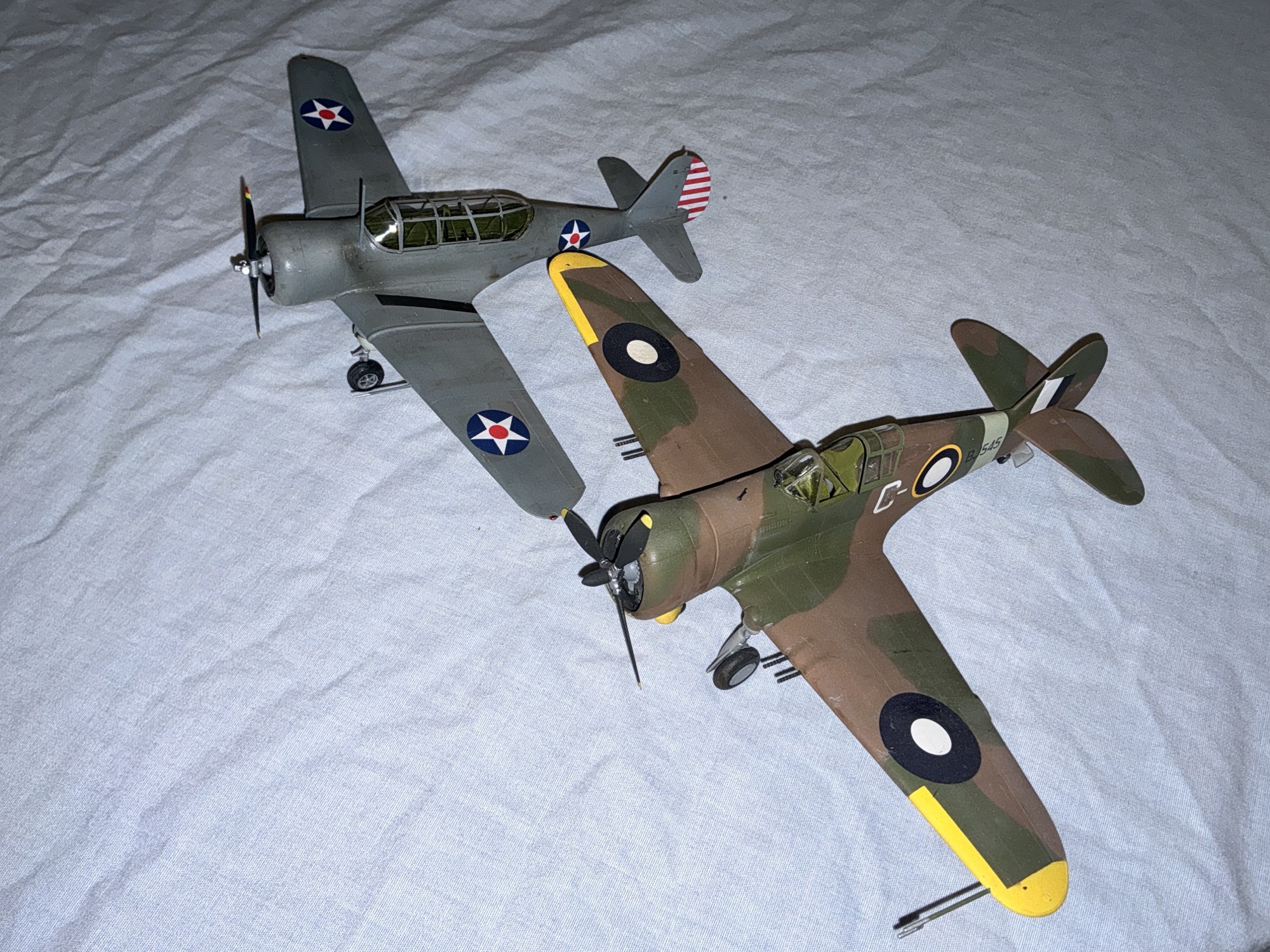
Its an attractive and light aircraft!


 Plane Dave
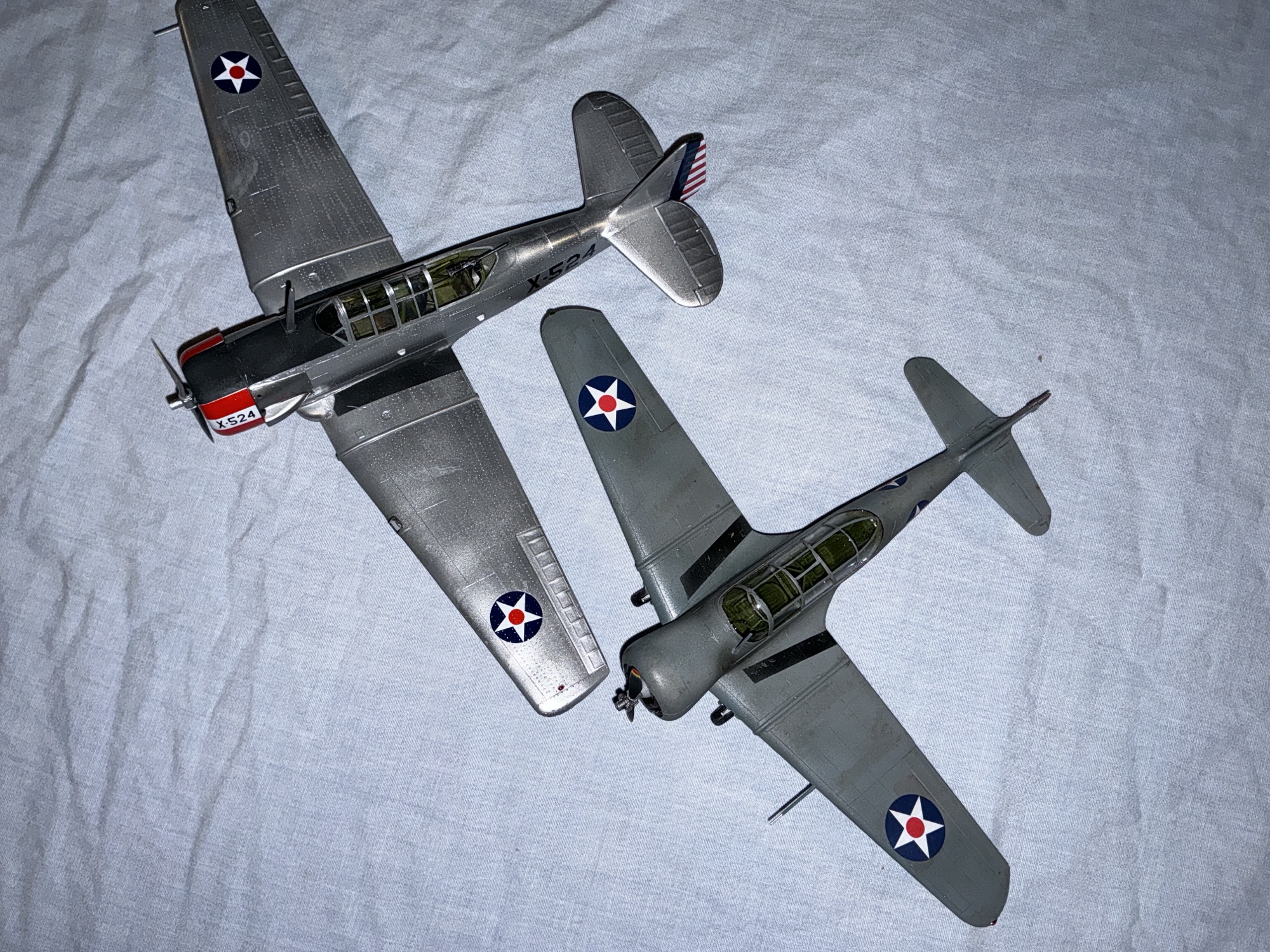
A very informative article and comparison of the size and roles of this light weight trainer and its comparison to thee SNJ. I had no idea that so many were built, as it seems to escape mention or even photographs that I have seen of USN training schemes. Presumably it would have been used in place of the SNJ. Beautiful construction, as always.
I *think* it was viewed as a stopgap for the explosive growth of the USN in 1941-42. Curtiss had not expected USN to be their major customer, but it seems to have worked out well for them.
I had been most familiar with the type from its (small) role in the fall of Indonesia to the Japanese in the opening moves of the War. The Dutch had bought it as a trainer, but being comparatively fast and modern, it saw some use for armed recon. As a wargamer, I’d say the type is not particularly useful. It is too short range and unarmored. Their best use might be to fly them *out* of Indonesia and use them for crew training.
Thank you for the kind words! I know I’ve been working slowly, but I hope to have a new build up within the week.