The Westland Whirlwind may be a type many aircraft and World War II enthusiasts are “familiar” with, but few of us know much about it. I’d put myself in that category, really until I worked on this model.

Let’s take a look at a familiar, if not exactly well known aircraft.
The first Westland Whirlwind was ordered built in 1935. That makes it a contemporary of the much better known Spitfires and Hurricanes. It came about from the observation that as aircraft speeds increased, the opportunity to land hits on a target decreased rapidly. The single engine fighters would address this issue by carrying eight light machine guns (initially).
But it was well known that the light machine guns did not have much hitting power. So the Whirlwind came from an order for a cannon carrying fighter. When studying design proposals for such a fighter, the RAF decided a twin engine aircraft, with the cannons concentrated in the nose would be most effective.
The Whirlwind would not be the only type ordered for testing, but it was the only such type to enter production. It is not a large aircraft, frontal area is less than a Hurricane. It is powered by two Rolls-Royce Peregrine engines. This is a slightly smaller engine, putting out around 750 hp at sea level.
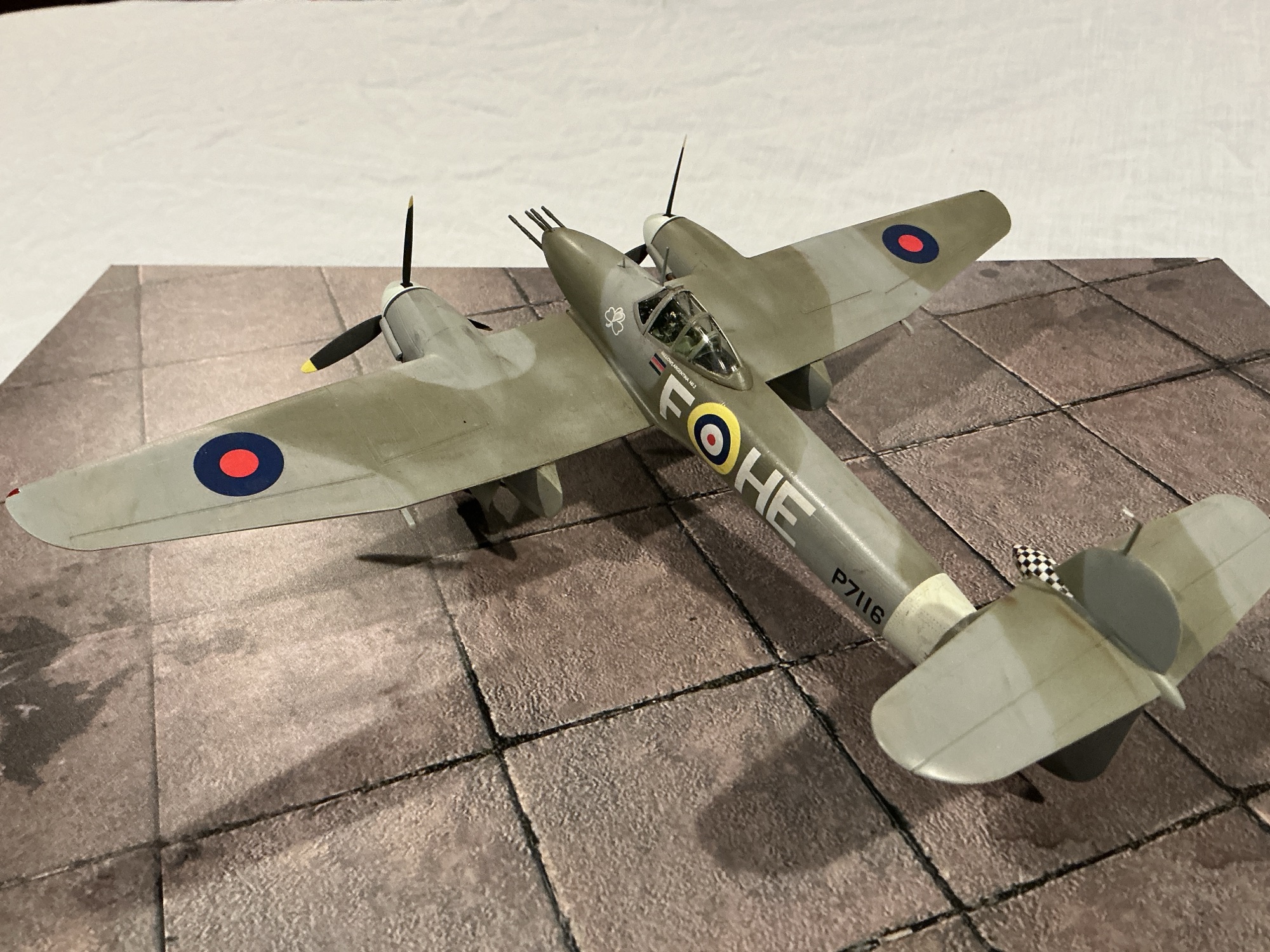
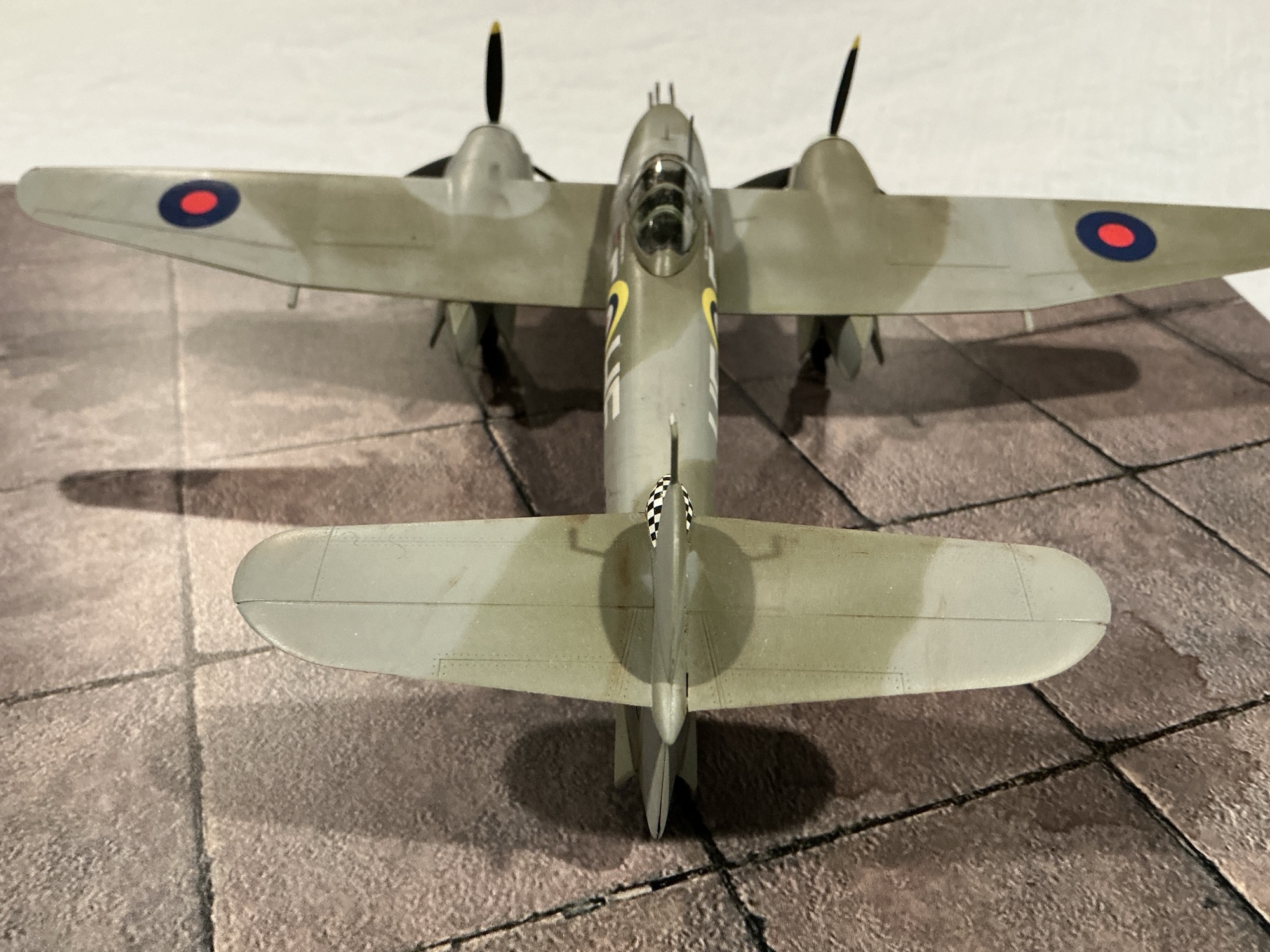
The type handled well at all speeds. With a top speed of 360 mph it was fast for its time. The concentration of four 20 mm cannon in the nose meant a good weight of fire with no convergence/aiming problems.
Its performance down low was especially good, a Whirlwind could master any type, including Bf 109 at low altitude. It was a rugged design, and two engines always means better survivability for pilots flying over enemy territory.
It was first issued to a combat squadron in July 1940, to 263 Squadron which was reforming after the brutal Norwegian Campaign. But deliveries came slowly, only five aircraft were available two months later. The Whirlwind was not one of the RAF’s high priority types during the Battle of Britain. 263 Squadron was not declared operational with Whirlwinds until December 1940. Being a fast aircraft, with heavy firepower, it was used for fighter sweeps (“Rhubarbs”). The pilots of 263 Squadron were happy with their new type. And in September 1941 they were joined by 137 Squadron in Flying Whirlwinds on fighter sweeps over the continent.

Whirlwind production was discontinued in January 1942, after 114 aircraft had been built. The last Whirlwind mission would be flown in November 1943, appropriately by 263 Squadron. Both Whirlwind squadrons re-equipped with Typhoons.

Which leads to certain “why” questions. Why was the type discontinued? Why wasn’t it more successful? Why isn’t it better known?
We’ll start with an obvious issue, the Peregrine engine. It was not very reliable, it was prone to overheating and engine fires and it lacked in high altitude performance. Presumably with a peace time sort of development some of this would have been fixed. But with the pressures of war, Rolls-Royce and the RAF decided they couldn’t be bothered and the Peregrine, like the Vulture, was simply dropped from production.
The Whirlwind was completely built around the size of the Peregrine. The idea of switching to a Merlin was considered, it would have improved speed, reliability and altitude performance. But, it would have required a major redesign of at least the wing and nacelles.
Another big issue was that Westland simply could not meet production targets. At one time, 400 Whirlwinds had been ordered. But production ended after almost two years with just over 100 examples built. The type required three times the resources to build as a Spitfire, and it burned more fuel in service.
And by 1941 Spitfires were being delivered with better performance at all attitudes AND cannon armament.
A final concern I’ve seen, with a high landing and take-off speed, Fighter Command was limited on what fields could even handle the type.

It is a credit to the Whirlwind that it remained in combat for nearly two full years after going out of production. It was good at its normal mission profile and suffered few losses. And during that time, most examples in service were modified to “Mark II” standard, which basically meant they were given bomb racks during an overhaul.
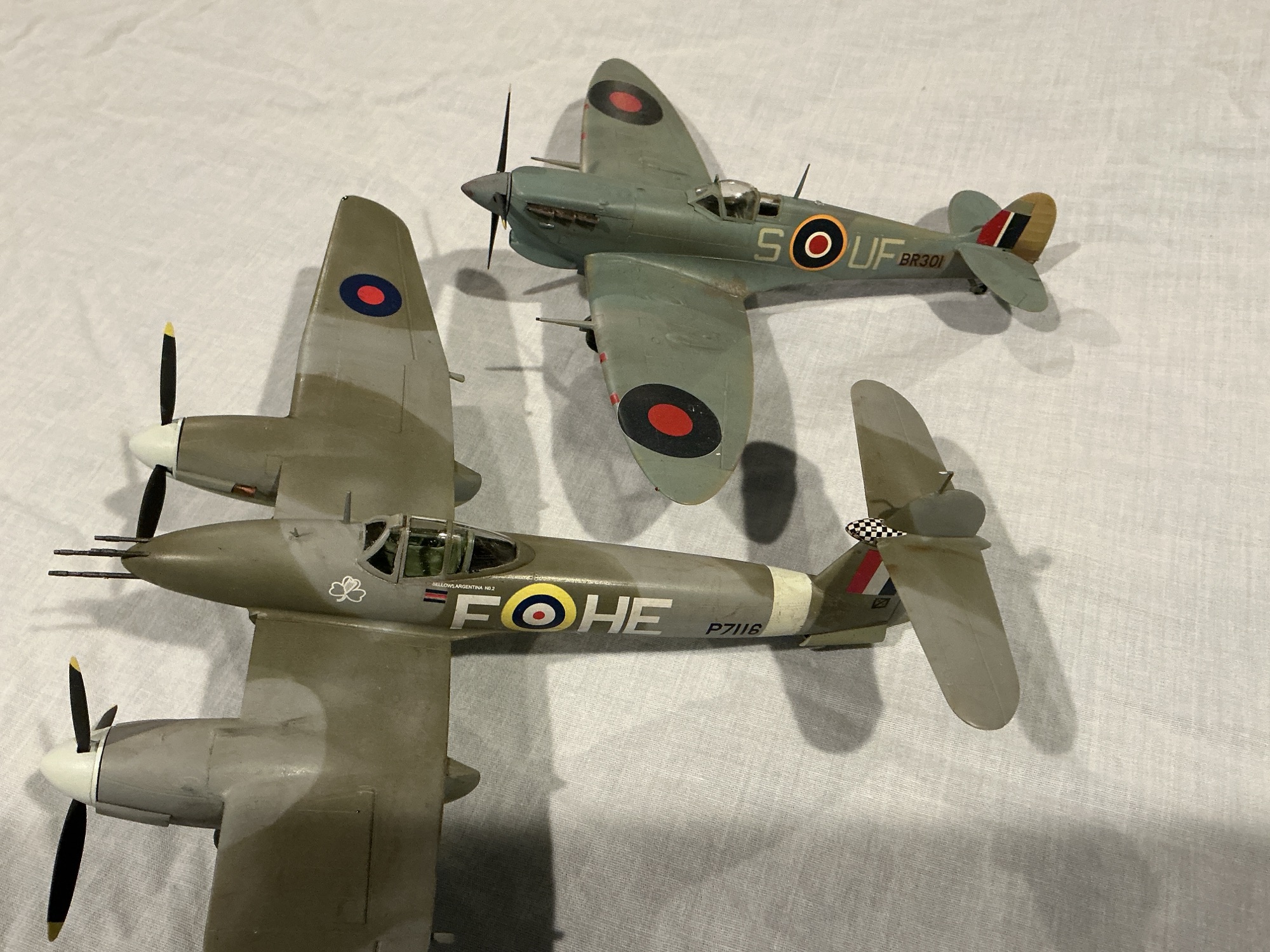
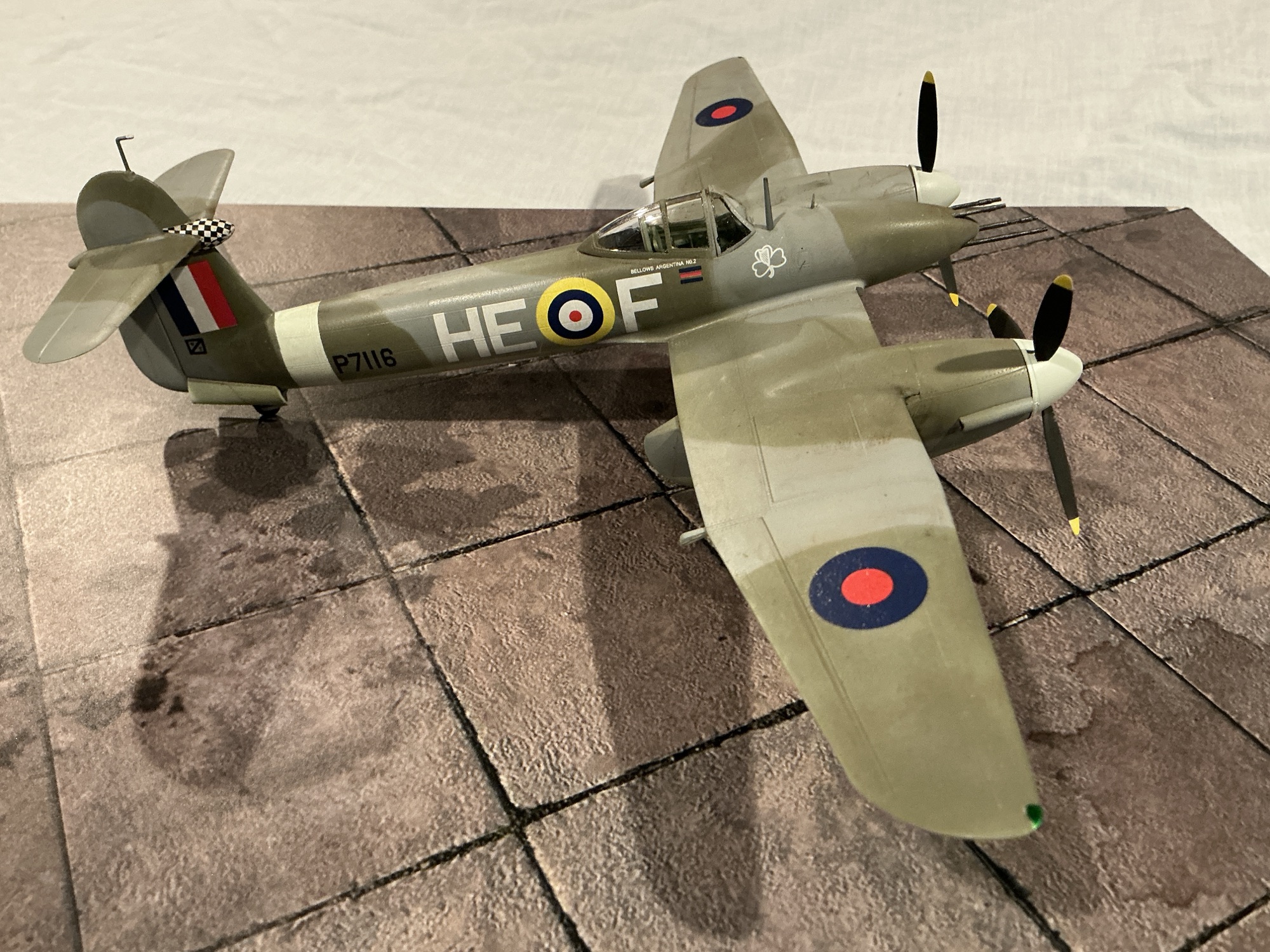
Which leads to this particular aircraft. It was flown by the squadron commander of 263 Squadron in 1942. There was not much variability between aircraft, so this is a completely normal example. With the bomb racks that identify it as a Mk II.
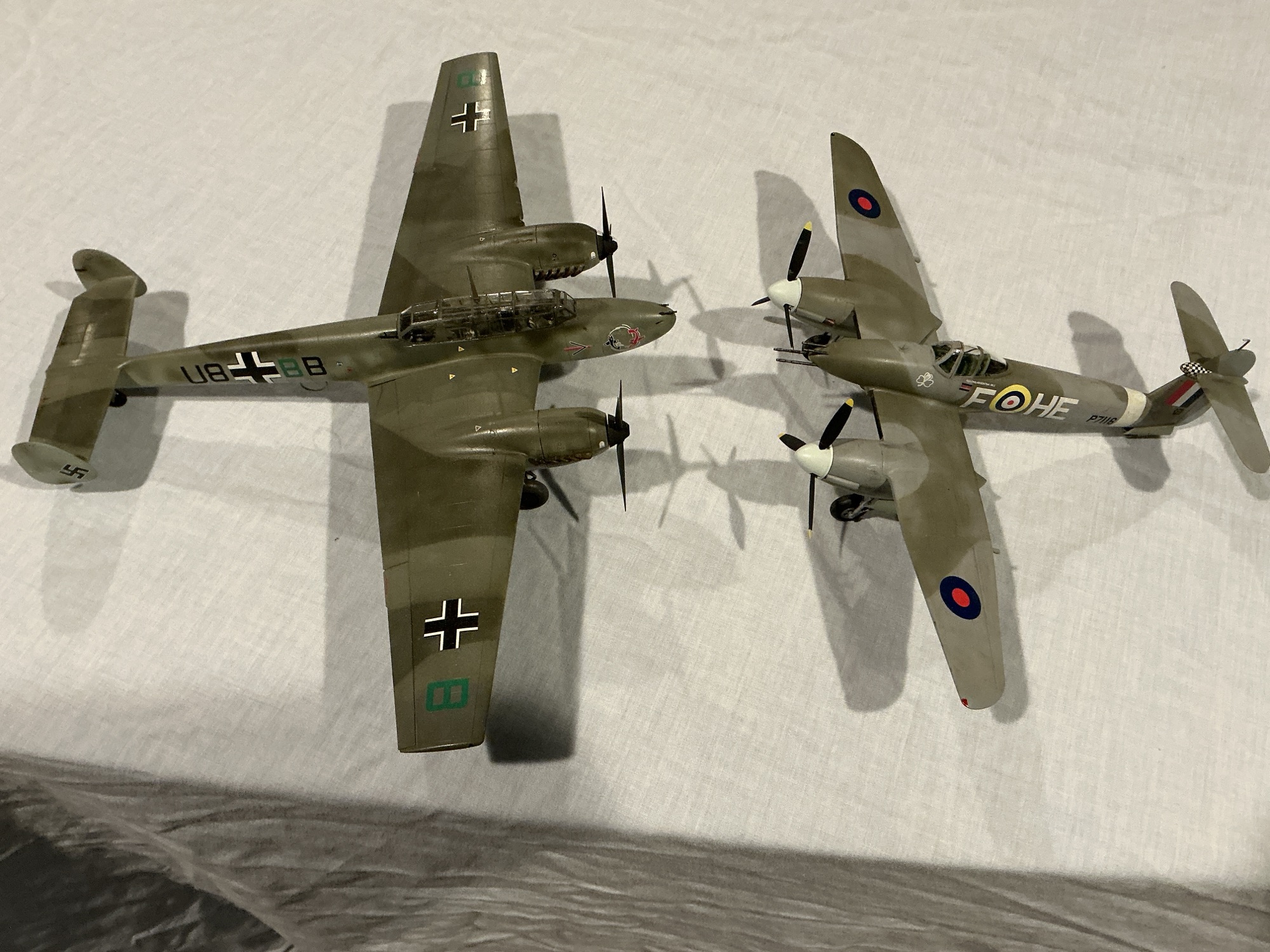
This was built from the Trumpeter kit, hassle free.


 Plane Dave
Thanks. I learned a lot more about it.
Me too!
One thing I have learned since 2020 is to stop binge buying and start building what I have collected since the early 90s.
You are a better man than I!
I think I still buy like I was working in 2020, but obviously I’m going a bit slower now.
What is stopping me is I don’t know where to put what I have been building since 2013 when I started my blog My Forgotten Hobby.
I’m running out of room too! I periodically throw away the dusty stuff.
The whirlwind never really reached its full Potential. It had promise but was sadly sidelined. If only springs to mind!
It sure had potential! Imagine if they’d put Merlin’s on it, I think it would have made a better Jabo than the Typhoon.
But I think that “what if” needed more time and money than wartime allowed for. There’s a lot of what ifs in that category!
Most definitely.