
The Douglass TBD is one of those types synonymous with the painful start to the US’ war effort in the Pacific War, and is often reviled as painfully obsolete.
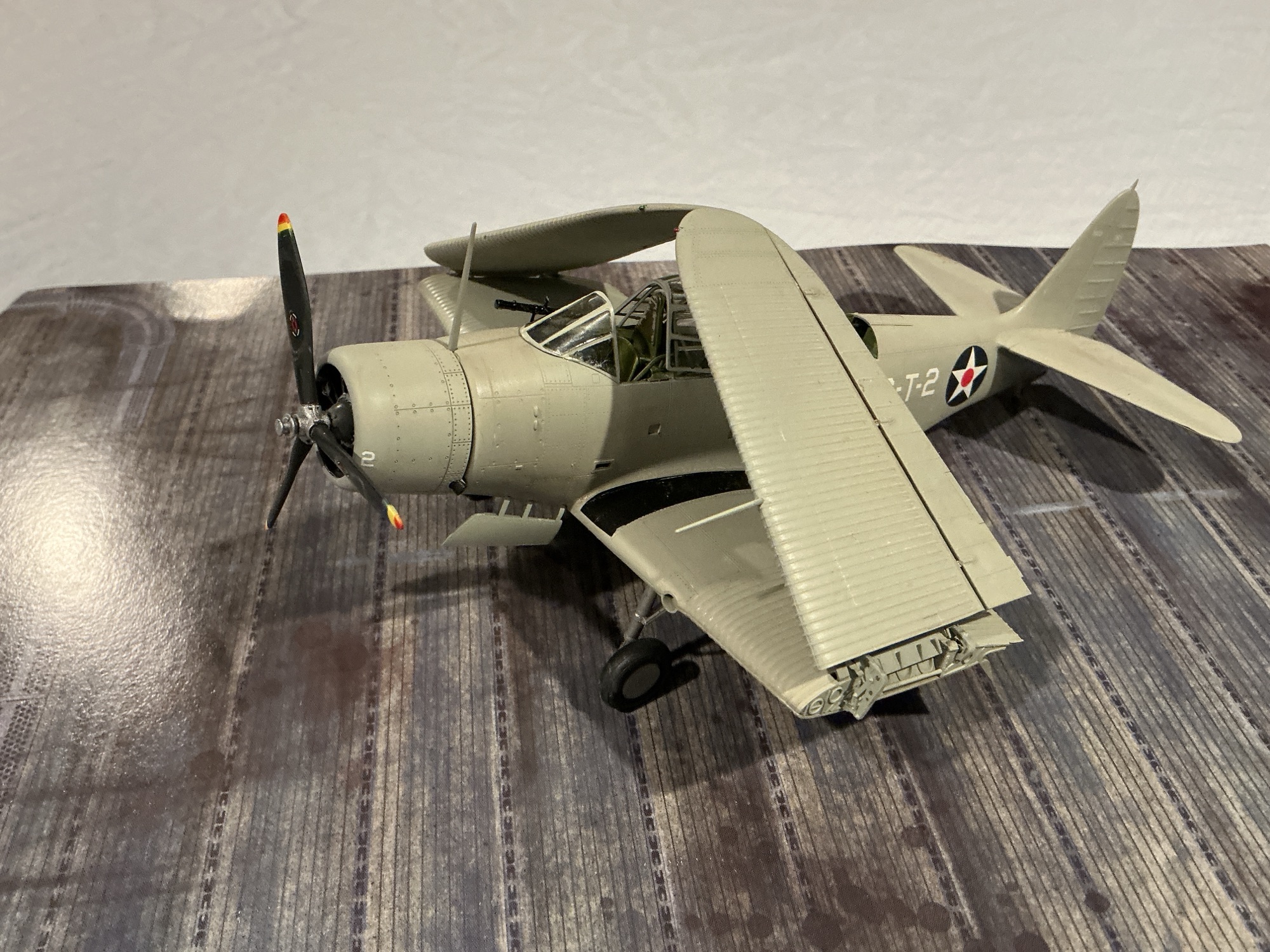
Of course, like many such examples, there’s more to the story than that. Let’s take a look at an example from just before the US entered the War.
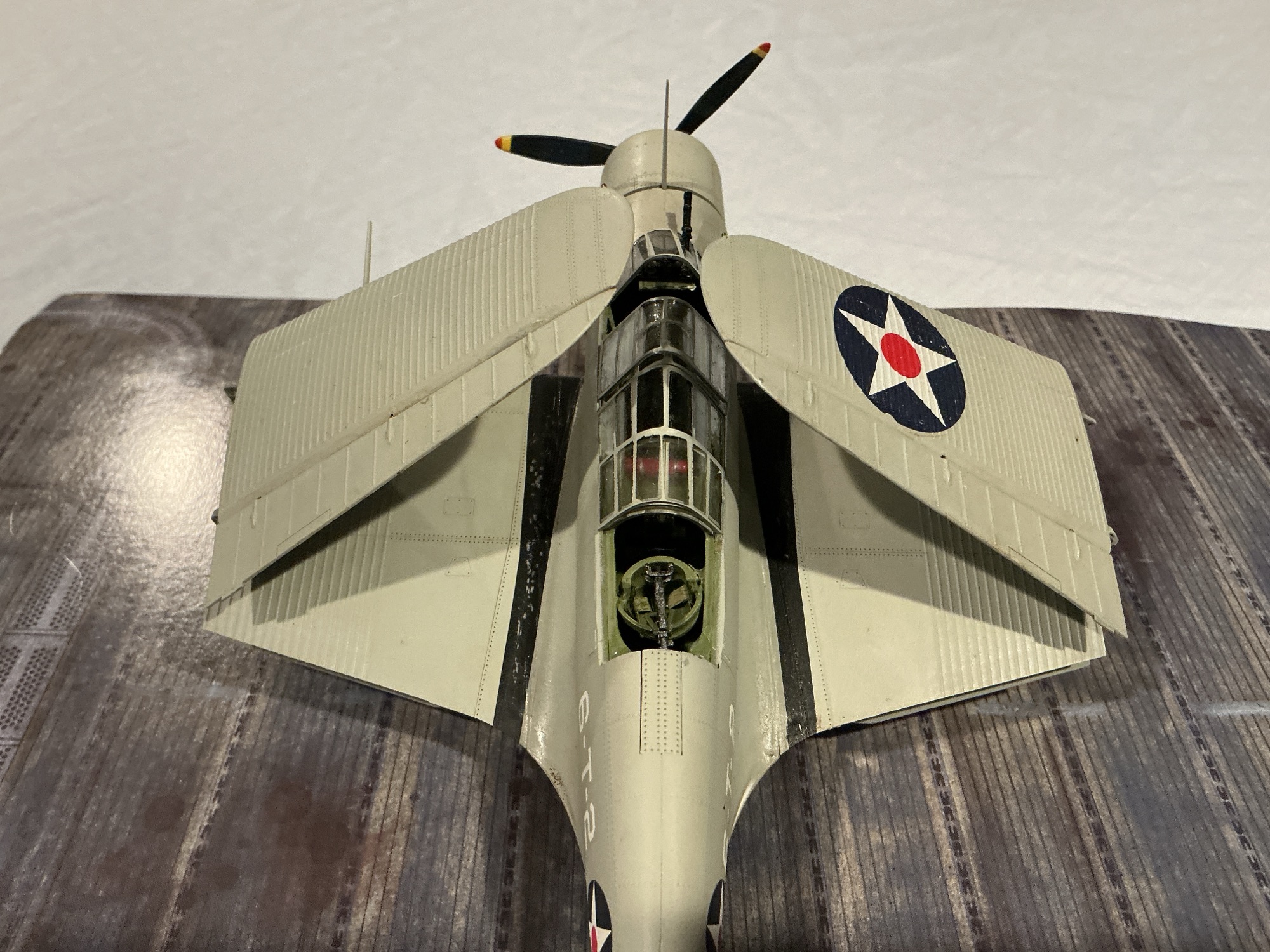
I tend to think the Devastator is more an example of the rapid pace of aviation technology developing from the 1930s through the War. The Devastator first flew in 1935. It was the most modern aircraft in the Navy when it entered service as a torpedo bomber in 1937. That’s only two years before World War II started. Like most nation’s the US still had mostly bi-planes in service at this time. There could be no doubt all metal monoplanes, with enclosed canopies and retractable landing gear was the way of the future. And the TBD was right on the bleeding edge of that transformation in 1937.
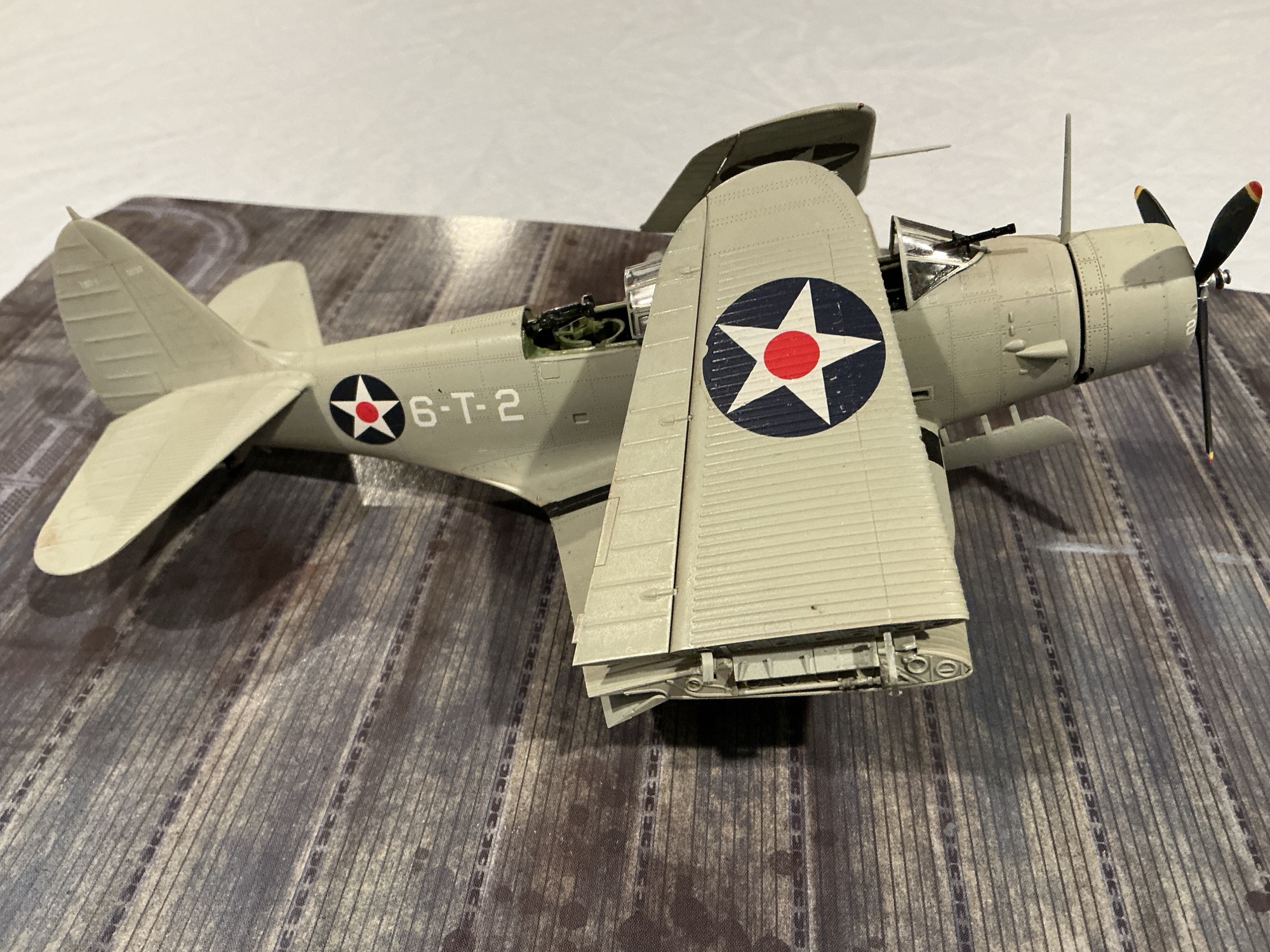
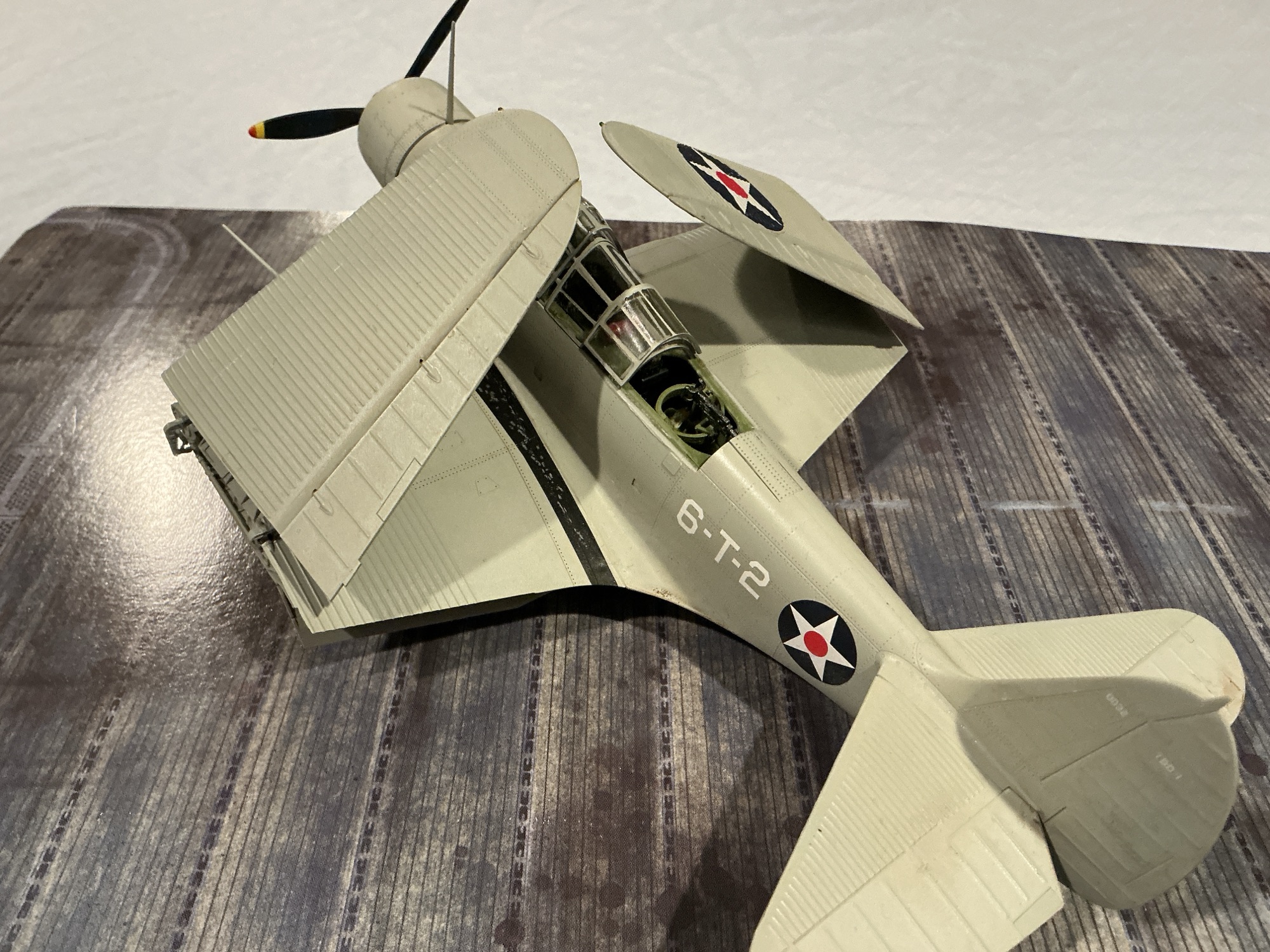
The Navy was aware things were moving quickly at this time. They also had Scout Bombers (Vought SB2U and Northrup BT) entering service as contemporaries of the Devastator, and fighters (Brewster F2A and Grumman F4F) that would enter service just after.
And when next generation engines started to appear, well the Navy knew they had to have these new planes with over 2000 horsepower. Grumman’s TBF would be the first of the next generation aircraft to be ready, in 1942. But that meant the “older” types, like four year old Devastators, were still in service when the US was forced into the War.
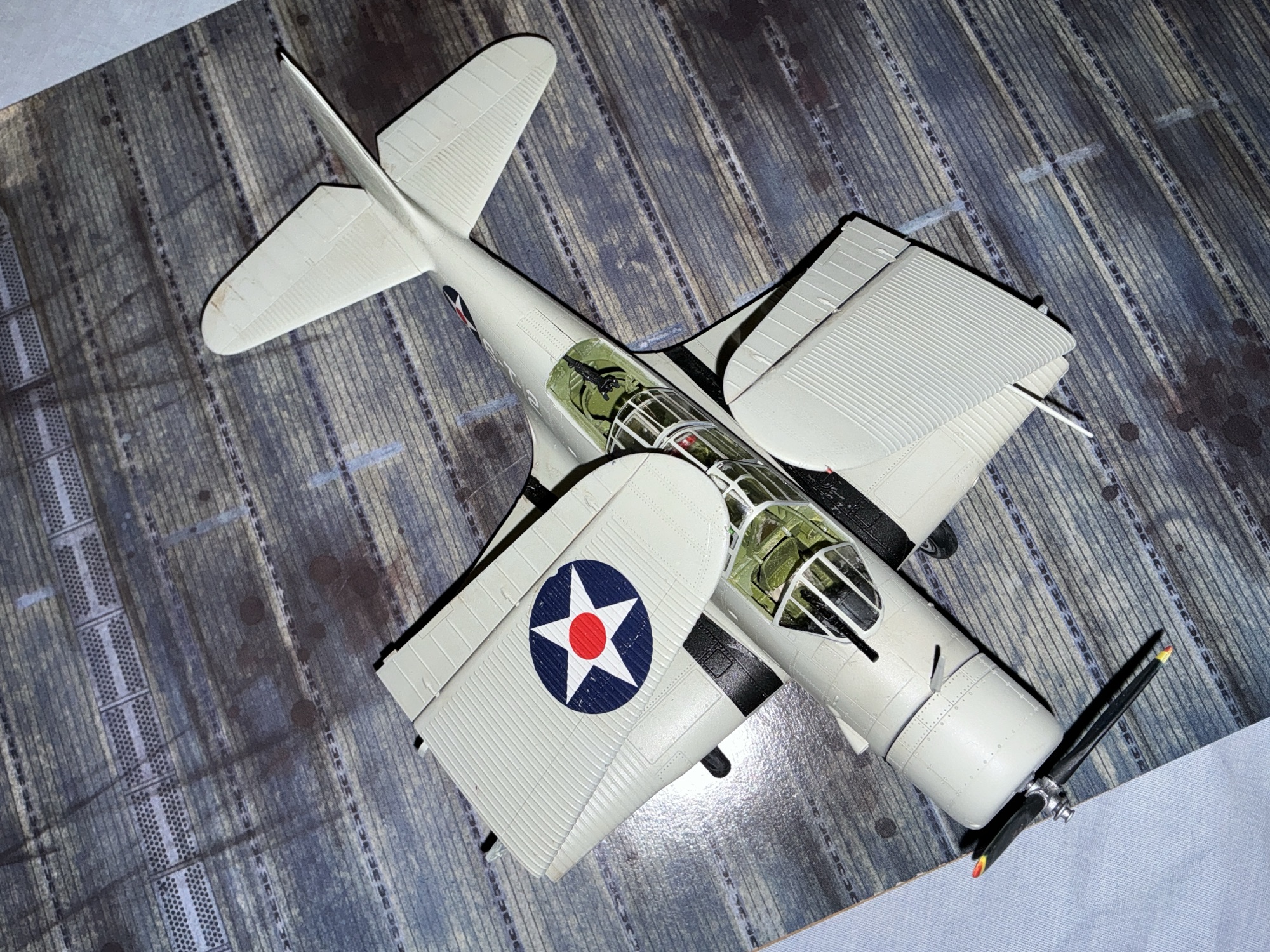
It is funny to me how things have changed. Today our military uses aircraft types that have been in use since I was a kid. B-52, C130, KC-135 have seen service since before I was born. I’m 62. I’ve heard it said some B-52 pilots are a 3rd generation of the same family. At the start of World War II, a four year old airplane became a symbol of hopeless obsolescence.
But that was the pace of things. When the Devastator first flew, The R-2600 engine that would lead directly to the TBD’s replacement, was already well into development.
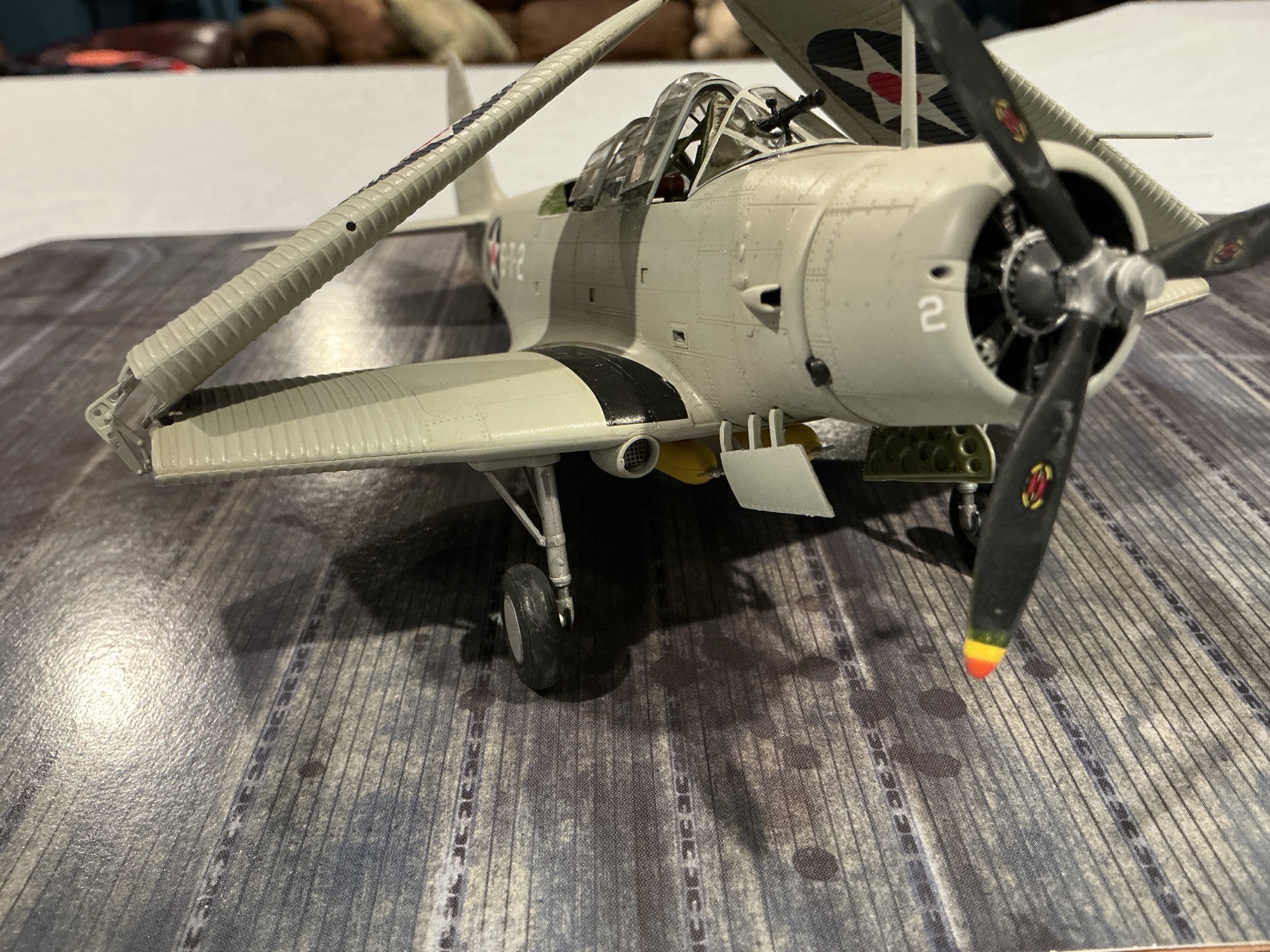
Obsolescent or not, the TBD was based on every US Navy Fleet Carrier when the Japanese attacked Pearl Harbor. They flew numerous patrol missions, participated in bombing missions during early-War carrier raids, and even torpedoed Japanese shipping around New Guinea and Guadalcanal (in May 1942).
They became a symbol of heroic futility when, at the Battle of Midway in June 1942, 41 Devastators made torpedo attacks on the Japanese main striking force. The scored no hits and suffered 35 aircraft lost. Obviously an epic disaster.
But it doesn’t take too deep of an analysis to discover at least two issues of greater significance than the age of the aircraft. First, due to poor coordination and communication, only one of three Devastator squadrons had any fighter escort. Second, The Mark 13 torpedo carried at the time, required a drop from below 100 feet at less than 100 knots.
Avengers made their combat debut the same day, six planes attacked, they scored no hits, and only one plane returned to base. You could argue that’s too small a sample set. But the results were the same. The Mark 13 torpedo was more at fault than the airplane. (The Mark 13 was improved and an effective weapon by the end of 1943).
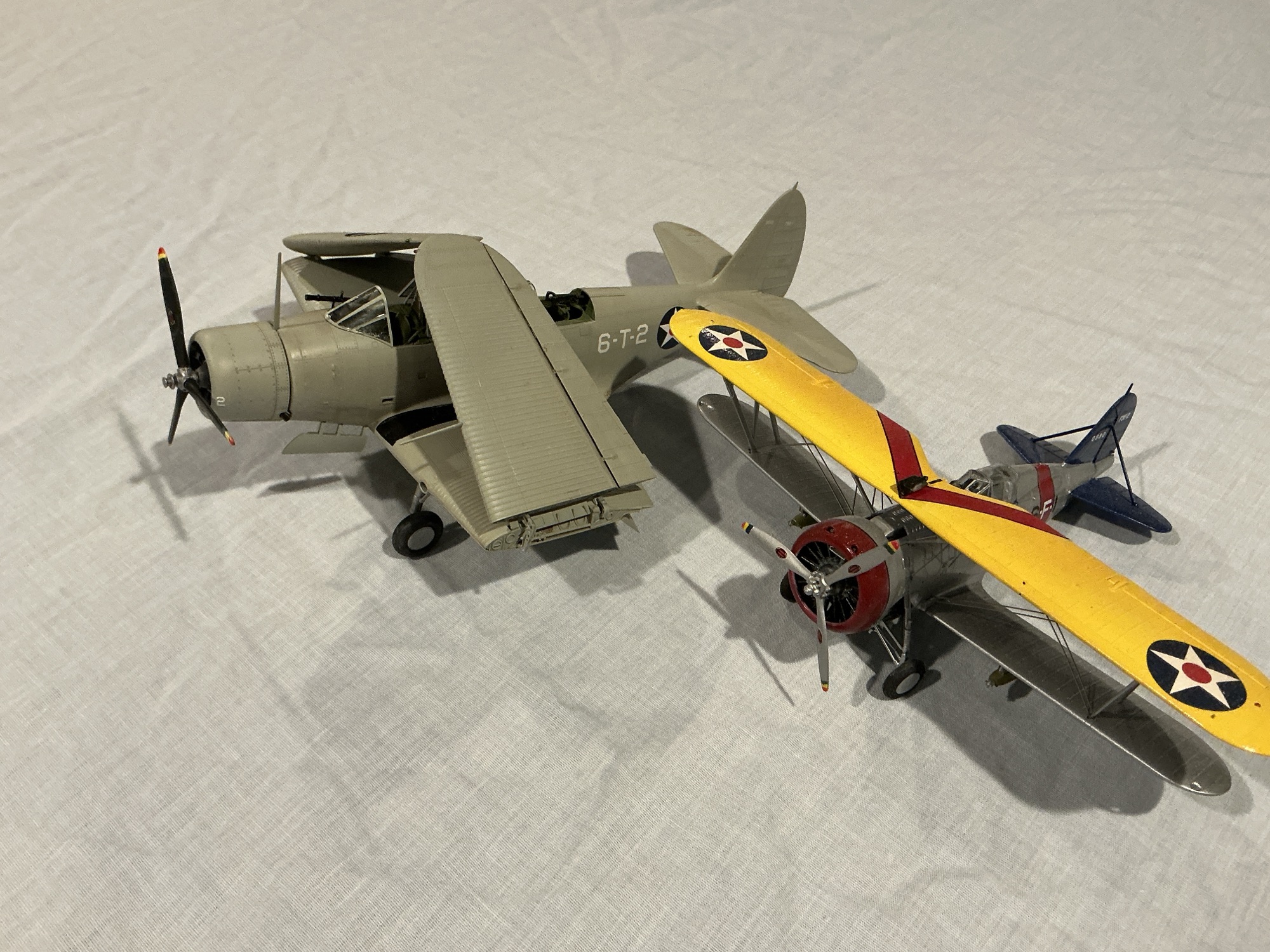
This particular airplane carries markings from just before the US was at War. From September 4, 1939 the US declared its neutrality as War broke out in Europe. But FDR also declared the US would not allow attacks on merchant shipping in US Coastal areas or the Caribbean. Functionally, this meant we were pledging to protect British and French shipping from German U-Boats. This meant we weren’t even pretending to be impartial neutrals.
Initially, the order was just that sighted U-Boats would be reported in plain English on published radio frequencies, like any other hazard to navigation.
Quietly, this was quickly amended to “shoot on sight”. And then the area of the Neutrality Zone was expanded, up to half the Atlantic. By early 1941 the US Navy was participating in convoy escorts in the Western Atlantic.
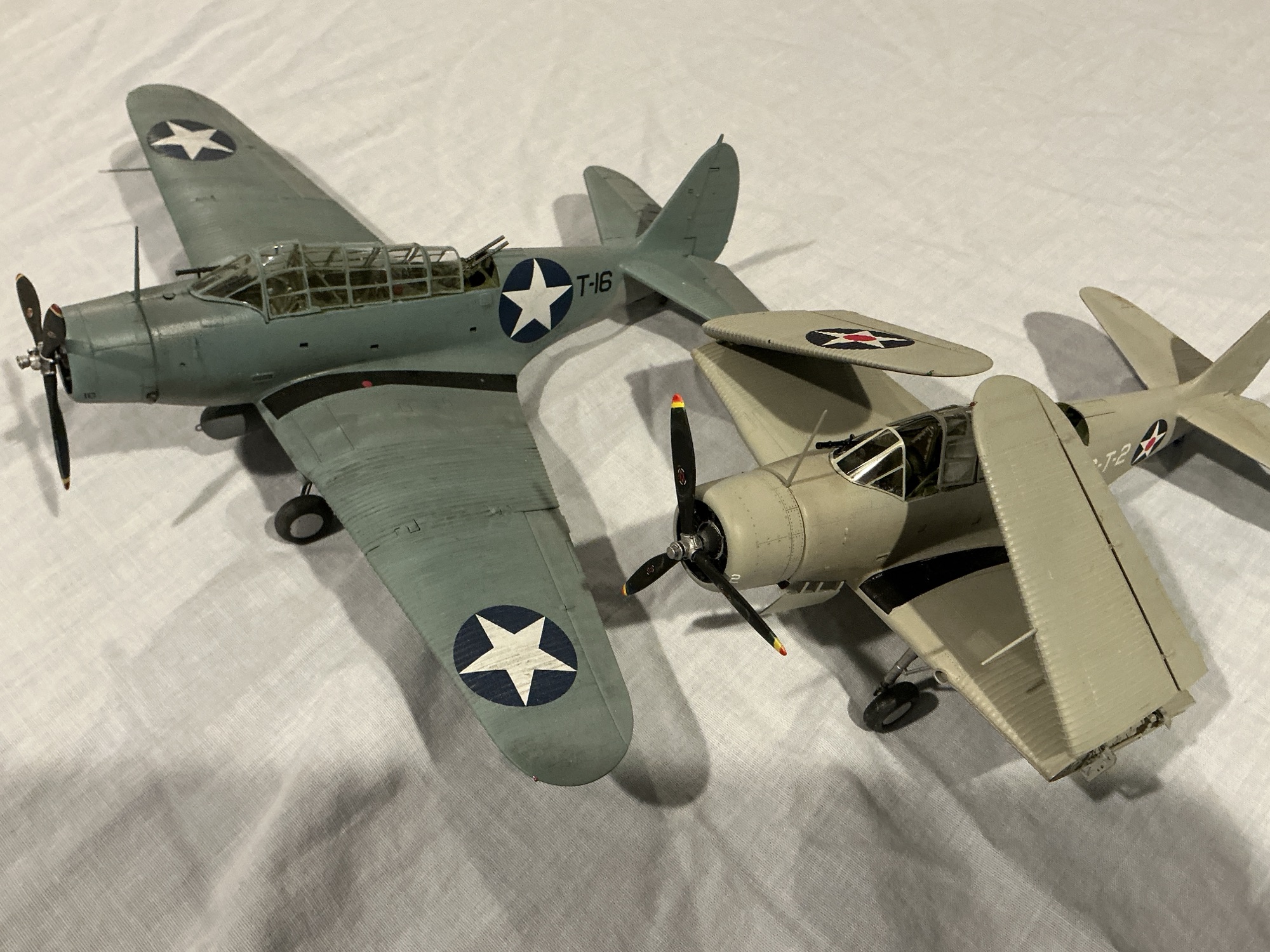
This means that really, the US was in an undeclared war. From 30 December, 1940 the US Navy ordered the colorful “Yellow Wings” markings carried on all aircraft to be replaced with overall Nonspecular Light Grey on tactical types. It was the end of an era as the Navy adopted its first wartime camouflage pattern. In November 1941 this changed again to the familiar blue-grey over grey. So the overall grey camo can be thought of as wartime colors for before the US was at war.
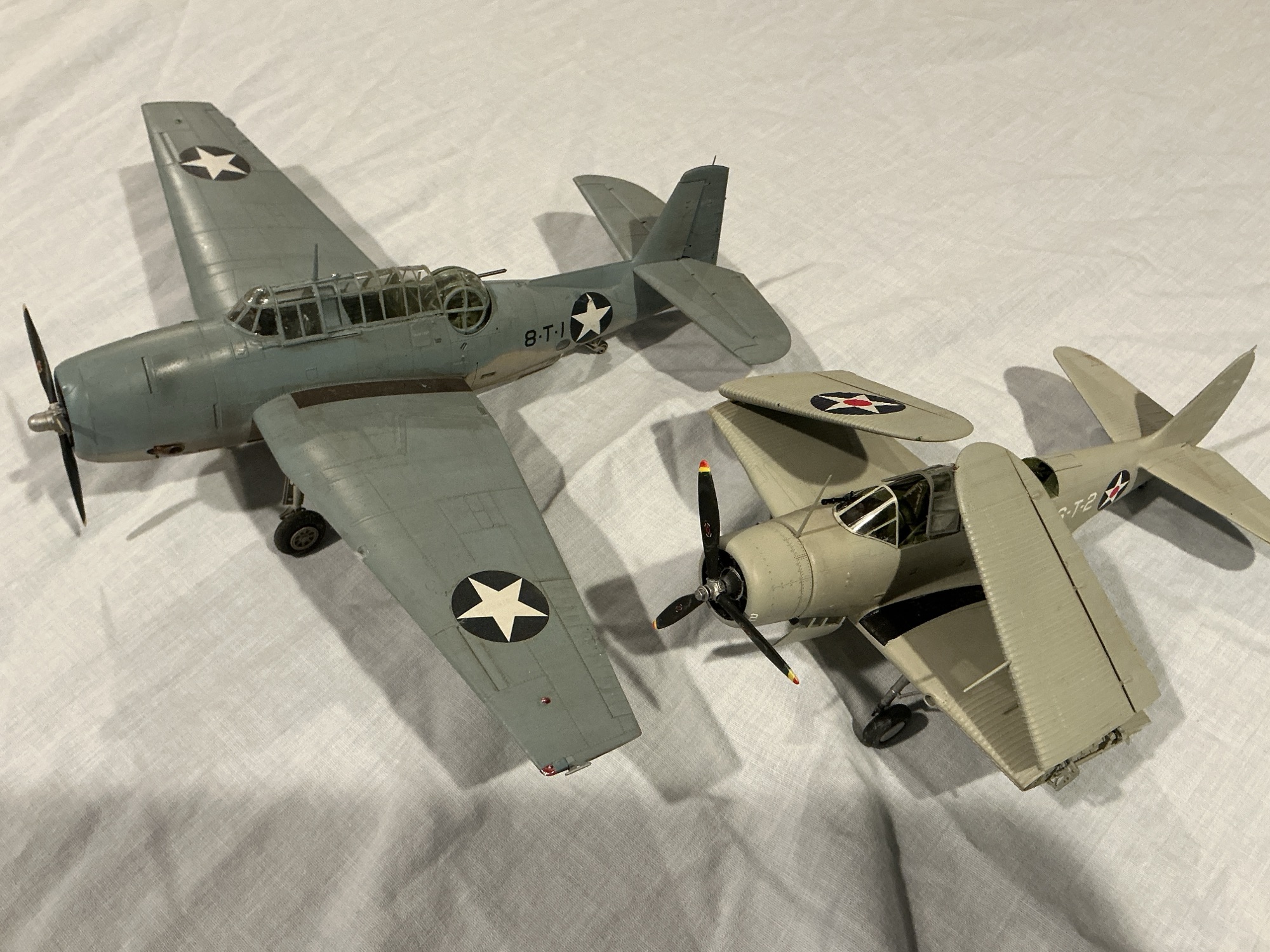
This airplane was based on the Enterprise during this neutrality patrol period. It would have flown armed patrols, looking for submarines. In theory. The Enterprise was a part of the Pacific Fleet, and as such more time was spent worrying about what the Japanese were up to than the Germans. So training for patrols and raids filled much of their time.
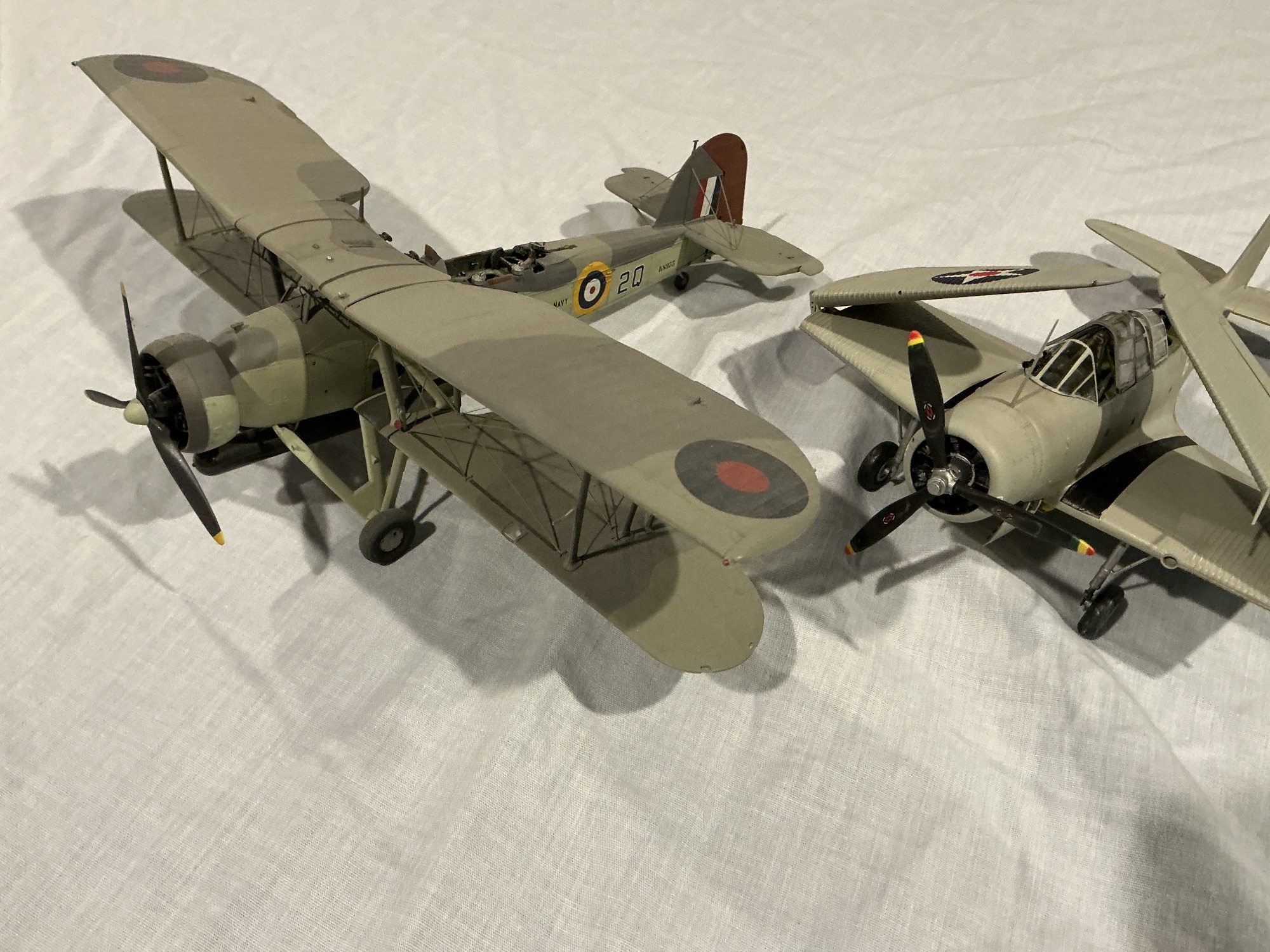
This is the Hobbyboss kit. That Chinese company has a hit or miss record on quality, the Devastator is one of their better regarded kits. It nicely captures the shape of the plane, although it is less detailed than the slightly older Great Wall kit. It was not a hard build. I thought this was a good time to show a Devastator folded up and opened up. The folded wings were by far the hardest part of the build.


 Plane Dave
Glad you’re back.
I’m still at it, slowly! I knew I’d hit a stretch with a bunch of slower builds a couple months back. That next Wildcat is the new Eduard kit, hopefully done in July?!
I will be waiting for another gem post.
Pingback: Plane Dave is back! Douglass TBD-1 Devastator – My Forgotten Hobby IX
Welcome home, Dave.