
Definitely a lesser known type, yet the Fairey Fulmar was in fairly wide service in the early to mid years of the War.
Let’s take a quick look.
The Fulmar was classified as a fighter by the Royal Navy, and saying that really over-simplifies a multi-role aircraft. Its fair to say the Royal Navy often took a unique view on the sorts of aircraft it wanted. It was seen as both a fighter and a reconnaissance platform. It replaced an aircraft (the Blackburn Skua) that had been a multi-role dive-bomber/fighter. The Navy was all too aware that an Aircraft Carrier air group was a finite thing, and they wanted planes that could fill multiple roles. Further, they expected carrier fighters would not have to contend with land-based fighters. The fleet would operate at sea, out of range of small nimble aircraft like Spitfire or Bf 109.
The fleet requirement was for an aircraft that could chase down enemy recon types, like flying boats, and patrol bomber types. Further, they wanted an aircraft that was rugged and reliable and long ranged. An extra crewman was a navigator and radio operator, particularly important functions for long, over-water flights. Readers will recognize this was a different view on naval fighters than what the US and Japanese Navies took. In time, it became clear the Fulmar had no hope of contending with a Zero. To be fair, the Royal Navy recognized before it was even in that part of the War that the fleet could still need true fighters on their carriers. This led to Fleet Air Arm having Sea Gladiators in service right from the start of the War. In time they would adapt other RAF fighters (Sea Hurricane and Seafire) and US Navy types too.
And yet, the Royal Navy *also* ordered the development of a next generation of multi-role naval fighter in the form of the Fairey Firefly. I think its safe to say, even if the Fulmar was not the only type fighter for Royal Navy service, it did fill a role the Navy wanted filled.
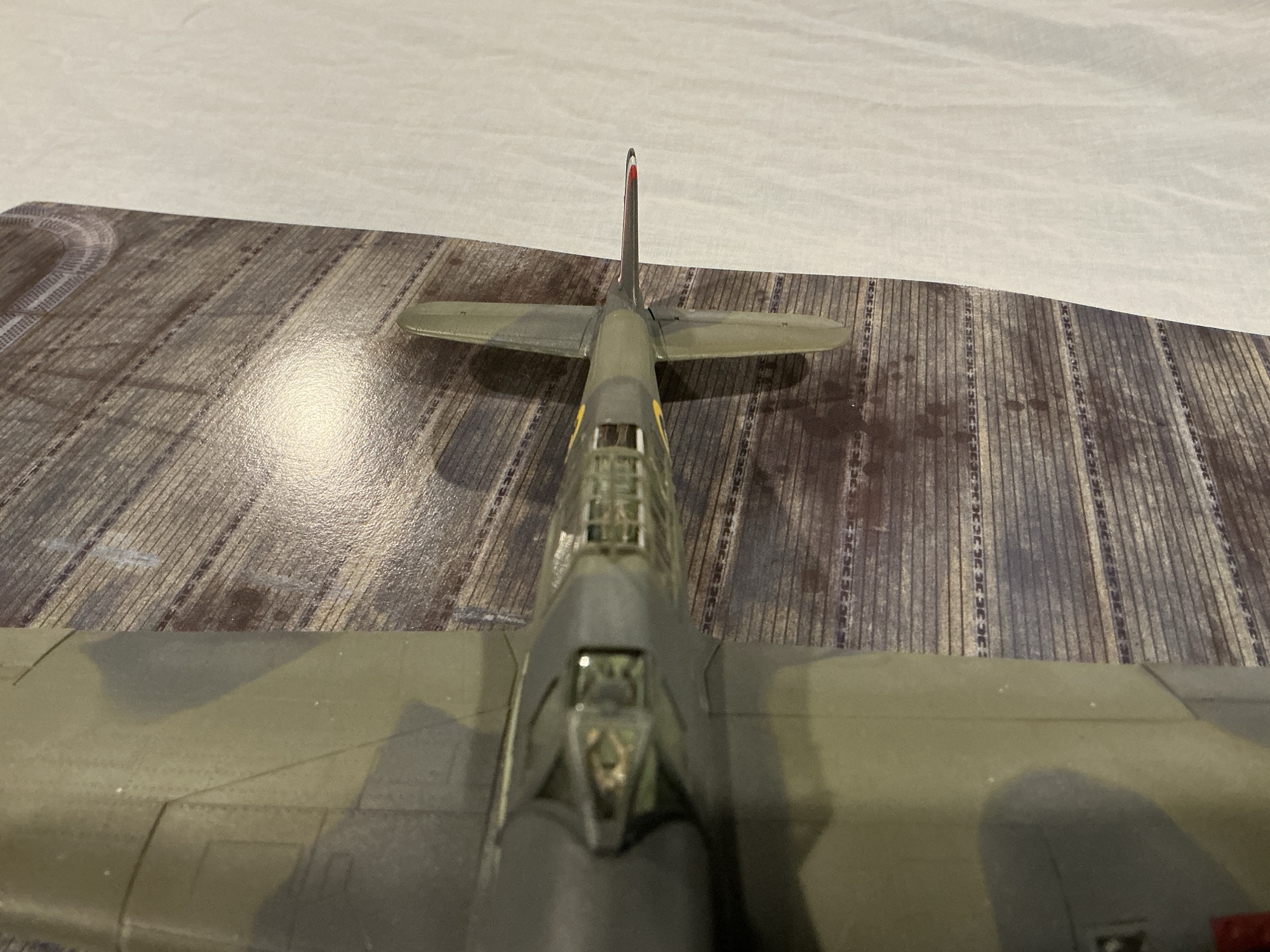
Which leads to what exactly the Fulmar was. It started life as a light bomber. It was meant to be a replacement for the Fairey Battle. The design was smaller, and stressed for dive bombing. The RAF had made clear even before the disaster that befell Battles in Spring 1940 that it wasn’t really a type they wanted. The RAF really wanted bigger bombers, even for tactical aircraft they preferred something like a Blenheim. So the design nearly died on the drawing board.
But then the Royal Navy came calling. They wanted a modern carrier based fighter (multi-role as previously described). It needed folding wings, 8 machine gun armament, modern avionics, and the ability to carry bombs or long range fuel tanks. Fairey recognized their light bomber could make an ideal heavy fighter, and the design was quickly adapted as such.
A new variant of Merlin Engine was developed, unique to the Fulmar. It was similar to the engine going into current Hurricanes and Spitfires, except high altitude performance was de-emphasized. This meant it had simplified super-charging making it lighter.
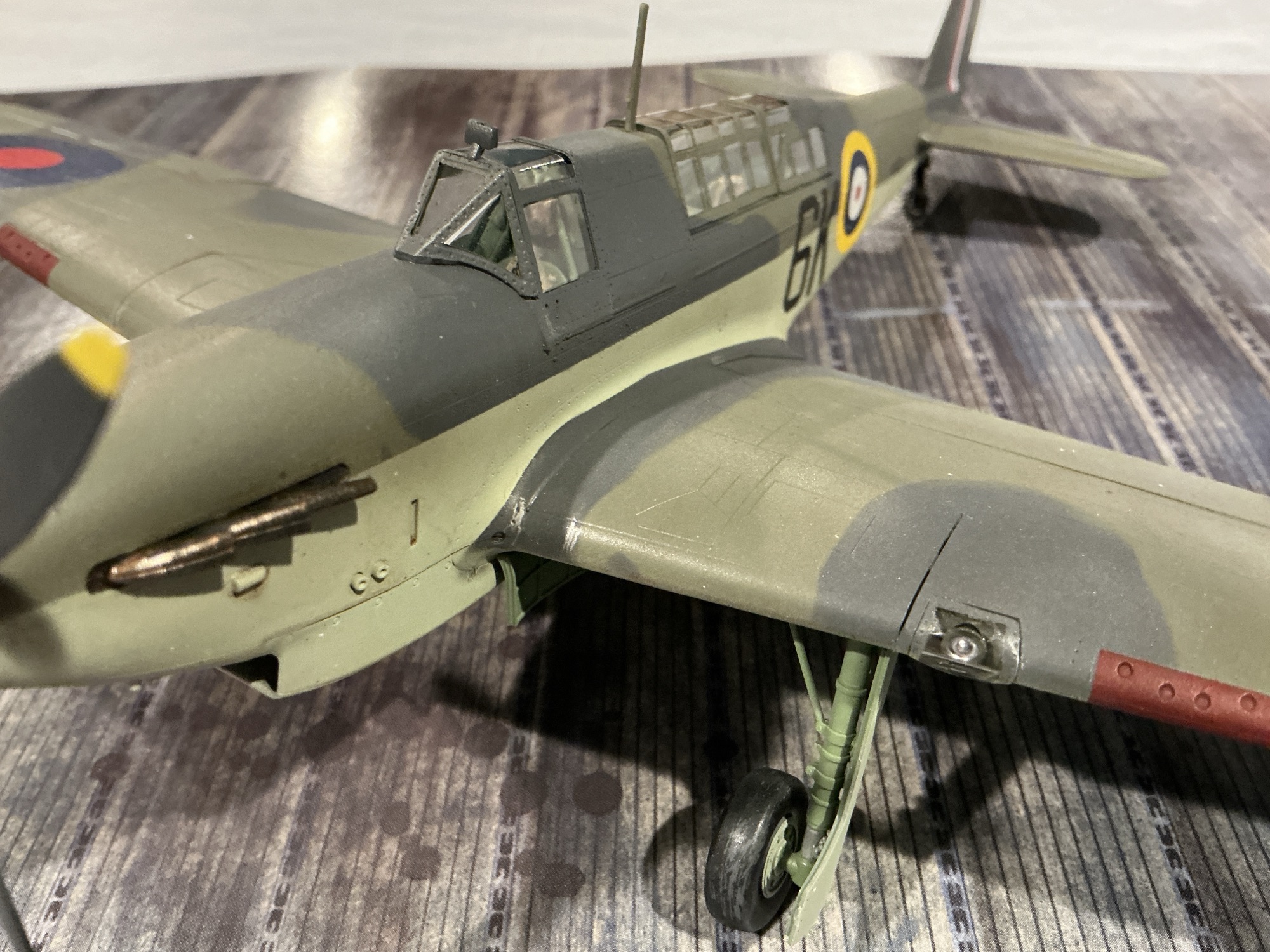
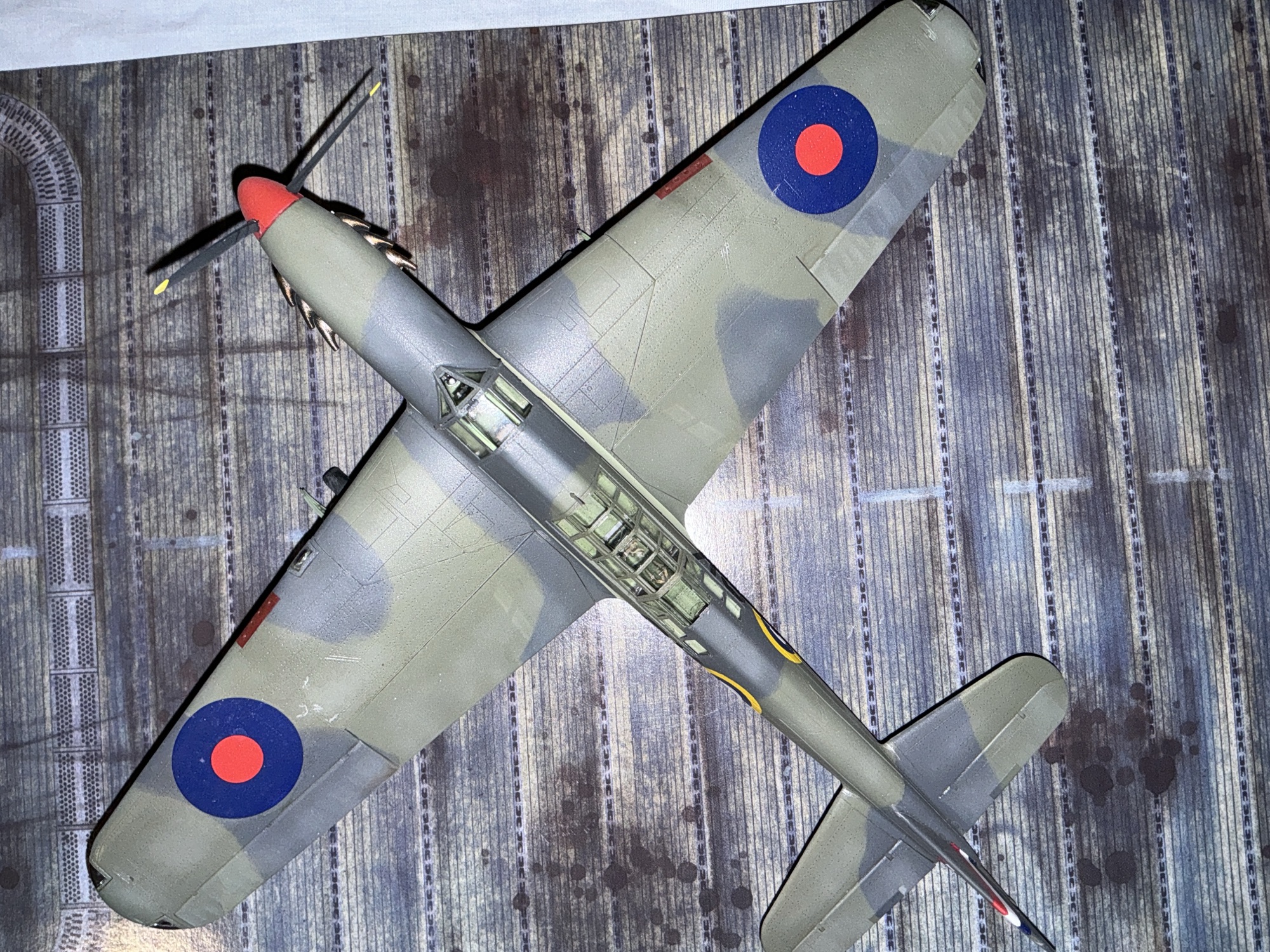
The Fulmar first entered service in July, 1940. The following spring Fulmars from the HMS Victorious were involved in the pursuit of the Bismark. The type’s long range and relative high speed made it useful for keeping tabs on the German battleship. That summer Fulmars were embroiled in Mediterranean naval battles, often performing exactly to their design function. They could maintain fairly long-term CAP, and chase down whatever bombers the Italians sent their way. They also found use on North Atlantic operations, providing fighter cover for convoys on the Murmansk run.
In April 1942 two squadrons of Fulmars formed the core of air defenses for British Naval assets in Ceylon. In air battles against the Japanese carrier forces, escorted by Zero fighters, they claimed four Vals and a Kate against six losses of their own. Obviously fighting Zeros was not a good use of the type. But for months resources were so thin in that theater that Fulmars saw continued service there.
The last major use of the type was as air cover for the Pedestal convoy to resupply Malta. From there, the Royal Navy was able to use more dedicated fighters as fighters, although the Fulmar was not completely withdrawn until February, 1945. All told, Fulmars scored 112 kills for 40 lost. Wikipedia plainly states that most FAA aces of the War scored at least some of their kills in Fulmars.
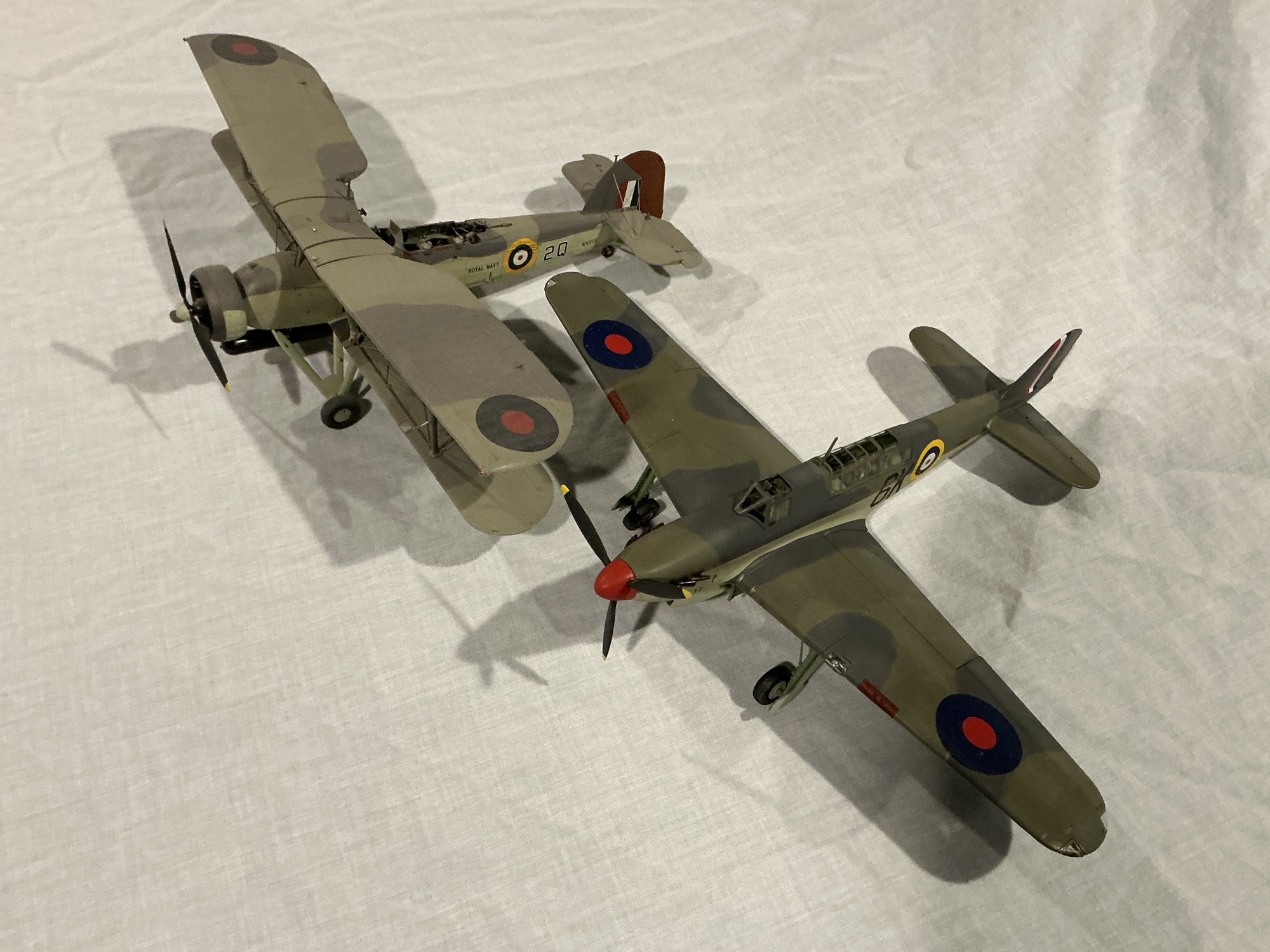
All told, the Fulmar was a multi-role aircraft that could serve as a fighter if it had to. It was generally liked for its flight characteristics, especially as a carrier aircraft; long range, ruggedness and dependability. 600 were built, making it a significant if not quite key combat aircraft.
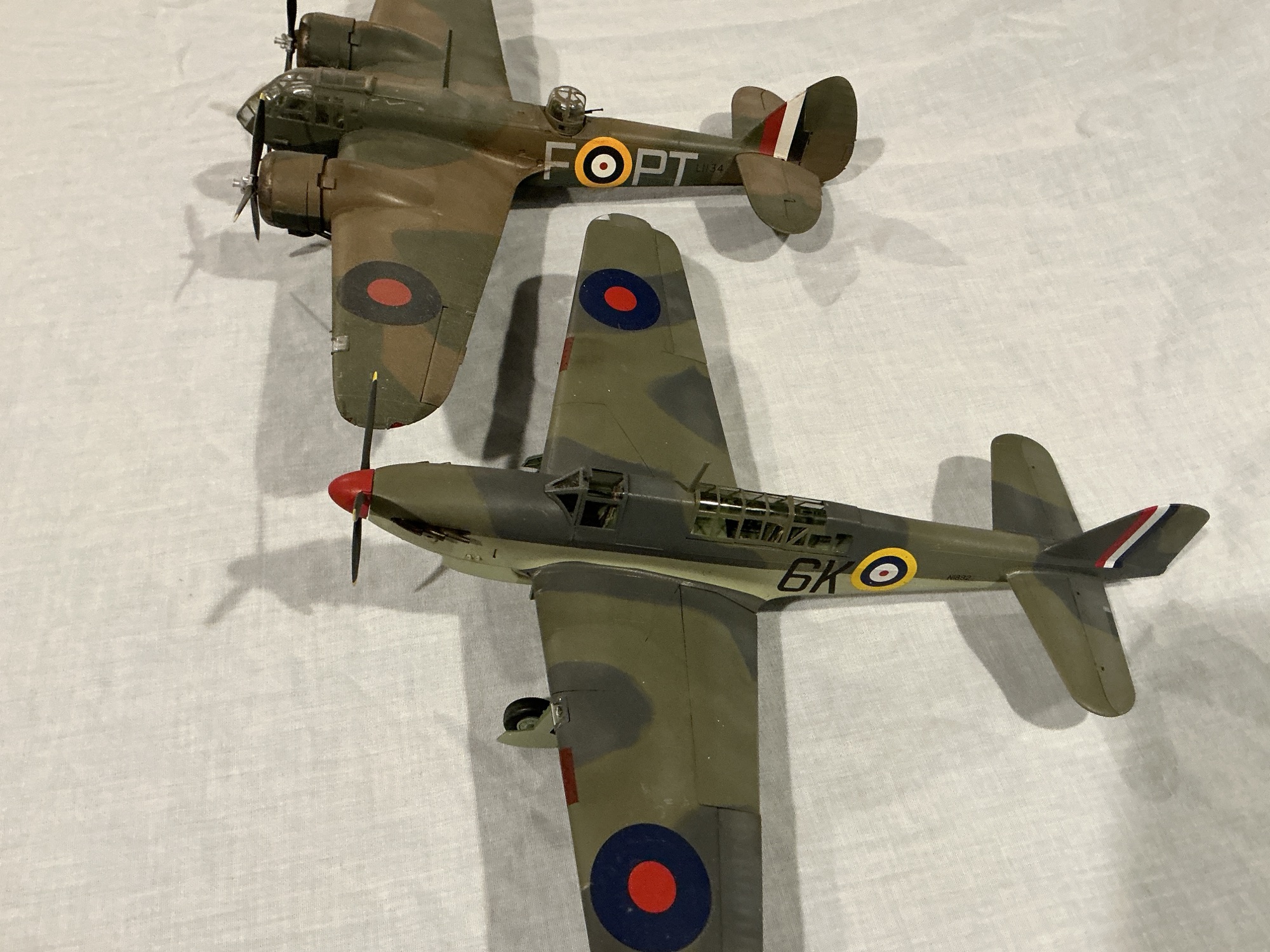
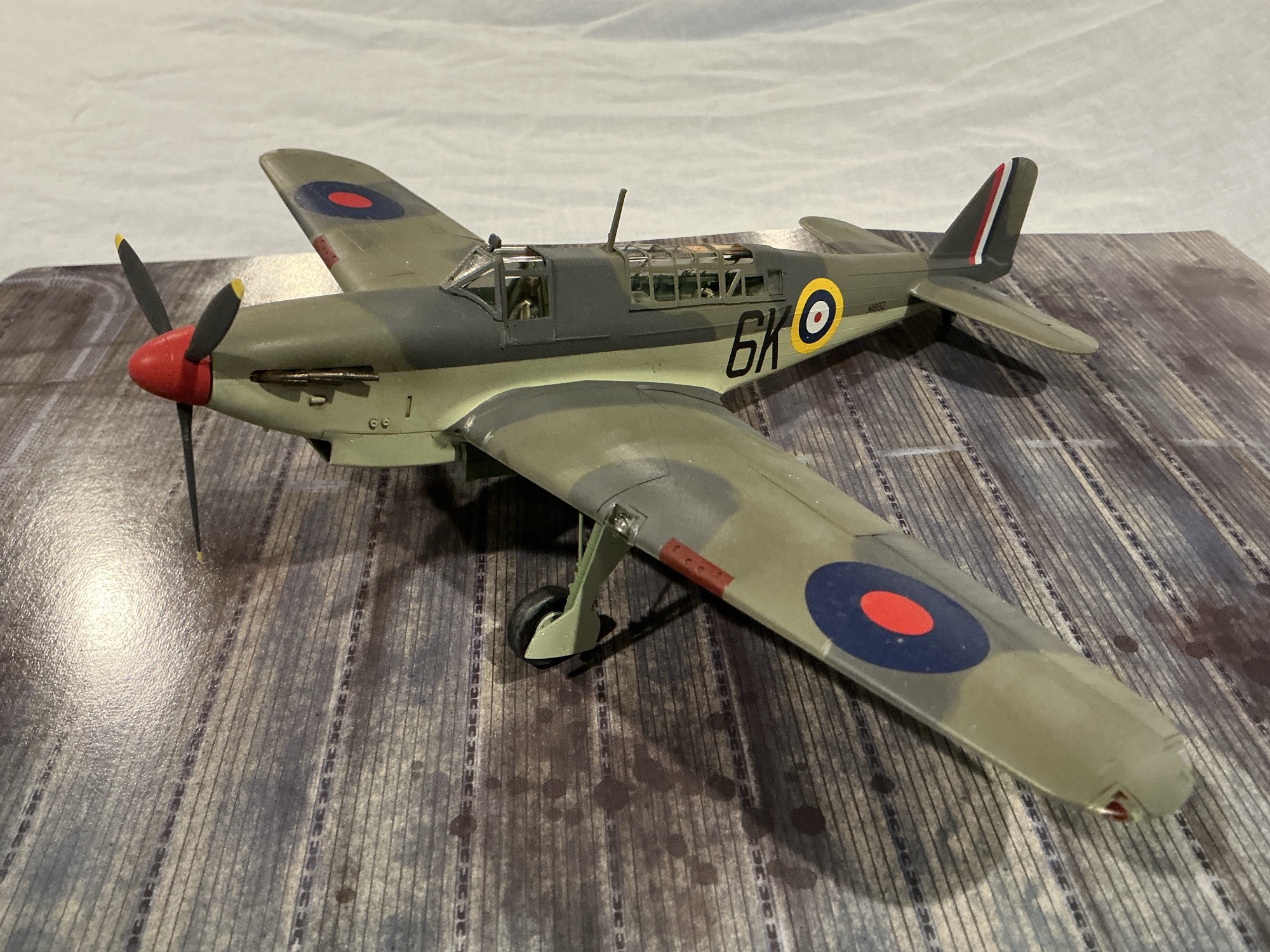
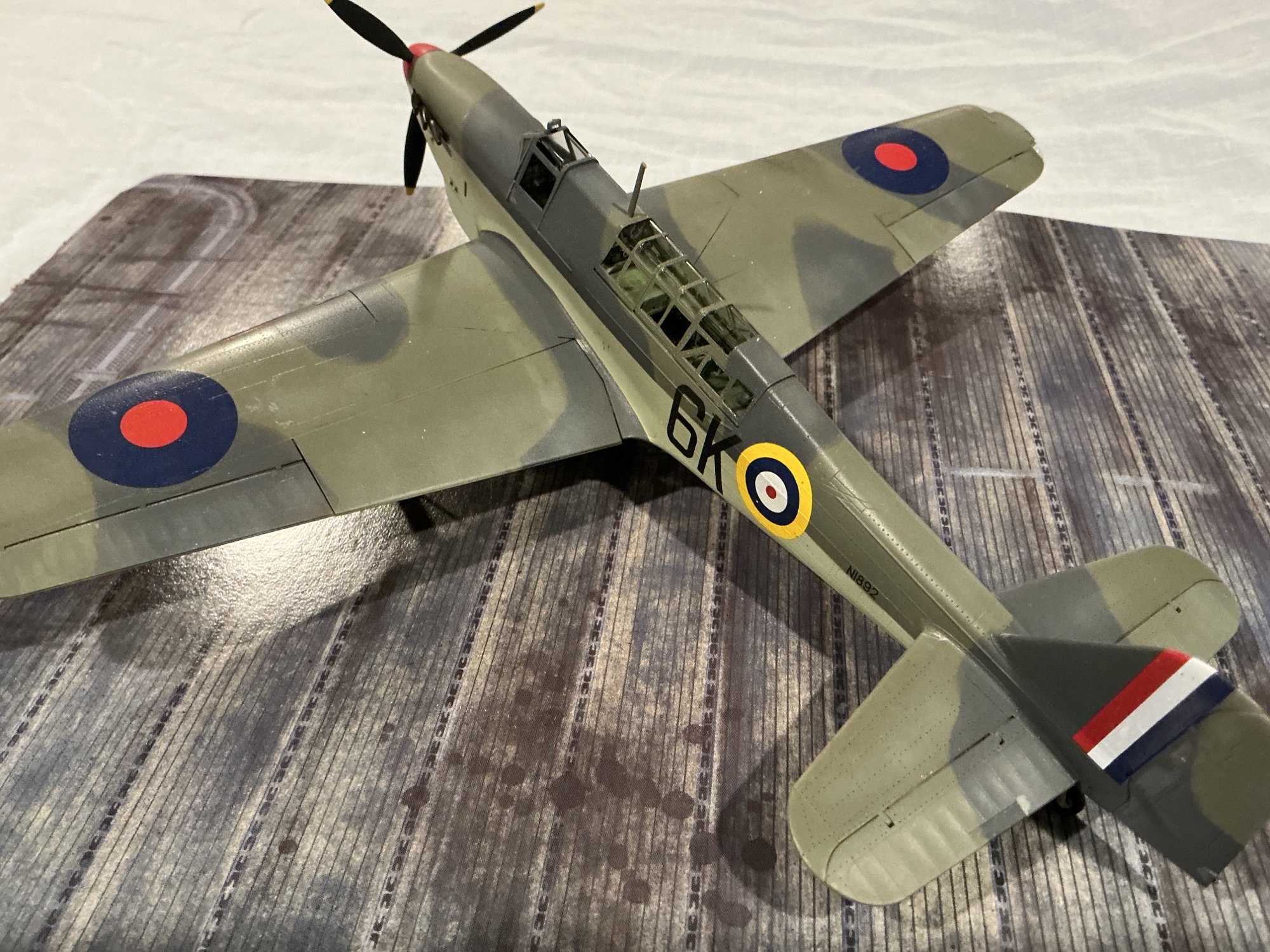
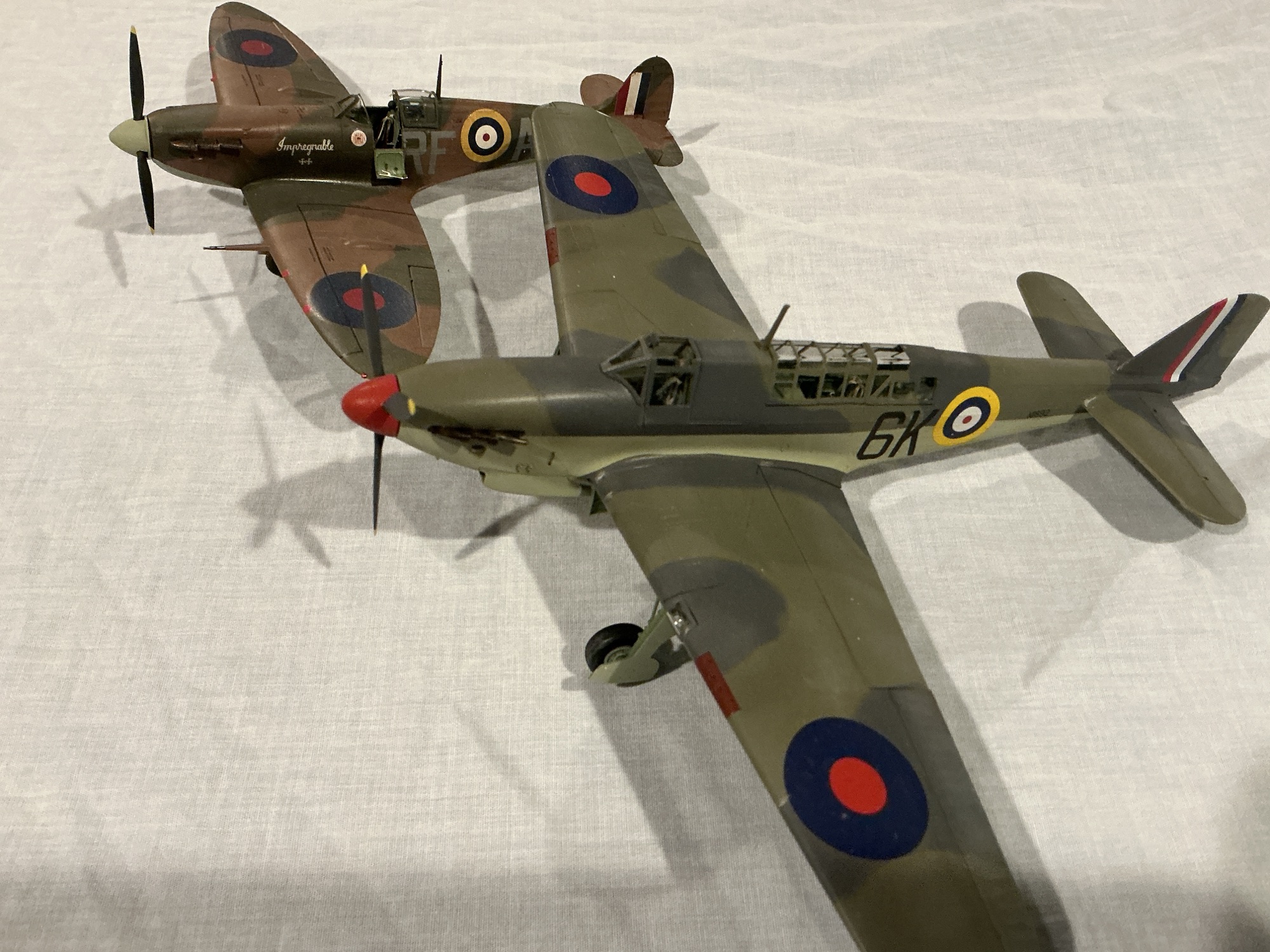
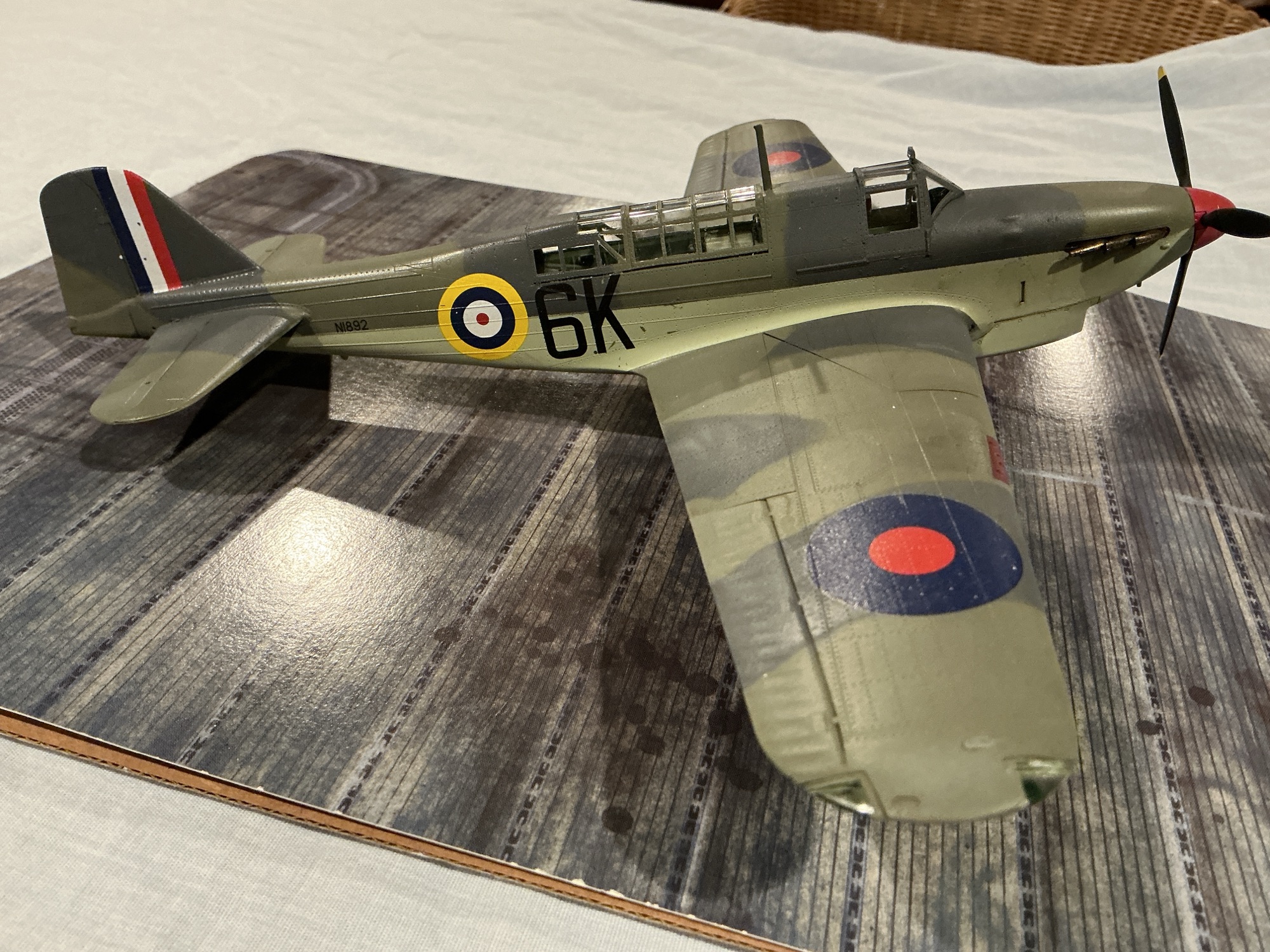
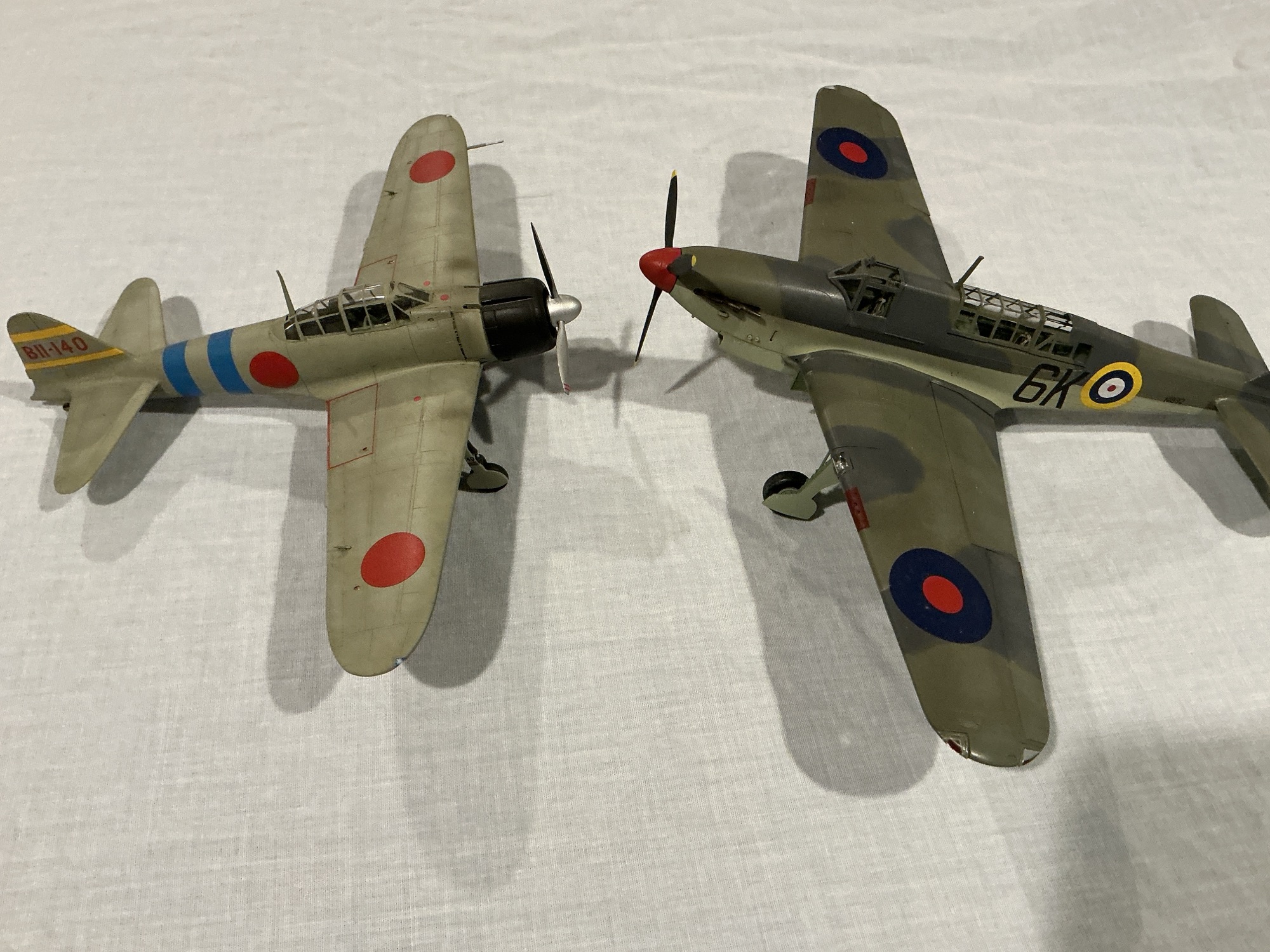
This is the Trumpeter kit. The decals are from the old MPM kit, for an aircraft attached to the HMS Victorious through the Bismark operation.


 Plane Dave
Welcome back Plane Dave.
it has been a little bit! I hope to have a Mustang up this weekend.
Any frustration about building this model kit?
No not really. If you’re familiar with Trumpeter there’s no surprises here. They don’t include color call outs at all anymore, so extra research may be needed.
Nice one Dave! I think it was a model of the Ark Royal that I built as a kid that had Fulmars as part of their inventory. I imagine life was somewhat safer for them in the Atlantic. Up against a Zero or even an Oscar was probably perilous.
yeah I think that’s exactly right. I didn’t mention, unlike most 2 man types, the back seater had no gun! It had to fly as a pure fighter, even when it was not suited to it.
Great job!
thank you!